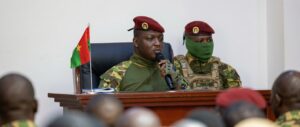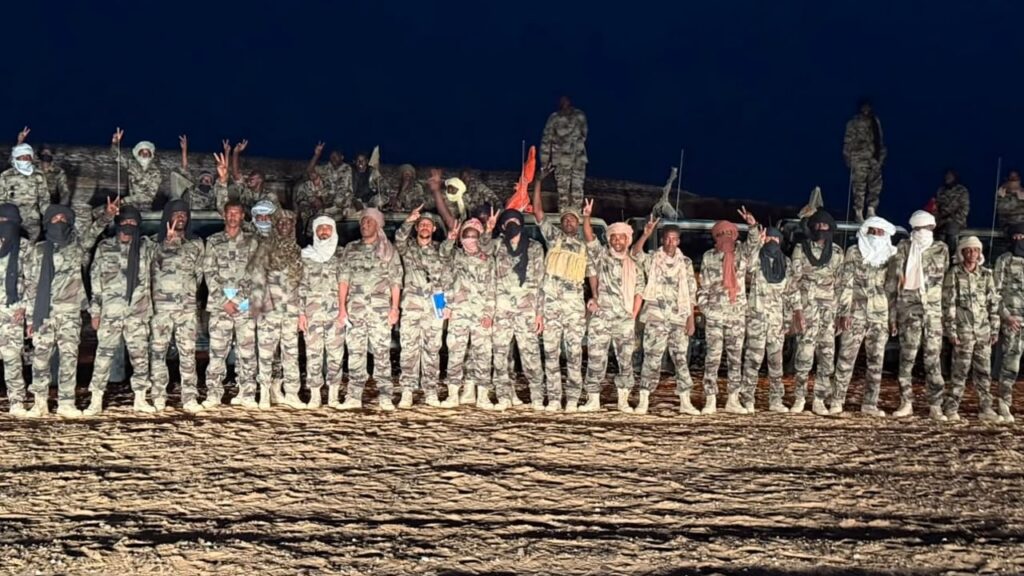
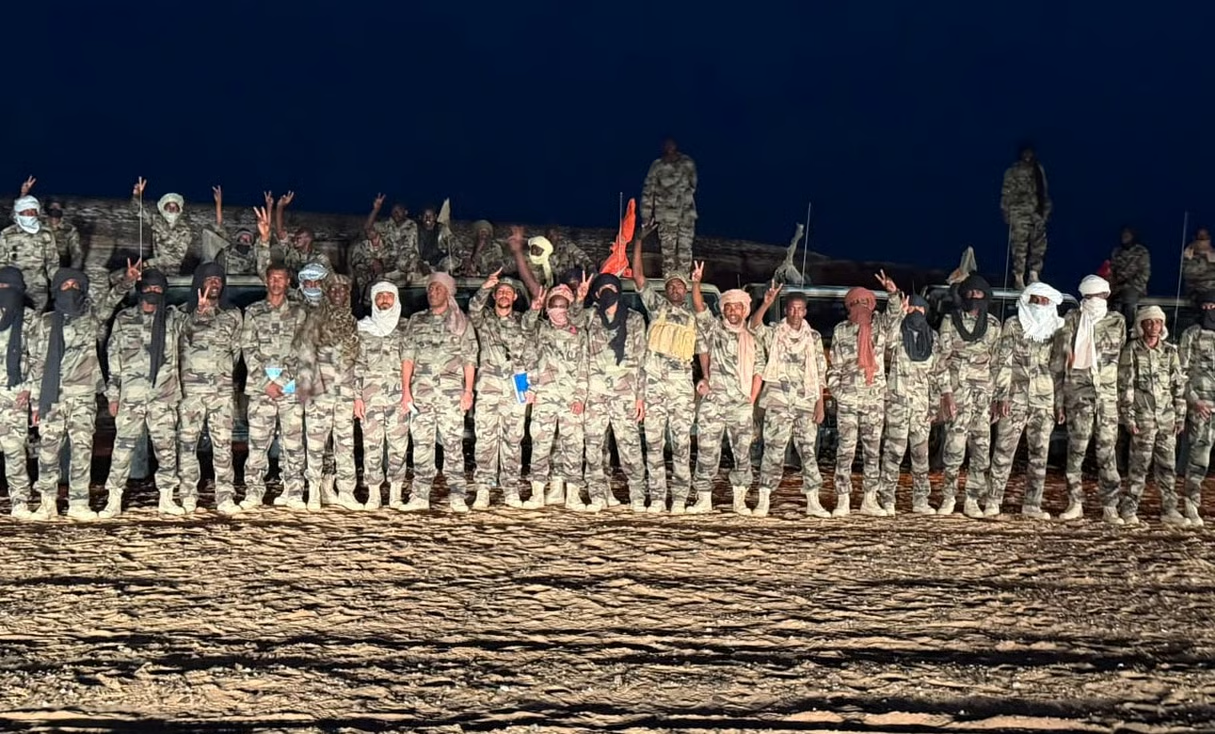
The release of Mahmoud Salah, a prominent rebel figure in Niger, has reignited hostilities as the Front de Libération du Peuple (FPL) resumes its armed struggle against the transitional government led by Abdourahamane Tiani.
After months of relative calm in the northern regions of Niger, tensions have escalated following Salah’s unexpected release from detention. The move has been met with both relief and condemnation across the country, as analysts warn of a potential escalation in violence.
The FPL’s resurgence and its implications
The FPL, a militant group operating in Niger’s volatile Sahel region, had largely remained dormant since the military takeover in 2023. However, Salah’s freedom has seemingly emboldened the group, which has issued fresh threats against the transitional authorities.
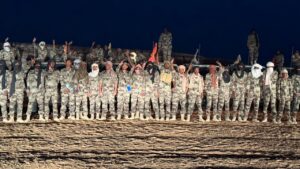
Local sources report that FPL fighters have regrouped in remote areas, preparing for what they describe as a “justified rebellion” against what they call an illegitimate regime. The group’s rhetoric has intensified, with calls for the resignation of Abdourahamane Tiani and a return to civilian rule.
Government response and security concerns
In response to the FPL’s renewed activity, Niger’s transitional government has deployed additional security forces to the northern territories. Military spokesperson Colonel Ibrahim Yacouba confirmed that operations are underway to dismantle the rebel network and restore stability.
“We are taking all necessary measures to neutralize threats and protect our citizens,” Yacouba stated. “The government remains committed to dialogue, but we will not tolerate any attempt to destabilize the nation.”
The resurgence of the FPL comes at a critical juncture for Niger, which has been grappling with political uncertainty and a fragile security situation. International observers are closely monitoring the developments, fearing a potential spillover of violence into neighboring countries.
Public reaction and regional stability
Nigeriens are divided over the government’s decision to release Mahmoud Salah. While some believe it could pave the way for peace talks, others see it as a dangerous gamble that could further destabilize the region.
In the capital Niamey, residents express mixed feelings. “If this leads to dialogue, it might be a step forward,” said a local merchant. “But if it sparks more violence, we will all suffer.”
The situation remains fluid, with both sides digging in their heels. As the FPL reasserts its presence, the coming weeks will be crucial in determining whether Niger can avoid another cycle of conflict.