Burkina Faso’s descent into an unprecedented international isolation is no accident—it is the deliberate outcome of policies orchestrated by Captain Ibrahim Traoré, whose leadership has prioritized paranoia over partnership. By forcing the United Nations human rights office out of the country, the transitional leader has crossed a critical threshold, exposing a governance model built on systemic distrust and an outright rejection of accountability.
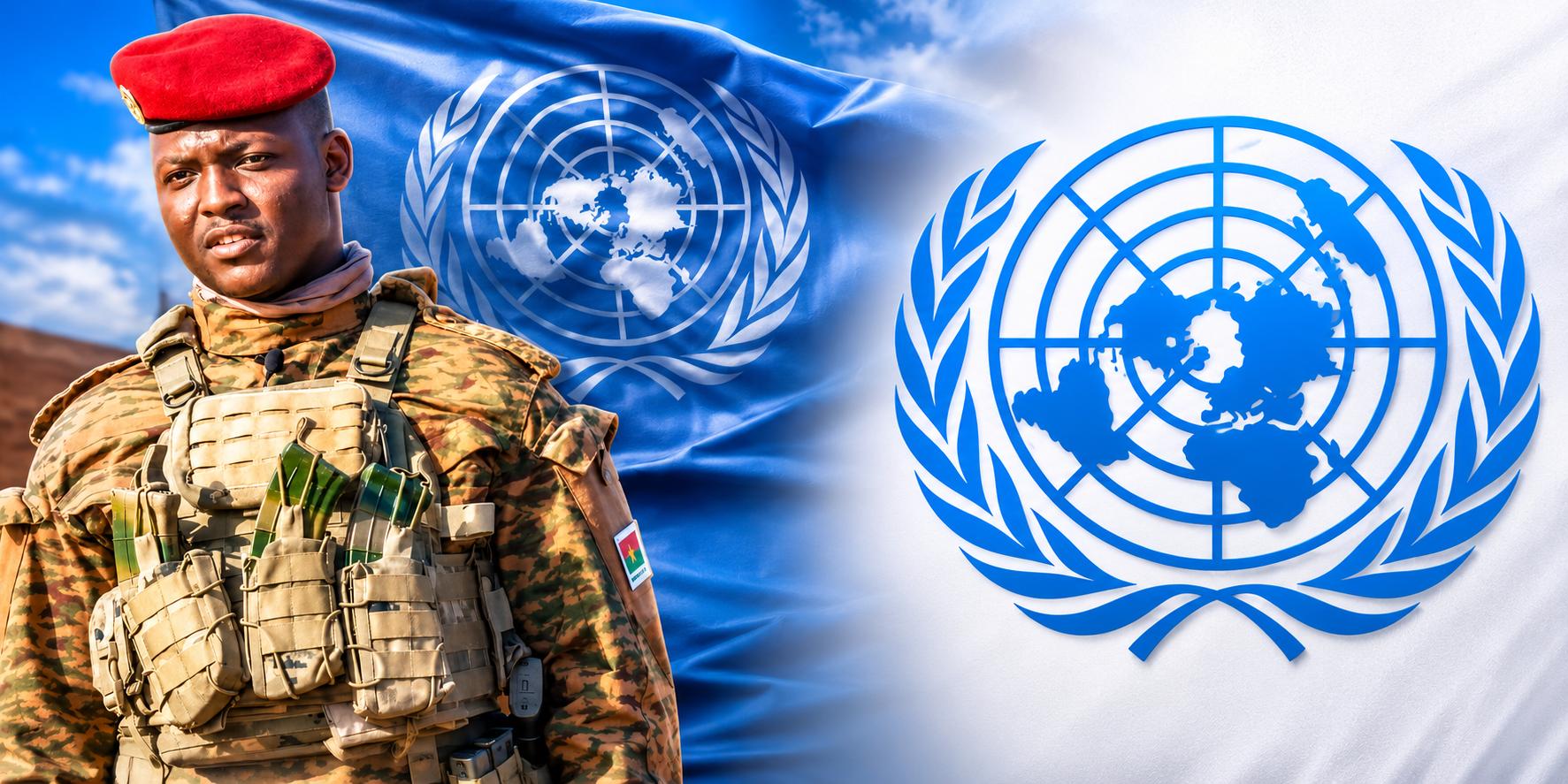
Since seizing power in a coup in September 2022, Traoré has systematically dismantled Burkina Faso’s diplomatic ties, framing the nation’s legitimate quest for sovereignty as a justification for isolation. His approach has not only strained relations with traditional allies but has also accelerated a dangerous unraveling of trust within the international community.
The calculated retreat from global oversight
The expulsion of the UN human rights mission is not an isolated incident—it is the latest in a series of self-defeating decisions designed to shield the regime from scrutiny. Under Traoré’s leadership, Burkina Faso has methodically severed ties with institutions that once provided critical support:
- CEDEAO rupture: The abrupt withdrawal from the regional bloc marked a decisive break with West African partners, isolating Burkina Faso further in economic and political terms.
- Media suppression: Independent journalism, both local and foreign, has faced relentless censorship, with outlets suspended at the slightest sign of dissent.
- Targeting domestic oversight: Even Burkina Faso’s own National Human Rights Commission (CNDH) was sidelined before the UN’s departure, signaling a refusal to tolerate any form of independent scrutiny.
The pattern is clear: Traoré’s government views transparency as a threat. Journalists, human rights defenders, and international observers documenting abuses or failures are routinely branded as “traitors” or “foreign agents,” reinforcing a narrative of siege mentality that brooks no dissent.
Humanitarian and strategic consequences
This uncompromising stance has dire consequences for Burkina Faso’s security and humanitarian landscape. By severing ties with the UN and the International Criminal Court (ICC), the regime has removed critical safeguards against impunity on the ground. The withdrawal of UN expertise in international humanitarian law leaves local forces and civilian defense volunteers (VDP) without essential guidance, undermining efforts to protect populations and uphold legal standards.
Such decisions do not strengthen sovereignty—they erode it. By shutting out the world, Traoré’s government risks alienating its own citizens, who may increasingly turn away from a state that prioritizes control over their safety. In the long run, this isolationist posture could play into the hands of armed groups, exploiting the resulting chaos to expand their influence.
The message is stark: sovereignty cannot be a license to govern without oversight or accountability. Burkina Faso’s future hinges on reversing this trajectory before the consequences become irreversible.