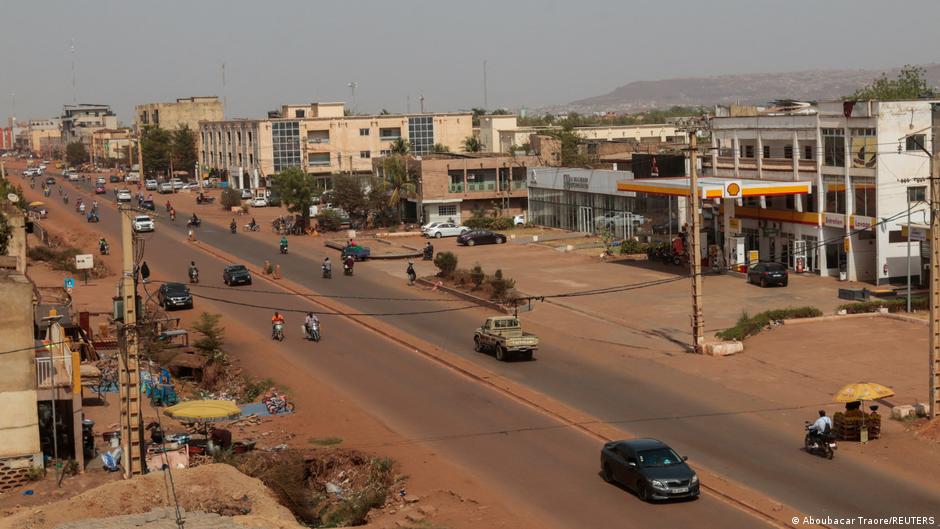
As jihadist factions intensify their stranglehold on critical supply routes, civilians in Mali face mounting hardships following weeks of coordinated attacks by the JNIM and allied groups. The capital, Bamako, now endures a suffocating blockade that has severed essential roads, leaving communities isolated and vulnerable to severe food and medical shortages.
The situation has drawn sharp condemnation from Amnesty International, which has issued a stern warning to armed factions to halt violations of international humanitarian law. In a recent statement, the organization highlighted the plight of civilians caught in the crossfire, particularly after a deliberate attack on a civilian cargo convoy traveling between Bamako and Bougouni on May 6. The convoy, transporting goods such as fresh produce, was reportedly unescorted and devoid of any military personnel or equipment, yet was still targeted.
“The ongoing blockade of Bamako is inflicting unacceptable suffering on civilians, threatening their fundamental rights to food, health, and safety,” warned Amnesty International. “All armed groups must immediately cease attacks on non-combatants and restore freedom of movement.”
escalating violence in northern and central Mali
Meanwhile, the Malian Armed Forces have vowed to escalate airstrikes targeting positions in Kidal, a city now under the control of the FLA and its jihadist allies since late April. Military officials confirmed conducting multiple strikes on the city, while rebel factions claim to be holding 200 Malian soldiers captive following clashes on April 25.
Residents of Kidal report worsening conditions, including intermittent power cuts and disrupted telecommunications with the outside world. In Gao, another key city under government control, locals describe a climate of deep suspicion, with government communications being the only trusted source of information. The economic toll is also severe: food prices have surged, with onions doubling in cost over recent weeks.
According to Hervé Lankoandé Wendyam, an independent analyst specializing in West African security dynamics, the crisis reflects a deliberate strategy by jihadist groups to escalate conflict and possibly sever the northern regions from the rest of the country. “What we’re seeing in central Mali goes beyond sporadic violence—it signals a calculated effort by the JNIM to escalate hostilities by seizing urban areas,” he explained.
deteriorating conditions in central Mali’s embattled zones
Reports from the ground reveal that jihadist forces have extended their influence across vast stretches of central Mali. Key areas along the left bank of the Niger River in the Ségou and Koulikoro regions are now under de facto jihadist administration, where state authorities are conspicuously absent. In these zones, extremist groups enforce zakat (religious tax) collection from local populations and have shuttered hundreds of schools, exacerbating an already dire humanitarian crisis.
Education remains one of the hardest-hit sectors, with over 2,300 schools closed nationwide as of January. The brunt of this disruption is felt in the north and central regions, where communities are trapped between the demands of armed groups and the absence of government services.
Analysts suggest both the Malian military and jihadist factions are in a phase of strategic reassessment and rearmament. Abdoulaye Sounaye, a researcher focused on Sahelian jihadist movements, noted, “It appears the government and military leadership are preparing for a decisive response, while the JNIM and FLA are also bracing for renewed hostilities. At the heart of this standoff are the civilians, who continue to bear the brunt of violence from all sides.”
Ahmed Ould Abdallah, of the 4S Center, emphasized the urgent need for inclusive dialogue to resolve the crisis. “The current conflict is not just a security issue—it’s a political one. The Malian government must engage with all national stakeholders to chart a path forward through negotiation and compromise. Without openness to dialogue, the country risks an endless cycle of confrontation.”
Sounaye echoed this sentiment, predicting that a negotiated settlement remains the only viable path forward despite the government’s official stance rejecting talks with groups it labels as terrorists. “Ultimately, all parties will need to come to the table. The alternative is continued suffering for the Malian people.”
Despite the government’s refusal to engage directly with the FLA and JNIM, reports indicate that behind-the-scenes negotiations have occurred to secure fuel supplies, highlighting the paradoxical reality of engagement in a conflict officially deemed unwinnable through dialogue.