Human rights groups urge jihadists to lift blockade in Mali
A leading human rights organization has called on armed groups in Mali to immediately end their blockade of Bamako and restore freedom of movement for civilians. The call comes as the country faces escalating violence in its central and northern regions, with severe humanitarian consequences.
Humanitarian crisis deepens as Bamako faces prolonged blockade
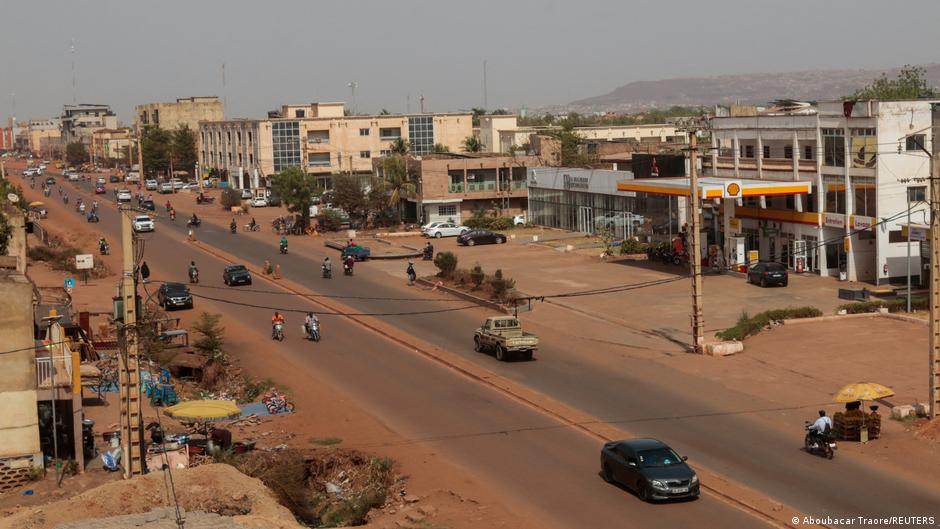
Civilian lives in Mali’s capital Bamako are increasingly under threat from a two-week blockade imposed by jihadist forces. The Group for the Support of Islam and Muslims (JNIM) has cut off critical supply routes, disrupting daily life and triggering shortages of essential goods.
“This blockade is causing unacceptable hardships for civilians, threatening their access to food, healthcare, and safety,” a spokesperson for the human rights organization stated. The group condemned recent attacks on civilian convoys, including one on May 6 where trucks carrying fruits between Bamako and Bougouni were targeted. No military personnel or equipment were involved in this attack.
International humanitarian law demands the protection of civilians during conflicts, yet these recent events reveal a stark disregard for such principles.
Military escalation in northern Mali
Meanwhile, the Malian army has announced intensified strikes on Kidal, a city under the control of Tuareg separatists and their jihadist allies since late April. The army claims to have conducted multiple airstrikes on the city, while separatist forces report holding 200 Malian soldiers captive since April 25 attacks.
Residents in Kidal describe a dire situation, with electricity cuts and disrupted telecommunications making communication with other cities nearly impossible. Trust among locals is eroding as conflicting narratives dominate the discourse.
In Gao, another northern city under government control, residents report rising food prices and heightened suspicion. “We are told to rely solely on government statements,” said one resident, highlighting the growing distrust in local authorities.
Unrest spreads to central Mali
Analysts warn that the situation in central Mali is deteriorating rapidly. Jihadist groups have established control over large areas along the Niger River in the Ségou and Koulikoro regions. Schools remain closed, and local administrations are absent in these areas, where jihadists enforce taxes and disrupt education.
The closure of over 2,300 schools—primarily in northern and central Mali—has left countless children without access to education. “Both the government and the military are preparing for a major confrontation,” noted Abdoulaye Sounaye, a researcher specializing in jihadist groups in the Sahel. “The JNIM and FLA are also reorganizing and rearming, leaving civilians caught in the crossfire.”
Experts emphasize that resolving the crisis requires inclusive dialogue with all stakeholders. “The government must engage with national elites and political figures to address the root causes of the conflict,” stated Ahmed Ould Abdallah from the 4S Center. “A political solution is the only way to prevent endless cycles of violence.”
Despite the government’s official stance against negotiating with groups labeled as terrorists, secret talks have occurred to secure fuel supplies. The ongoing violence underscores the urgent need for a sustainable resolution.
Path forward: dialogue or escalation?
As the humanitarian toll rises, voices from within and outside Mali are calling for urgent action. “The crisis is deepening across social groups,” warned Abdoulaye Sounaye. “The Malian government must take the lead in fostering dialogue and finding a negotiated settlement.”
While the path to peace remains uncertain, one thing is clear: the blockade, violence, and humanitarian suffering must end. The people of Mali deserve stability and security, and it is the responsibility of all parties involved to make it a reality.