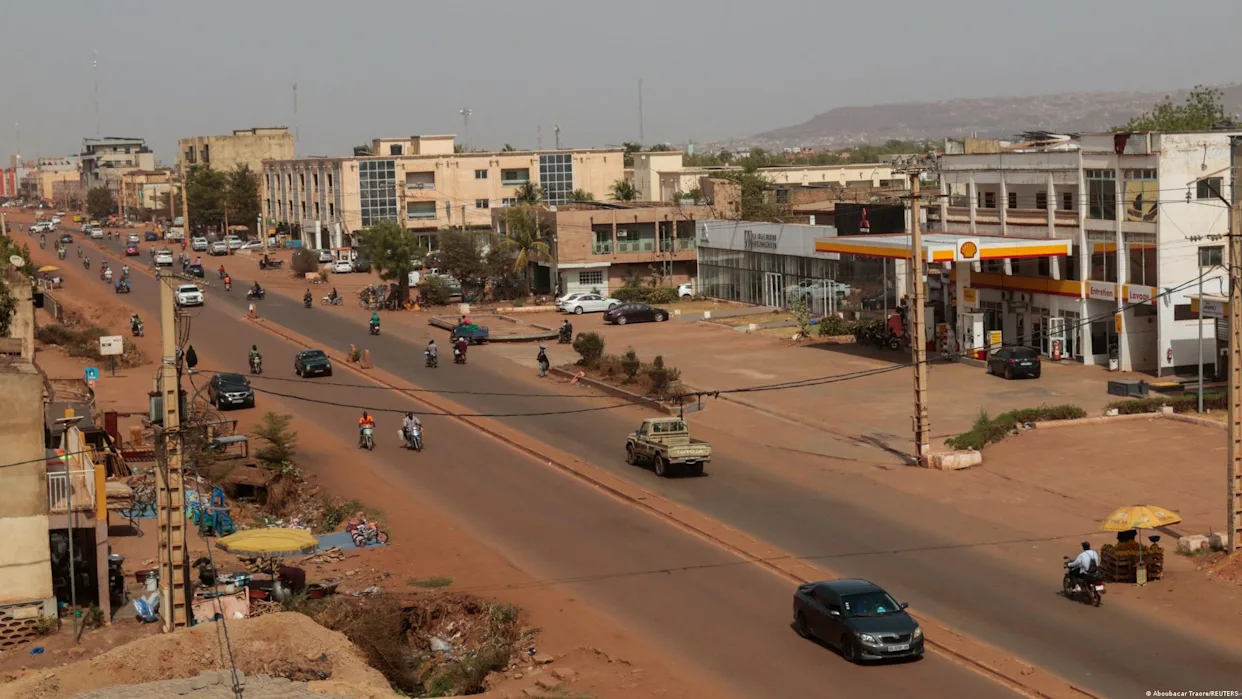
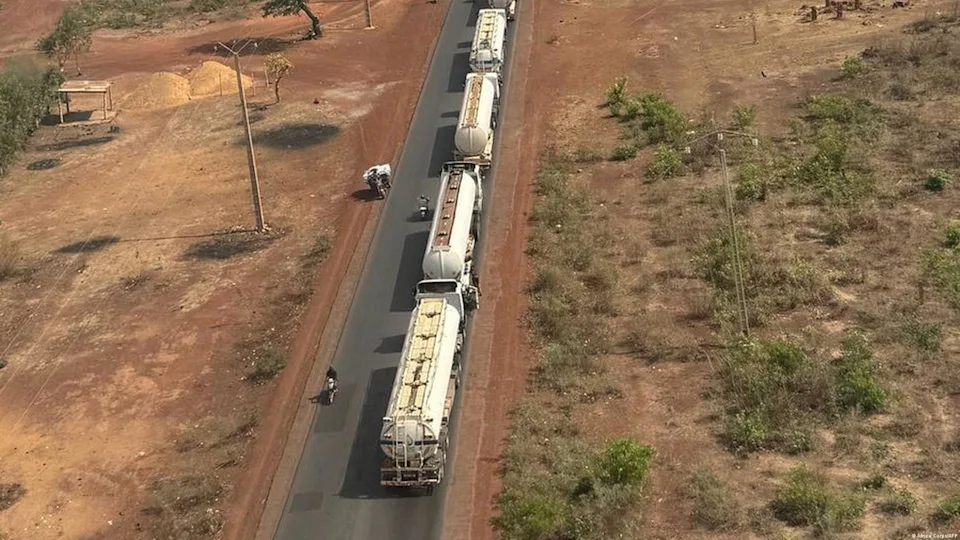
On May 15, 2026, Amnesty International issued an urgent appeal to the JNIM, demanding that the group respect the safety and freedom of movement of civilians in Mali. For over two weeks, the capital city of Bamako has been subjected to a rigorous road blockade that has severely restricted the flow of essential goods. This siege, which began on April 30, targets the primary arteries connecting the landlocked capital to the rest of the country and international trade routes.
The human rights organization warned that the current isolation of Bamako is creating an unsustainable environment. This tactic directly threatens the population’s access to food and medical care, posing a significant risk to the fundamental right to life for thousands of residents.
Amnesty International has called for strict adherence to international humanitarian law, citing a specific incident on May 6. During this event, a convoy of trucks carrying civilian merchandise, including fruit, was attacked while traveling between Bamako and Bougouni in the south. The organization noted that these vehicles were strictly commercial, carrying no military personnel or equipment and operating without an army escort.
Military operations intensify in the north
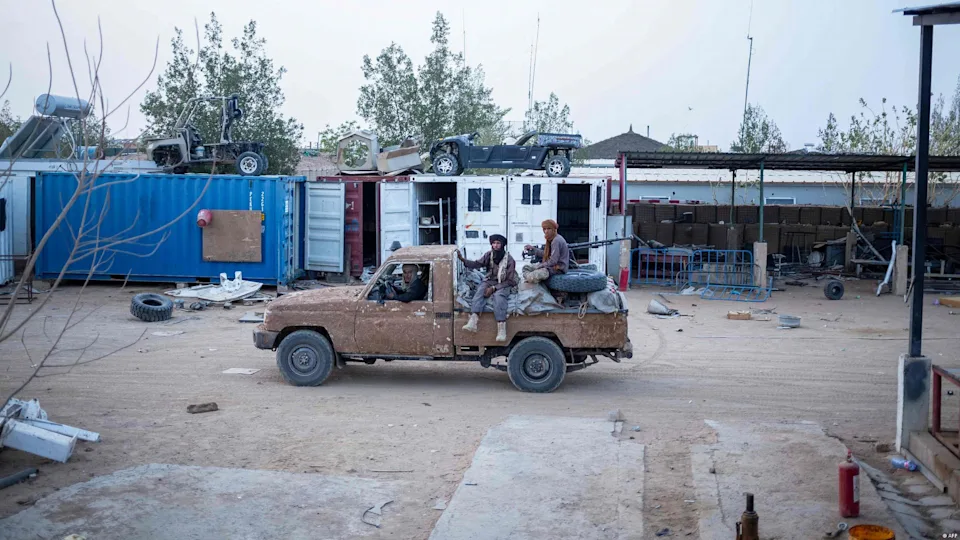
Simultaneously, the Malian army has signaled a significant increase in aerial strikes targeting Kidal. The city has been under the control of the Front de libération de l’Azawad (FLA) and their JNIM allies since the end of April. While the national armed forces claim to have successfully hit several targets, the FLA separatists assert they are holding approximately 200 Malian soldiers who were captured during the intense fighting on April 25.
The situation on the ground in Kidal is deteriorating rapidly. Residents report frequent power outages and nearly impossible telecommunications. This isolation has created a climate of uncertainty, leaving the local population struggling to find reliable information amidst conflicting accounts from various factions.
Economic strain and regional instability
In Gao, a city still under government administration, a pervasive atmosphere of distrust prevails. Residents are encouraged to follow only official government directives, yet they face the harsh reality of skyrocketing inflation. The price of basic staples, such as onions, has doubled in recent days, reflecting the broader economic impact of the regional insecurity.
Analysts observe that the JNIM appears to be shifting its strategy, attempting to sever the northern regions from the rest of Mali while escalating the conflict by targeting major urban centers. In central Mali, particularly on the left bank of the Niger River in the Ségou region and parts of Koulikoro, the state administration is largely absent.
In these jihadist-controlled zones, the group enforces the collection of zakat, a local tax, across hundreds of villages. The impact on education is equally devastating. Reports indicate that more than 2,300 schools have been forced to close throughout Mali, with the northern and central regions bearing the brunt of these shutdowns.
The debate over political dialogue
The current military standoff suggests that both the Malian army and the insurgent groups are in a phase of strategic reorganization. While the government is preparing for further military action to reclaim lost territory, experts warn that the civilian population remains trapped between the warring parties, suffering continued abuses.
Some observers argue that a lasting resolution to the security crisis in northern and central Mali requires a comprehensive political dialogue involving all stakeholders. They suggest that the government must open channels of communication with all political and social components of the country to move beyond the perpetual cycle of violence.
Although the Malian authorities officially refuse to negotiate with the FLA or JNIM, labeling them as terrorist entities, pragmatic considerations have occasionally forced interactions. Previous discrete negotiations were reportedly held to ensure the delivery of fuel supplies, suggesting that despite the official stance, the necessity of survival may eventually bring the parties to a common table.