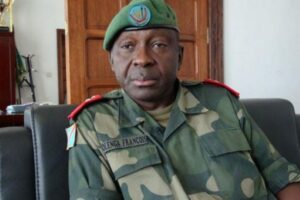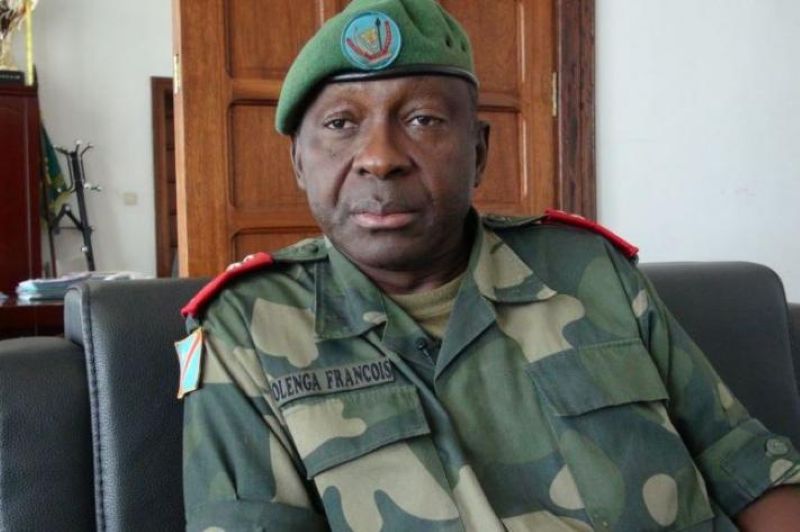
A historic decision by the U.S. Department of the Treasury has lifted sanctions against retired General François Olenga, marking the abrupt end of a decade-long legal and diplomatic showdown. The move, confirmed on September 23, 2026, not only clears the general’s name but also revives his business interests, including the iconic Safari Beach resort in Kinshasa.
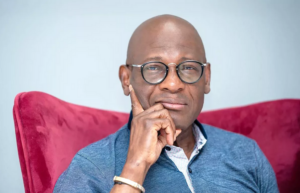
« The Office of Foreign Assets Control (OFAC) has officially removed General François Olenga Tete and Safari Club from America’s sanctions list, » declares his legal counsel, Aimé Kilolo Musamba. The announcement arrives after nine years of relentless advocacy by Olenga’s legal team, which navigated Washington’s labyrinthine sanctions regime to secure this landmark ruling.
From Washington’s blacklist to diplomatic victory
In June 2017, General Olenga was sanctioned for alleged transgressions—chiefly, obstructing Democratic Republic of Congo’s (DRC) electoral process under former President Joseph Kabila. The U.S. Treasury accused his Republican Guard of « harassing political opponents, carrying out arbitrary arrests, and undermining UN observers. » The penalties froze his U.S.-based assets, barred his entry into the country, and crippled his business ventures, particularly Safari Beach, a premier entertainment venue near N’sele.
Now, with the sanctions lifted, Olenga gains full access to U.S. financial systems and travel privileges. But beyond the personal vindication lies a broader lesson, argues Kilolo Musamba: « The DRC must stop outsourcing justice to foreign powers. »
Why sovereignty hinges on self-reliance in sanctions enforcement
Kilolo Musamba contends that the DRC’s reliance on the U.S. and EU to impose sanctions has left it vulnerable. « Our nation needs domestic legislation empowering its own institutions to enforce targeted sanctions against war criminals and corrupt actors operating on Congolese soil. Sovereignty isn’t just political—it’s the capacity to defend citizens and national interests without begging for external intervention. »
The lawyer, who successfully defended Olenga’s case, emphasizes that the victory was hard-won: « Nine years of courtroom battles, repeated trips to Washington, and a refusal to accept unjust accusations. » For Africa’s legal community, he adds, the case sets a precedent—proof that strategic perseverance can counter even the most entrenched global powers.
The ripple effects on the DRC’s future
For the DRC, Olenga’s delisting arrives at a critical moment. Amid escalating instability in the eastern provinces—where armed groups thrive and humanitarian crises deepen—Kinshasa faces pressure to assert control over its security landscape. Analysts suggest the sanctions reversal could:
- Unlock frozen assets: Olenga’s potential U.S.-held funds remain untouched since 2017. Experts estimate their value in the millions, which could now flow into the DRC’s economy.
- Revitalize local businesses: Safari Beach, long sidelined due to sanctions, may reopen its doors to international investors, tourists, and diplomatic events.
- Shift geopolitical dynamics: The U.S. decision may signal a recalibration of its stance on Congolese officials tied to controversial presidencies, especially as regional alliances evolve.
The U.S. Treasury’s reversal does not erase the accusations against Olenga. Rather, it underscores the volatility of sanctions as an enforcement tool—one often swayed by geopolitical winds and the financial clout of those fighting them. For the DRC, the case is a clarion call: « True independence begins at home. »
As Kilolo Musamba returns from Brussels, where he coordinated the legal strategy, the message is clear: Africa’s governments must build their own frameworks for accountability—or risk remaining beholden to the sanctions of others.