Public reaction divides: is Gabon betting on the right economic horse?
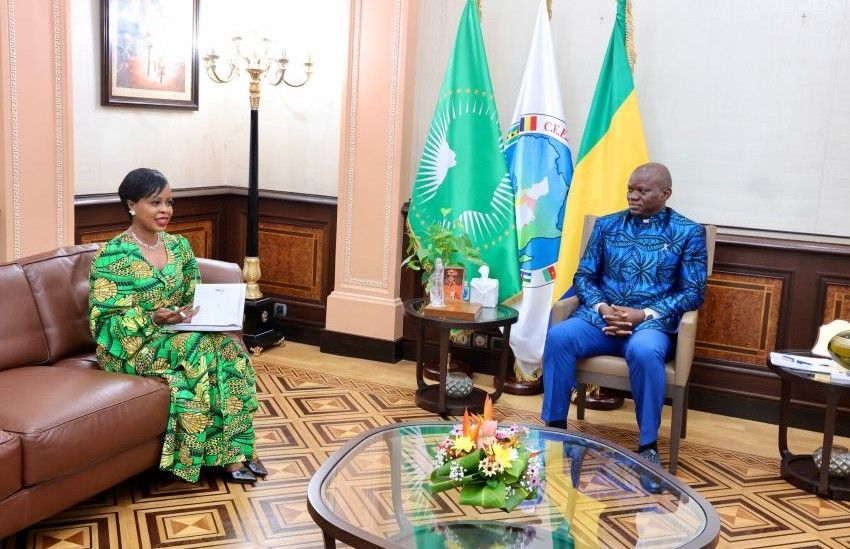
Libreville, October 2026 — Gabon’s latest initiative to prioritize human capital over physical infrastructure is drawing mixed reactions from economists, business leaders, and the public. Last week, President Brice Clotaire Oligui Nguema welcomed the Minister of Commerce, SMEs, and SMIs, Zenaba Gninga Chaning, who unveiled a series of training and professional insertion programs targeting 400 youth in Libreville. While some hail the move as a long-overdue step toward economic diversification, skeptics question whether these measures can translate into tangible employment or sustainable growth.
The announcement comes at a critical juncture for Gabon, a nation traditionally reliant on oil exports. With global energy markets shifting and domestic pressure to reduce unemployment, the government is framing human capital development as the foundation of its economic future. But can skills alone bridge the gap between training and real-world economic impact?
From training centers to job markets: what the critics say
The program’s focus on technical and vocational training reflects a deliberate shift away from traditional academic pathways. Rather than merely awarding diplomas, the initiative aims to equip youth with skills that directly meet the demands of local industries. Supporters argue this approach aligns education with market needs, potentially reducing youth unemployment and fostering entrepreneurship. However, critics highlight systemic challenges that could undermine these efforts:
- Financing bottlenecks: While the government touts its “train, support, and finance” triad, access to startup capital and working funds remains a hurdle for many young entrepreneurs, particularly in rural areas.
- Quality vs. quantity: Past training programs have often produced more certified individuals than job-ready professionals, leaving graduates in the very cycle of underemployment they sought to escape.
- Infrastructure gaps: Even with skilled labor, inadequate industrial or logistical infrastructure may limit opportunities for locally-based enterprises to scale.
Public opinion is equally divided. Some social media users praise the government’s long-term vision, comparing human capital to the “oil of the 21st century.” Others dismiss the initiative as political grandstanding, pointing to previous promises that never materialized into jobs.
Beyond Libreville: testing the program’s scalability
The pilot phase of 400 trainees is just the beginning. The government has signaled plans to expand the program nationwide, from coastal oil hubs like Port-Gentil to agricultural heartlands in rural provinces. This geographic expansion raises its own set of questions:
The choice of sectors for training reflects Gabon’s economic priorities: energy, mining, digital infrastructure, and value-added processing of raw materials. But will the curriculum adapt to local realities? For instance, technical training in oil and gas might shine in Port-Gentil, but how relevant is it for a young farmer in Woleu-Ntem?
The government’s recent emphasis on petroleum and energy training, following a visit to the National Institute of Oil and Gas, underscores this tension. While reducing dependency on foreign expertise is commendable, can local institutions deliver the same quality as international counterparts?
Measuring success: what happens after the training?
The program’s long-term viability hinges not on the number of certificates issued, but on measurable outcomes. Key indicators to watch include:
- Employment rates: How many graduates secure jobs or create their own enterprises?
- Sector growth: To what extent do trained professionals contribute to local value chains, especially in targeted industries?
- Reduction in foreign labor: Will Gabon’s push to “localize” jobs lead to a measurable decrease in reliance on expatriate expertise?
- Revenue generation: How quickly do newly trained entrepreneurs or employees begin contributing to GDP through tax payments or productivity gains?
These metrics will reveal whether the program is a transformative investment or another initiative that fizzles out once the spotlight moves on.
Is this Gabon’s economic turning point?
More than just a skills development initiative, Gabon’s human capital strategy is being positioned as the backbone of future economic sovereignty. The government’s logic is clear: a nation cannot secure lasting prosperity if its citizens lack the tools to build it. Yet history shows that even the most promising policies can falter without robust execution, transparency, and accountability.
The coming months will be pivotal. As the first cohort of 400 graduates enters the job market, the debate will shift from rhetoric to results. Can Gabon turn its human potential into an engine of economic resilience? The answer may well redefine the nation’s place in Central Africa’s evolving economic landscape.