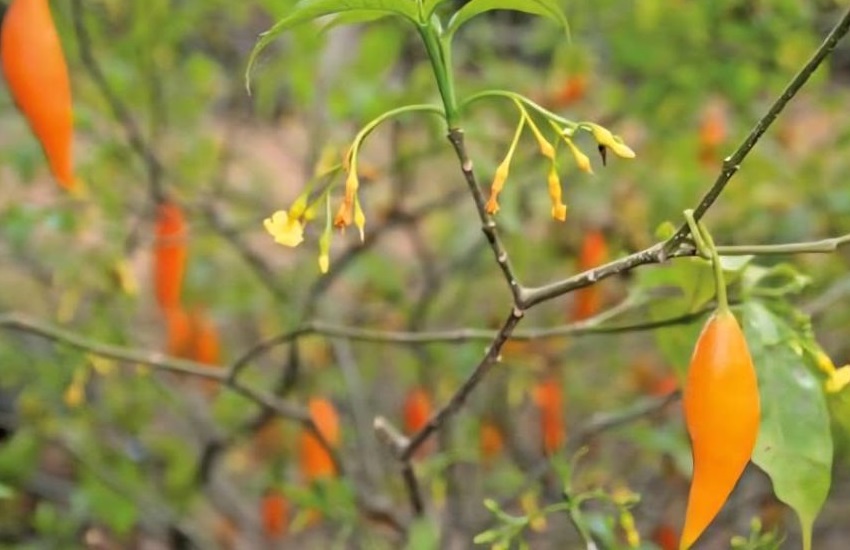
Gabon tightens control over sacred iboga plant for national sovereignty
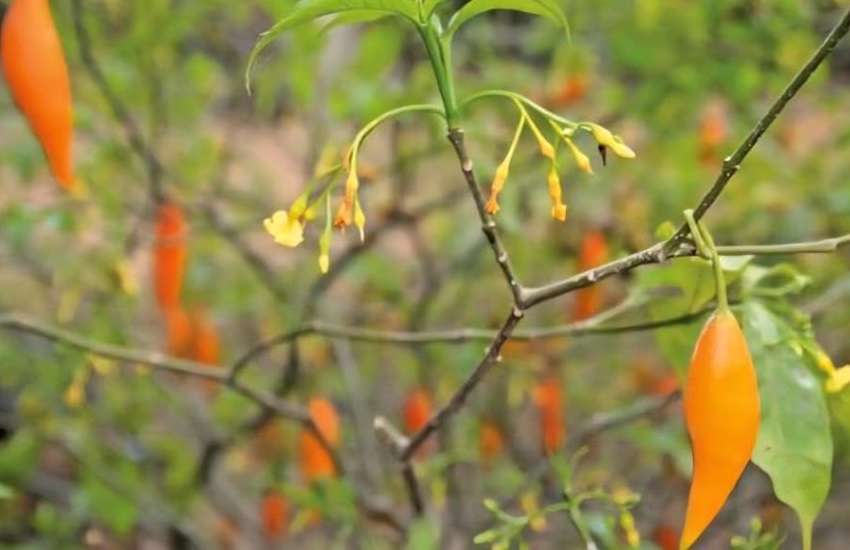
Libreville, June 10, 2026 — Gabon has taken a decisive step to protect its sacred iboga plant by making all activities related to it subject to state authorization. The move marks a significant shift in the country’s approach to safeguarding its biological, cultural, and economic heritage.
Historically revered by Bwiti communities as a spiritual treasure, iboga is now entering a new phase. The decree issued on May 22, 2026, requires prior government approval for any activity involving the plant, its derivatives, or associated traditional knowledge. This decision underscores Gabon’s commitment to asserting sovereignty over a resource increasingly sought after on the global stage.
The new regulation, outlined in decree No. 0239/PR/MJSRCAVA, mandates that all operations—from research and processing to exploitation and commercialization—must receive clearance from the Ministry of Culture, following input from an interministerial technical commission. This applies equally to Gabonese citizens and foreign operators, reflecting the government’s resolve to regain control over a national asset.
Iboga: From sacred plant to global commodity
The international fascination with iboga has surged in recent years, particularly for its potential in treating addictions and psychological disorders. Laboratories in the United States, Europe, and Asia are actively exploring the therapeutic applications of ibogaïne, the plant’s primary alkaloid. This growing demand has raised concerns in Libreville about the uncontrolled exploitation of a cultural emblem deeply rooted in Gabonese identity.
Gabon’s latest move aligns with a broader trend across Africa, where countries are increasingly protecting their genetic resources and traditional knowledge from biopiracy. However, the true test lies in implementation. Iboga is not merely an agricultural product; it is central to spiritual practices deeply embedded in Gabonese society. In the country’s interior regions, where traditions remain strong, the government’s ability to monitor and regulate these activities poses a significant challenge.
Balancing tradition and regulation
While the need for stricter oversight is widely acknowledged, the decree raises critical questions about striking the right balance. Overly rigid enforcement could marginalize the very communities that have preserved iboga for generations, while insufficient regulation risks perpetuating the very exploitation the law seeks to prevent.
By asserting control over iboga, Gabon is not only protecting a national treasure but also sending a clear message about the future of its resources. The country is moving away from being a mere supplier of raw materials, aiming instead to maximize local value and assert its interests in the global market. Whether this ambitious strategy will succeed depends on the delicate equilibrium between preservation and progress.
The time when Gabonese riches were extracted without oversight or compensation is gradually fading. With this decree, Libreville has taken a definitive step toward reclaiming its cultural and economic sovereignty.