Gabon engineers finally speak up at historic seeg meeting
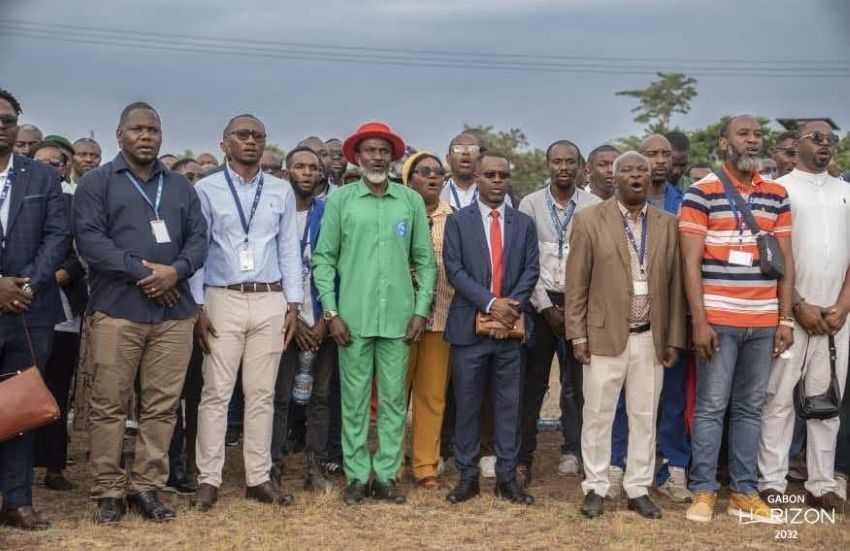
Libreville, Tuesday 30 June 2026 – For years, the debate over Gabon’s water and electricity crisis has focused only on the consequences: endless blackouts, water shortages, load shedding, and public anger. But a fundamental question has remained unanswered: have the people who actually know the networks, installations and technical constraints been listened to?
This week’s meeting between President Brice Clotaire Oligui Nguema and SEEG agents at the Jean Violas Training Centre in Owendo could mark a major turning point in understanding this national crisis. For nearly three hours, the head of state agreed to hear directly from those who have been dealing with field realities every day for years.
The agents’ assessment is clear. Beyond ageing infrastructure, one of the deepest problems at SEEG is the gradual sidelining of technical expertise in decision-making processes.
Technicians’ voices at the core of the diagnosis
An agent with more than twenty years of experience in the electricity division gave a striking account: “For a long time, we have been making diagnoses and proposals. But very often, decisions are taken without taking our feedback into account.” His testimony summed up what many workers have been repeating for a long time. Technicians see the failures, identify risks, and propose solutions, but their recommendations are not always reflected in strategic choices.
Behind this criticism lies a reality observed in many public companies worldwide. When decisions gradually drift away from operational realities, dysfunctions accumulate until they become structural.
Other agents echoed the same sentiment. Electricians, electromechanics, network engineers, water specialists and maintenance staff described a system where technical expertise does not always have the place it deserves in the decision-making chain.
The parallel with certain major international companies is striking. The crises suffered by Boeing, often cited by industrial management specialists, have shown what happens when administrative or financial priorities increasingly override technical requirements. Conversely, groups like Mercedes built their success on the decisive influence of engineers in strategic choices.
Water: a design challenge as much as a production one
The discussions also shed light on several realities that are little known to the public.
Regarding water supply, the agents explained that difficulties do not only come from cuts or ageing installations. Pressure is a determining factor. When available volumes become insufficient, pressure drops mechanically, preventing water from reaching certain neighbourhoods or upper floors of buildings.
This situation is aggravated during the dry season. The resource currently exploited from the Ntoum river naturally suffers from low flow, a phenomenon that reduces the level and volume of available water.
This reality reignites a strategic question: why not use the current overhaul of the sector to consider a larger intake directly connected to the Kango river, whose volumes are much more abundant and stable throughout the year?
Such an orientation would obviously require considerable investment. But it fits precisely the logic of structural infrastructure that must support the needs of a growing country.
Reform will only succeed with expertise
The upcoming creation of the Gabonese Water Company and the Gabon Electricity Company represents a historic opportunity. Rarely has the country had such an important chance to completely rebuild two strategic enterprises.
But the success of this transformation will not depend only on funding or equipment. It will rely above all on the ability to place technical skills back at the heart of the system.
The direct exchange between the head of state and the agents demonstrated one essential thing: the answers often already exist inside the organisations. They lie with the women and men who design, maintain and operate the infrastructure every day.
The real lesson of this meeting may be this: the future entities that will replace SEEG must rely more on their engineers, technicians and specialists. Because in sectors as sensitive as water and electricity, infrastructure can be financed by the state. But only expertise, listening to the field, and competence can sustainably guarantee public service. That is probably the most important lesson Gabon can learn today from its energy and water crisis.