Democratic Republic of Congo: popular sovereignty at the heart of the referendum law debate
The proposed reform has drawn sharp criticism from the opposition, which views it as an attempt by President Félix Tshisekedi to secure a controversial third consecutive term in office.
However, supporters hail the new legislation as a vital affirmation of popular sovereignty, while others express concern that its provisions could potentially conflict with the existing Constitution of the Democratic Republic of Congo.
For those advocating the reform, the primary objective is to bolster popular sovereignty. In Kinshasa, several legal experts see no inherent issues with the text. Maria Eloyi, a jurist, explains her perspective: “Since the Constitution embodies the voice of the people, any alteration or modification to it must inherently follow the referendum procedure, which directly represents the will of the populace. No one can circumvent this process. It’s not solely about political interests; I believe certain articles within our Constitution require amendment.”
Beyond immediate public concerns
This argument resonates with some Congolese citizens. Placide Lukeka, a young resident of Kinshasa, stated he has “always awaited such an initiative because I have consistently supported constitutional change. Those who believe that constitutional amendments are driven purely by political motives are mistaken. Transitioning to a new Republic will undoubtedly bring positive transformation for our nation.”
However, Ange Aloki holds a contrasting view. She believes the ongoing referendum debate is detached from the immediate and pressing concerns of the general population. “I don’t approve of this,” she states. “When I say there are other urgent matters in the country, we could better focus on those. Why dedicate so much energy to this issue just two years before elections? Where were they all this time to change the Constitution?”
A complex legal discussion
Beyond its political implications, the new text has ignited a significant legal debate. Many experts contend that popular sovereignty can only be exercised within the parameters precisely defined by the Constitution itself.
In light of this, Godefroy Mwanabwato, an attorney at the Tshopo bar, expressed his hope that following its parliamentary journey, this law will be partially or entirely invalidated by the Constitutional Court.
According to Mwanabwato, “this court will be able to remove from this draft law all provisions that exceed the power granted to the legislative body to regulate referendum matters.”
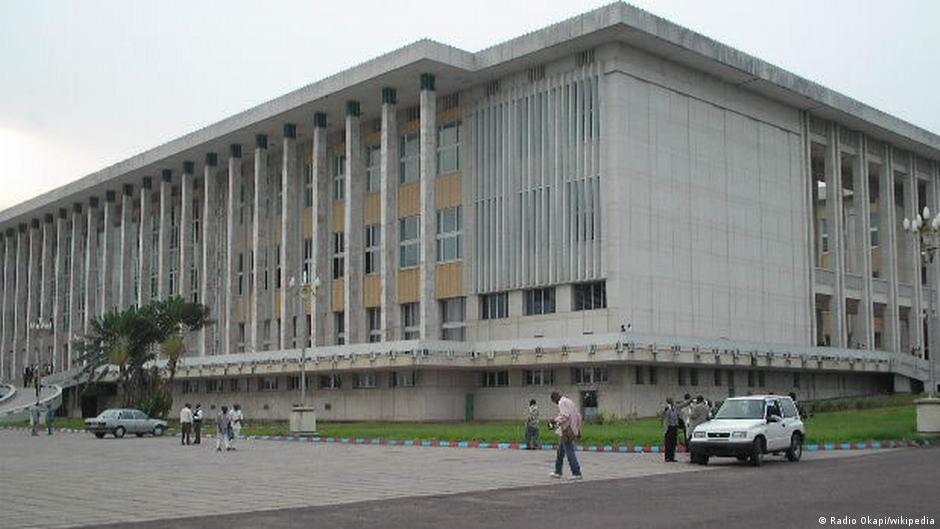
Within the political sphere, the opposition remains steadfast in its rejection of this procedure. Their parliamentary representatives notably walked out of the plenary session convened to examine the law. Opposition leaders subsequently called for a ‘ville morte’ (ghost town) protest on June 3rd, followed by a sit-in demonstration on June 13th.