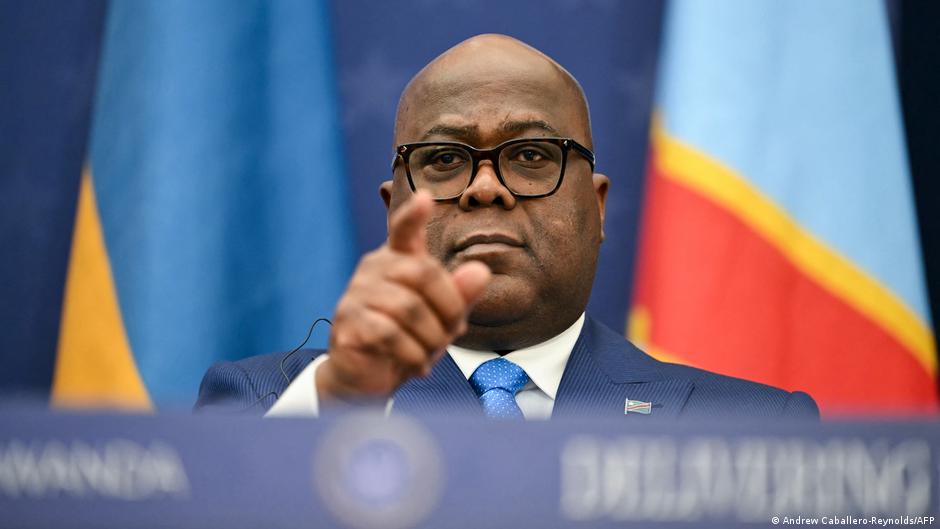
The ongoing constitutional reform process in the Democratic Republic of the Congo has ignited sharp divisions, particularly within religious circles. As lawmakers advance the referendum bill, the nation’s religious leaders are sharply split over the proposed changes to the nation’s foundational charter.
Churches of the Awakening have thrown their support behind President Félix Tshisekedi’s initiative, arguing that the current 2006 Constitution no longer reflects the country’s institutional realities. Archbishop Evariste Ejiba Yamampia, president of the Churches of the Awakening in Congo, emphasized the necessity of reform for national sovereignty, improved governance, and enhanced development.
“This is about safeguarding our national sovereignty, strengthening governance, and fostering development that benefits all citizens. With these reforms, we can better harness our country’s resources and eliminate wasteful spending,” he stated.
Catholic Church urges caution over democratic gains
The Catholic Church, while yet to take an official stance, has signaled its deep concerns through the Council of Lay Apostolate of Congolese Catholics (CALCC). The organization stresses the importance of preserving the 2006 Constitution as the cornerstone of Congo’s fledgling democracy.
“The Church has consistently upheld the Constitution as the foundation of our democracy and advocates for dialogue and wisdom in governance,” said Faustin Onombili, CALCC president. “We remind leaders that power is a service, and we urge citizens to remain vigilant in protecting our democratic achievements.”
Political opposition intensifies resistance
The constitutional reform debate has spilled beyond religious boundaries, fueling political tensions. Opposition groups, including the Article 64 Coalition, have condemned the initiative as a “constitutional coup,” accusing President Tshisekedi of manipulating institutions to consolidate power.
The coalition initially planned to file a legal challenge but postponed the action to focus on organizing a sit-in outside Parliament. As the referendum approaches, the divide between proponents of institutional adaptation and defenders of the 2006 Constitution deepens, casting a shadow over Congo’s political future.