Breaking the ice: Niger and Benin move toward border reopening
After three years of strained relations that led to a complete border blockade, Niger and Benin have signaled a potential thaw in their diplomatic standoff. The breakthrough comes following intense two-day negotiations in Cotonou over the weekend, where both nations outlined significant progress toward resolving their long-standing disputes.
Diplomatic observers note that this development marks a critical shift in a conflict that has severely disrupted trade flows between West Africa’s two neighboring nations. The discussions focused on two key pillars: enhanced security cooperation and the resumption of commercial transit, both of which had been suspended since the Nigerien coup of July 2023.
Key agreements reached in Cotonou negotiations
The high-level delegation from Niger, led by Interior Minister General Mohamed Toumba, engaged in marathon talks with their Beninese counterparts throughout Saturday and Sunday. The meetings concluded with several landmark agreements:
- Security coordination: Both countries committed to establishing joint patrols and intelligence-sharing mechanisms to combat cross-border criminal networks and terrorist threats.
- Trade facilitation: A framework was agreed upon to eliminate transit tariffs on commercial goods moving between the two nations.
- Legal alignment: The parties committed to reviewing existing trade agreements and resolving outstanding legal disputes that had contributed to the border closure.
- Goods regulation: Specific categories of restricted merchandise will remain prohibited from entering either country’s markets.
General Toumba emphasized the strategic importance of these agreements: “We have secured our primary security objective while laying the groundwork for economic normalization and legal reconciliation. This dialogue creates value for our economies, safety for our citizens, and hope for our youth.”
New Beninese leadership paves the way for reconciliation
Analysts attribute the rapid progress to the recent political transition in Benin. Following President Romuald Wadagni’s election in April, his administration moved swiftly to mend fences with Niamey. Just one week after taking office, Wadagni made an official visit to Niger on June 2, marking the first significant diplomatic engagement between the two countries since the 2023 crisis began.
Benin’s Industry and Trade Minister Oleshegun Adjadi Bakari described the outcome of the Cotonou talks positively: “After 48 hours together, we have formed a single delegation with one shared purpose: to rekindle the ancient bond between our peoples.” The minister highlighted that restoring mutual trust had been a primary objective of the negotiations.
The agreements reached in Cotonou must now be formalized through approval from both governments before implementation. However, the speed of these developments suggests both sides are eager to move past their three-year impasse.
Understanding the roots of the three-year conflict
The deterioration of relations between Niger and Benin began immediately after the July 2023 military takeover in Niger that brought General Abdourahmane Tiani to power. The new regime in Niamey accused Benin’s former president Patrice Talon and other regional leaders of plotting a military intervention through ECOWAS to restore constitutional order.
Niger’s military leadership repeatedly alleged that Benin was hosting French troops preparing for an invasion, a claim both Cotonou and Paris consistently denied. The tensions escalated when ECOWAS imposed sanctions following the coup, including the closure of regional borders.
The conflict was further complicated by mutual accusations of supporting armed groups operating in the border regions and involvement in failed coup attempts against Benin’s government in December 2023.

Economic fallout from the prolonged border closure
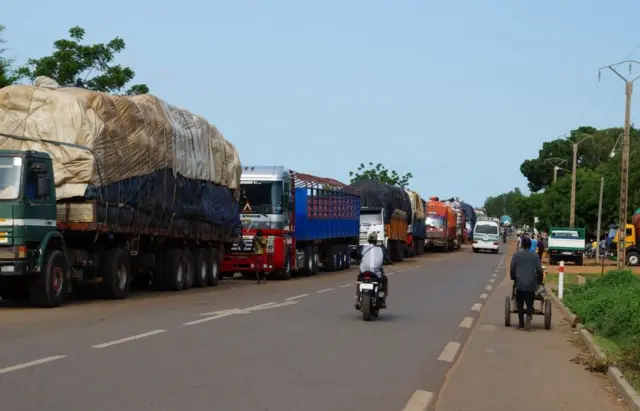
The diplomatic rupture between Niger and Benin has had severe economic consequences for both nations. The once-vibrant commercial corridor between Cotonou and Niamey – one of West Africa’s busiest trade routes – became a political fracture line.
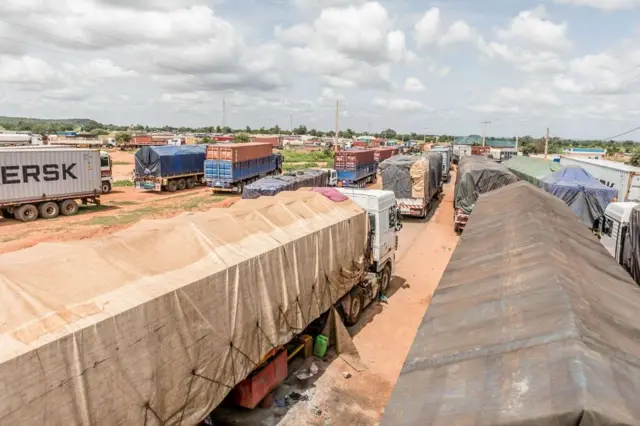
Niger, a landlocked nation, relies heavily on Benin’s Port of Cotonou for 80% of its international trade. The prolonged closure has paralyzed commerce, disrupted supply chains, and forced traders to seek expensive alternatives. Nigerian truck driver Ibrahim Abou Koura, who operates in Cotonou, noted the severe impact on his business: “My once-bustling warehouse that handled goods bound for Niger is now almost empty.”
Transport sector leaders have emphasized the corridor’s importance. Gamatie Mahamadou, Secretary-General of Nigerian truck drivers, stated that the Niger-Benin route was “the safest, most profitable, and shortest path for transporters and businesses.” The closure has forced drivers to take longer, riskier routes through Burkina Faso, exposing them to jihadist attacks.
The economic damage extends beyond transportation:
- The Port of Cotonou has seen a dramatic reduction in activity, losing significant Niger-bound trade to Togo’s Port of Lomé.
- Niger has suspended oil loading at the Seme-Kpodji terminal, affecting energy exports via the 2,000km pipeline connecting its oil fields to Benin.
- Border communities can no longer access essential goods, particularly food staples like cereals.
With the new agreements in place, both nations appear poised to restore the economic vitality that once characterized their relationship. The successful implementation of these accords could mark the beginning of a new chapter in West African regional cooperation.