World Vision Tchad unveils ambitious 2030 strategy for child well-being
World Vision Tchad reveals its 2026-2030 strategic plan, designed to uplift the lives of 3.29 million children. This comprehensive approach integrates humanitarian aid, sustainable progress, and peace consolidation efforts.
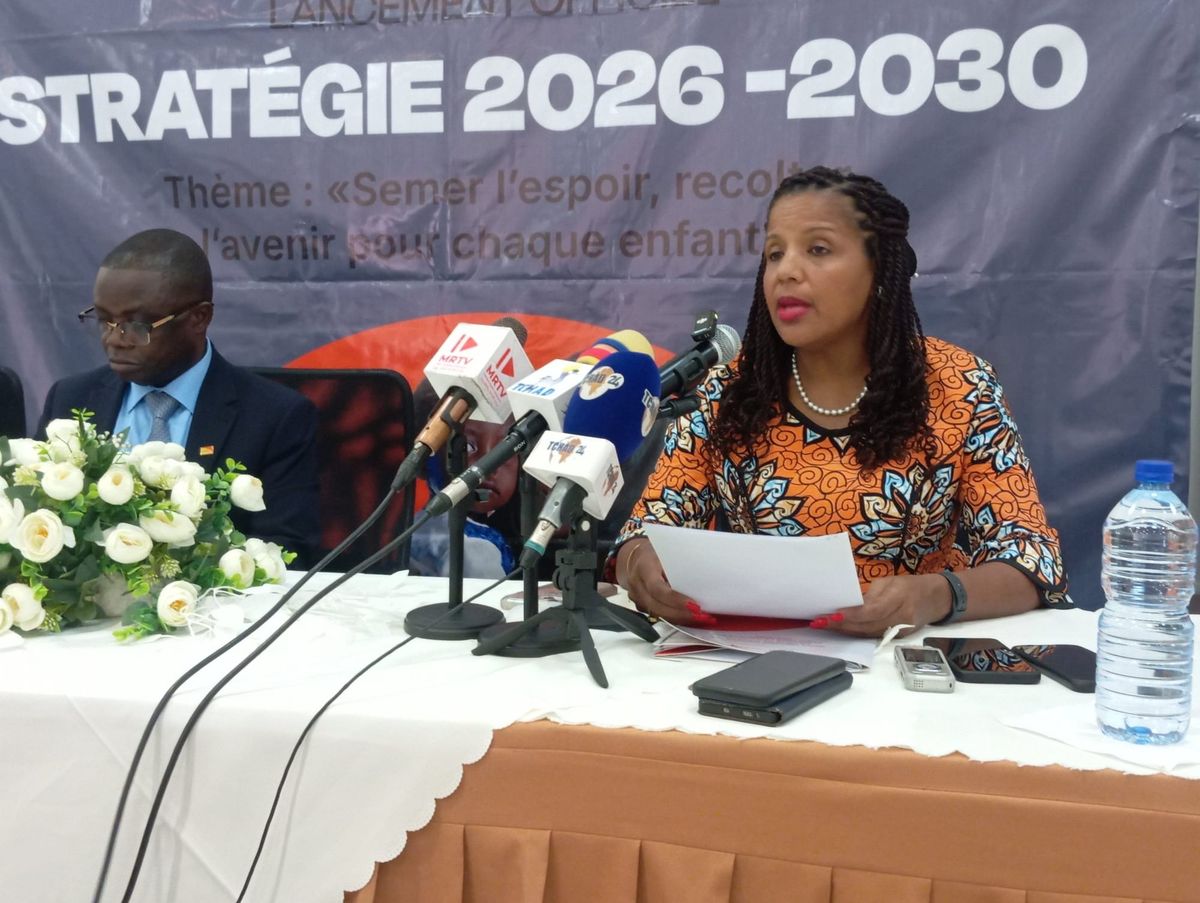
In N’Djamena, World Vision Tchad officially inaugurated its national strategy for 2026-2030 this Thursday. The launch event, held on July 9, 2026, at the Hotel Résidence, brought together media representatives, technical and financial partners, and national authorities. This new roadmap outlines the organization’s goal to reach 3.29 million children by 2030, with a particular focus on 3.09 million of the most vulnerable. Enhanced interventions across health, nutrition, education, child protection, and climate resilience are central to this ambitious plan.
Carla Dominique Denizard, World Vision’s Regional Director for West Africa, operating from Dakar, described the strategy as both «audacious and innovative». She elaborated that its foundation lies in the «Humanitarian-Development-Peace Nexus» approach, which seeks to seamlessly connect emergency responses with long-term sustainable development initiatives and peacebuilding efforts. Denizard stressed that Tchad’s children deserve a life of abundance, achievable through robust partnerships, significant community engagement, and the incorporation of local cultural and spiritual values.
Continuing her address, Denizard reiterated World Vision’s overarching vision for West and Central Africa: to ensure every child in the most fragile contexts not only survives but also thrives fully. She highlighted the persistent major challenges confronting the region, including widespread insecurity, pervasive multidimensional poverty, the escalating impacts of climate change, and large-scale population displacements. In response to this complex situation, the organization has committed to an integrated strategy that blends humanitarian assistance, sustainable development, and peace consolidation.
The World Vision Tchad strategy, she explained, aligns perfectly with major continental and international frameworks. These include the African Union’s Agenda 2063, key Sustainable Development Goals (SDGs 1, 2, 3, 4, 5, 6, 13, and 16), and Tchad’s own Vision 2030. It places significant emphasis on strengthening human capital, bolstering social protection, adapting to climate change, improving educational outcomes through the program Unlock Literacy, and safeguarding children.
Édouard Ngoy Wangoy, the National Director for World Vision Tchad, characterized this launch as a «historic moment» for the organization and for the future of Tchad’s children. He revealed that this new strategy signifies a 20% increase in the organization’s ambitions compared to its previous strategic cycle. Wangoy affirmed their clear yet bold objective: to reach 3.29 million children by 2030, specifically targeting 3.09 million of the most vulnerable. «Our aspiration is that every child in Tchad will not only survive, but also flourish completely,» he articulated.
The National Director further reminded attendees that Tchad continues to grapple with numerous obstacles, including entrenched poverty, widespread malnutrition, recurring humanitarian crises, and the severe repercussions of climate change. Data presented by World Vision indicates that nearly 42% of the Tchadien population lives under the threshold of poverty, underscoring the urgent need for intensified actions to support the most vulnerable communities.
He detailed that the 2026-2030 strategy is built upon several core priorities. These include strengthening integrated nutrition and health services, with a particular focus on maternal and child well-being; enhancing education thanks to the program Unlock Literacy, designed to cultivate reading skills from early schooling; protecting children from all forms of violence; and bolstering community resilience against the impacts of climate change.
Following this comprehensive presentation, World Vision Tchad’s leadership issued a compelling call to all national stakeholders. They urged public authorities, technical and financial partners, civil society organizations, religious and community leaders, and the media to unite their efforts to ensure the strategy’s successful implementation. The organization emphasized that collective mobilization is crucial for transforming current challenges into lasting opportunities for Tchadien children. Through this 2026-2030 strategy, World Vision intends to actively contribute to the realization of Tchad’s Vision 2030 and the achievement of the Sustainable Development Goals, striving to build a nation where every child will be protected, well-nourished, educated, and fully empowered.