World Vision Chad Unveils Ambitious 2030 Strategy to Transform Children’s Lives
World Vision Chad has rolled out its 2026–2030 strategic plan, targeting life-changing interventions for 3.29 million children, including 3.09 million from the most vulnerable groups. The integrated approach merges emergency relief, sustainable development, and peacebuilding initiatives.
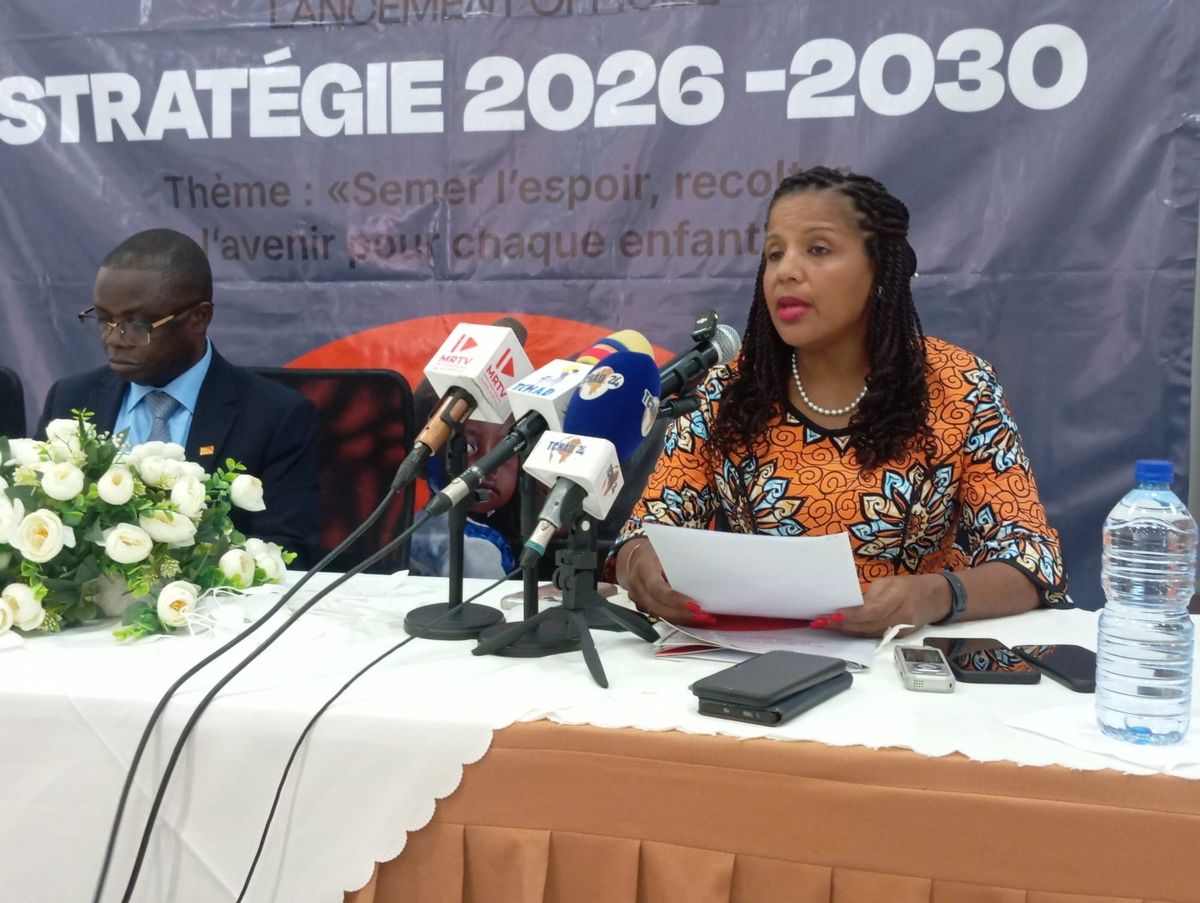
N’Djamena — World Vision Chad has officially introduced its new five-year strategic framework (2026–2030), designed to uplift the lives of children across the nation. The launch event, held in the capital’s leading hotel, brought together media representatives, development partners, financial backers, and national leaders to outline the organization’s expanded vision.
During the presentation, the Regional Director for West Africa at World Vision, Carla Dominique Denizard, described the strategy as both bold and groundbreaking. She emphasized its foundation in the Humanitarian-Development-Peace Nexus, a model that bridges urgent relief efforts with long-term sustainable growth and conflict-prevention initiatives. « Every child in Chad deserves the chance to thrive—not just survive, » she stated, underscoring the need for strong partnerships, grassroots engagement, and cultural awareness in program design.
Denizard highlighted the severe challenges facing children in Chad, including deep-rooted poverty, climate-induced disruptions, and frequent humanitarian crises. She positioned the new strategy within continental and global development agendas, aligning it with the African Union’s Agenda 2063, the Sustainable Development Goals (SDGs), and Chad’s own Vision 2030. Key priorities include strengthening human capital, social protection, climate adaptation, literacy through the Unlock Literacy program, and child protection systems.
World Vision Chad’s National Director, Édouard Ngoy Wangoy, called the launch a historic milestone for the organization and the nation’s children. He noted that this plan represents a 20% increase in ambition over the previous strategy, aiming to reach 3.29 million children by 2030—3.09 million of whom are among the most at-risk. « Our goal is clear: to ensure that every child in Chad not only survives but flourishes, » he declared.
Ngoy Wangoy also drew attention to the country’s pressing issues: widespread poverty affecting 42% of the population, chronic malnutrition, recurring humanitarian emergencies, and the growing impact of climate change. He outlined four core pillars of the strategy: integrated nutrition and health programs with a focus on maternal and child health, expanded access to quality education via Unlock Literacy, comprehensive child protection measures, and building community resilience to environmental shocks.
In closing, World Vision Chad’s leadership issued a call to action, urging government agencies, development partners, civil society, religious leaders, and the media to collaborate closely. They stressed that collective action is essential to turning current challenges into lasting opportunities for Chad’s children. By aligning with national and global development goals, this strategy aims to create a future where every child is safe, nourished, educated, and empowered to reach their full potential.