The Constitutional Court of the Democratic Republic of the Congo (DRC) has recently delivered a landmark ruling on the referendum law, sparking widespread discussion across the nation. This decision carries significant implications for the country’s political landscape and future governance. The ruling, which addresses key aspects of electoral reform, has drawn both support and criticism from various sectors of society.
The referendum law, which proposed changes to the electoral process, was a subject of intense debate long before the court’s verdict. Proponents argued that the amendments were necessary to enhance transparency and fairness in elections. They emphasized the need for a more inclusive and representative political system that could better reflect the will of the Congolese people. The proposed changes included adjustments to voter registration procedures, polling station allocations, and the role of international observers in monitoring elections.
key points of the constitutional court’s decision
The Constitutional Court’s ruling has clarified several critical points regarding the referendum law. One of the most notable aspects is the court’s validation of certain amendments while striking down others. The court’s decision underscores the importance of constitutional compliance and the separation of powers in the DRC’s governance structure.
- Voter registration: The court upheld the proposed changes to voter registration, which aim to streamline the process and reduce fraud. These modifications include the introduction of a biometric voter registration system, designed to ensure that only eligible voters can participate in elections.
- Polling station allocation: The ruling also addressed the allocation of polling stations, with the court endorsing a more equitable distribution across urban and rural areas. This move is expected to improve access to voting for citizens in remote regions.
- International observers: The court’s decision permits the continued involvement of international observers in future elections, a provision that was contested by some political factions. The presence of these observers is seen as a crucial safeguard against electoral irregularities.
- Constitutional compliance: Perhaps the most significant aspect of the ruling is the court’s emphasis on constitutional compliance. The judges stressed that all electoral reforms must align with the country’s constitution, setting a precedent for future legislative changes.
reactions from political leaders and civil society
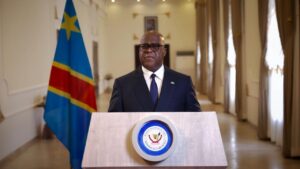
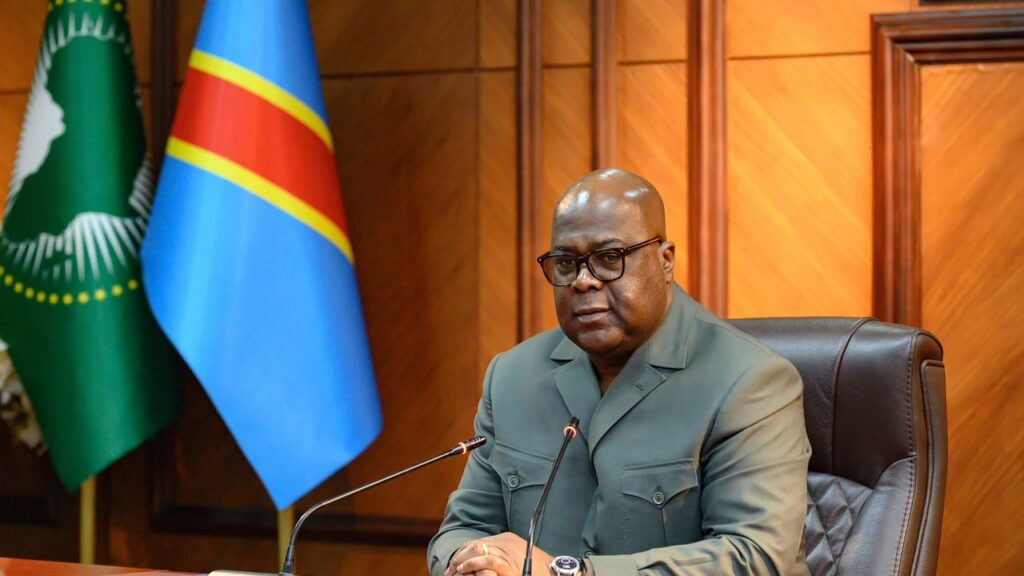
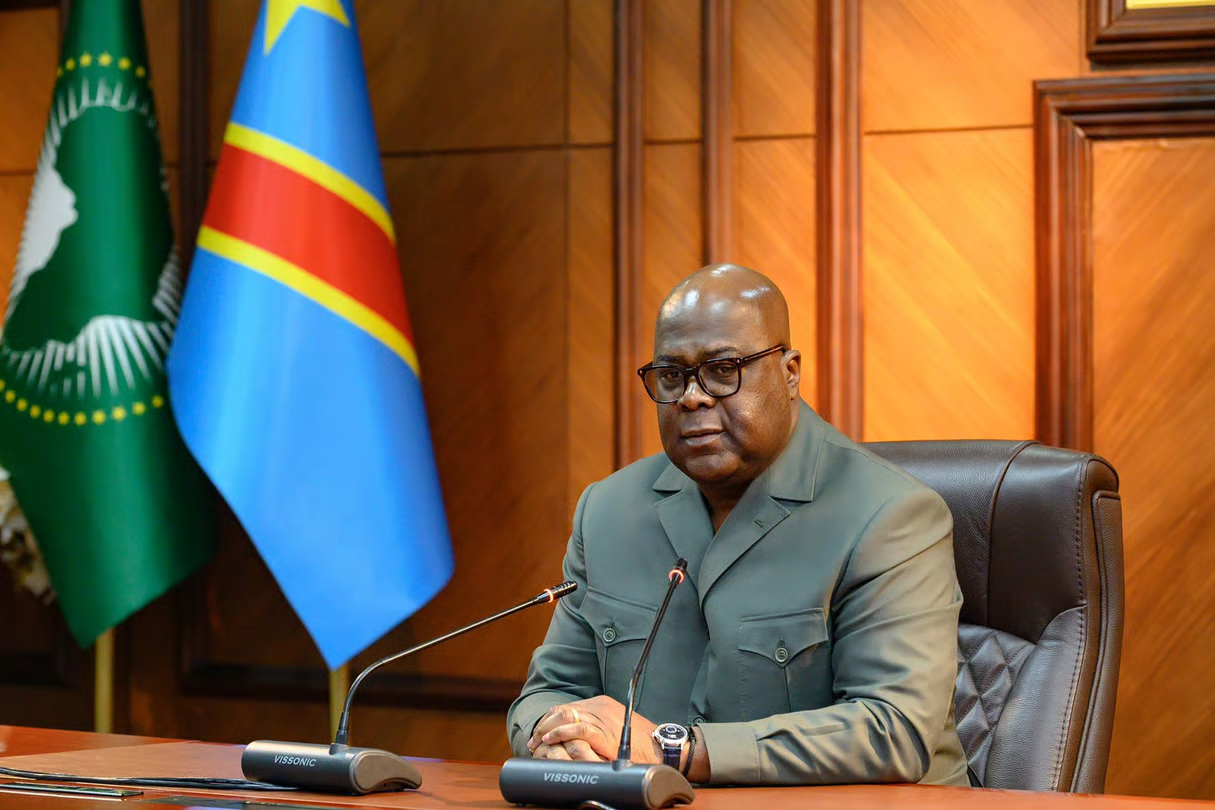
The court’s decision has elicited a range of responses from political leaders and civil society organizations. President Félix Tshisekedi, whose administration had championed the referendum law, welcomed the ruling as a step toward strengthening democracy in the DRC. In a statement, he praised the court for its commitment to upholding the rule of law and ensuring that electoral reforms are implemented in a manner consistent with the constitution.
However, not all reactions have been positive. Critics of the ruling argue that the court’s decision does not go far enough in addressing the concerns of opposition groups. They point out that several key amendments proposed in the referendum law were rejected, leaving significant gaps in the electoral framework. Some civil society leaders have expressed disappointment, calling for further dialogue to ensure that all voices are heard in the democratic process.
what this means for the democratic republic of the Congo
The Constitutional Court’s ruling marks a pivotal moment in the Democratic Republic of the Congo’s ongoing efforts to consolidate its democratic institutions. The decision reflects a delicate balance between reform and constitutional integrity, highlighting the challenges of navigating political change in a complex and diverse society.
The court’s validation of certain electoral reforms is a positive sign for those advocating for a more transparent and inclusive political system. However, the rejection of some amendments also underscores the need for continued engagement and compromise among political stakeholders. As the DRC moves forward, the implementation of these reforms will be closely watched by both domestic and international observers.
For citizens, the ruling presents both opportunities and challenges. On one hand, the streamlined voter registration process and equitable polling station allocation could enhance their ability to participate in the democratic process. On the other hand, the rejection of certain reforms may leave lingering concerns about the fairness and inclusivity of future elections. The coming months will be critical in determining how these changes are put into practice and what impact they will have on the DRC’s political landscape.