Senegal, Middle East conflict and 2026 World Cup: key issues ahead
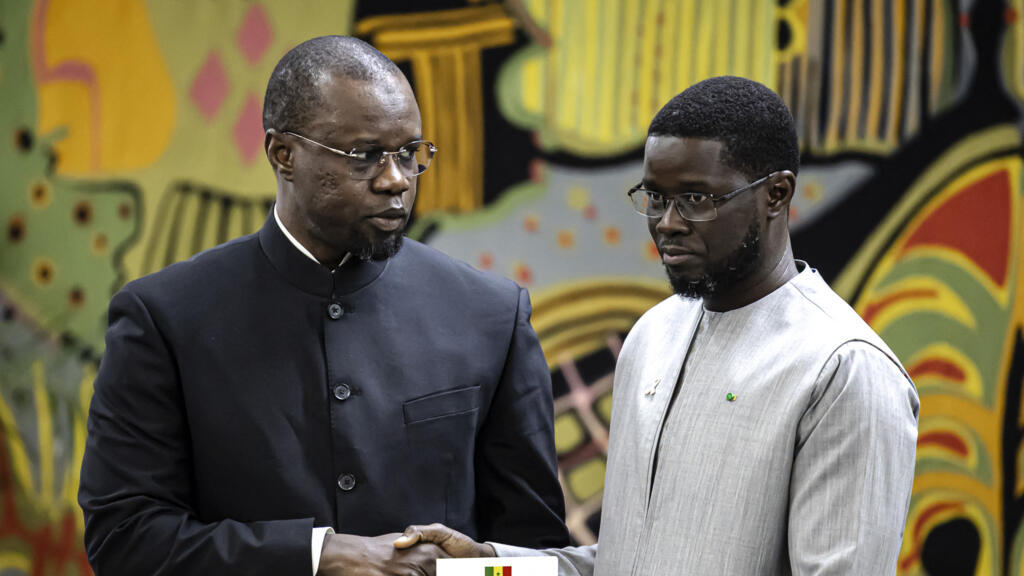
This week’s discussion explores Senegal’s evolving political landscape following the formation of a new presidential party and the constitutional reform setback. Meanwhile, rising tensions in the Middle East and Senegal’s preparations for the 2026 World Cup add complexity to the national conversation.
Senegal’s political chessboard: new alliances and constitutional hurdles
President Bassirou Diomaye Faye is navigating uncharted waters as his administration faces both internal and external pressures. The recent establishment of a presidential party has reshaped the political dynamics, while the constitutional reform bill—championed by the parliamentary majority led by Ousmane Sonko’s Pastef—was struck down by the Constitutional Council. This strategic move raises critical questions: Will President Faye succeed in winning over the opposition and securing public support for his agenda?
Middle East escalation: a region on the brink
Across the globe, tensions in the Middle East are escalating once again. Following a fresh wave of airstrikes and retaliatory actions, former US President Donald Trump declared the ceasefire “finished,” dismissing ongoing negotiations with Iran as a “waste of time.” His administration’s stance signals potential military escalation, leaving the region vulnerable to another cycle of violence.
What’s next for Senegal on the international stage?
As Senegal positions itself as a key player in West Africa, the country’s diplomatic and economic strategies are coming under scrutiny. With the 2026 World Cup on the horizon, questions linger about Senegal’s readiness and the broader implications of hosting such a global event.
Weekly insights: African perspectives on global and regional affairs
In this edition of Le débat africain, a panel of distinguished African journalists dissects the week’s most pressing issues:
- Wuldath Mama, Beninese journalist and international affairs expert
- Eric Topona, Chadian journalist with Deutsche Welle’s Francophone Africa desk
- François Hiondi Nkam, senior reporter and Economy editor at Cameroon’s Le Jour