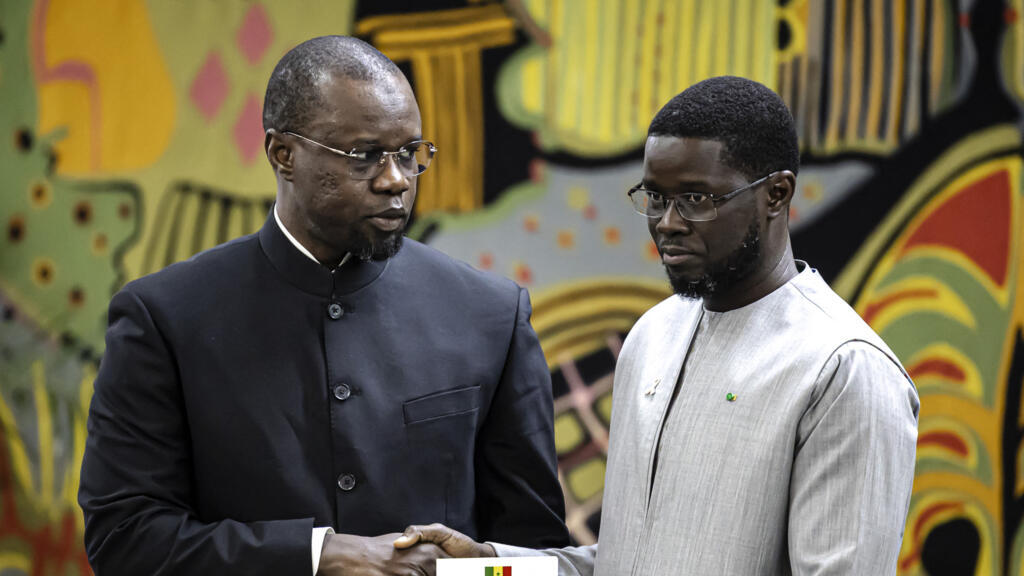
As Senegal navigates a pivotal phase in its political landscape, recent developments are reshaping the nation’s trajectory. The establishment of a new presidential party and the constitutional reform’s rejection by the Constitutional Council—following a vote by the parliamentary majority of Pastef, led by Ousmane Sonko—mark a turning point for President Bassirou Diomaye Faye’s administration. The question now arises: will these strategic moves secure the backing of the opposition and sway public opinion in favor of the government’s agenda?
a shifting political landscape in Senegal
The political scene in Dakar is buzzing with anticipation as President Bassirou Diomaye Faye advances his vision for Senegal’s future. The creation of a new presidential party signals a bold step toward consolidating power and redefining governance. However, the recent invalidation of the parliamentary-backed constitutional reform by the Constitutional Council has introduced a layer of uncertainty. This decision, driven by legal scrutiny, has left many wondering about the next moves in Senegal’s political chessboard.
Ousmane Sonko, former Prime Minister and a prominent figure in the Pastef movement, finds himself at the center of this storm. His leadership in the parliamentary majority once pushed for sweeping constitutional changes, but the Council’s intervention has thrown a wrench into those plans. The political tension is palpable, as both the government and opposition grapple with the implications of this ruling.
global tensions and their african echoes
Beyond Senegal’s borders, global tensions are escalating, particularly in the Middle East. The fragile ceasefire between Iran and its adversaries appears to have collapsed, with the United States under Donald Trump declaring the truce officially over. Trump’s dismissive stance toward negotiations with Tehran—dismissing them as a waste of time—has heightened fears of a renewed military confrontation. The region stands on the precipice of further instability, with the potential for far-reaching consequences.
weekly african perspectives on key issues
Each week, a panel of distinguished African journalists and analysts dissects the continent’s most pressing issues, both domestically and internationally. This week’s discussion will delve into Senegal’s evolving political dynamics and the broader implications of the Middle East’s unraveling ceasefire. The panel includes:
- Wuldath Mama, a Beninese journalist renowned for her expertise in international affairs;
- Eric Topona, a Chadian journalist contributing to the Deutsche Welle’s Francophone Africa desk;
- François Hiondi Nkam, a veteran reporter and head of the Economy desk at Cameroon’s Le Jour newspaper.