In the latest episode of the African Debate podcast, the spotlight turns to Senegal, where President Bassirou Diomaye Faye is navigating a critical phase of his mandate. Fresh off the heels of the Constitutional Council’s decision to invalidate a key reform proposed by the parliamentary majority led by Ousmane Sonko’s Pastef party, the head of state is rolling out a bold political strategy. By launching a new presidential party, he aims to redefine the country’s political landscape and secure public support. But will this maneuver succeed in bridging divides with the opposition and winning over the Senegalese public?
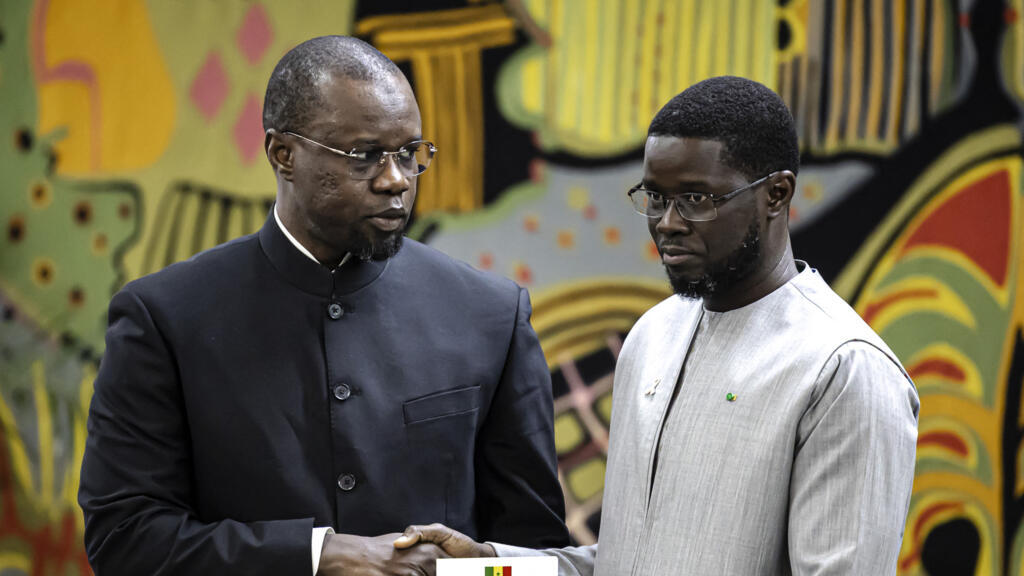
Senegal’s political chessboard: a new party in play
President Bassirou Diomaye Faye is reshaping Senegal’s political terrain with the formation of a new presidential party. This bold move follows the Constitutional Council’s rejection of a constitutional reform spearheaded by the Pastef majority in the National Assembly, led by Ousmane Sonko. The decision marked a turning point, forcing the government to reassess its strategy. Now, Faye is betting on a fresh political structure to consolidate his agenda and rally broader support across the nation.
The question remains: can this new party bridge the gap between the executive and opposition forces, or will it deepen existing divisions? The coming weeks will be decisive in determining whether Faye’s vision aligns with the expectations of the Senegalese people.
Global tensions and their ripple effects
The African Debate podcast doesn’t stop at domestic politics. This week’s episode also dives deep into the escalating tensions in the Middle East. With Iran at the center of renewed hostilities, the region faces a critical juncture. Recent strikes and retaliatory actions have pushed the situation to a breaking point, prompting U.S. President Donald Trump to declare the ceasefire “over.” His sharp criticism of negotiations with Tehran as a “waste of time” signals a potential shift toward military action. As the Middle East braces for further instability, the implications for global security and regional alliances could be profound.
Every week, a panel of seasoned African journalists and analysts dissects the most pressing issues shaping the continent and the world. Their insights provide a nuanced understanding of events that resonate far beyond borders. This week’s contributors include:
- Wuldath Mama, a Beninese journalist with deep expertise in international affairs
- Eric Topona, a Chadian journalist covering Francophone Africa for Deutsche Welle
- François Hiondi Nkam, a veteran reporter and head of the Economy desk at Cameroon’s Le Jour newspaper
From Dakar’s political maneuvering to the volatile Middle East, this episode offers a comprehensive look at the forces shaping Senegal’s future and the wider African landscape.