The long-standing dispute between Senegal’s Rural Electrification Agency (ASER) and Spanish energy company AEE Power has reignited political tensions in Dakar. Thierno Alassane Sall, President of La République des valeurs and a National Assembly deputy, has taken a firm stance against the ruling Pastef party, accusing it of maintaining contradictory positions regarding the rural electrification contract that has become a symbol of tensions between the executive branch and segments of the political class. The former Energy Minister’s blunt accusation of duplicity stands out in Senegal’s typically measured parliamentary discourse.
Rural electrification contract escalates into a national issue
The ASER-AEE Power contract involves a large-scale rural electrification program aimed at connecting thousands of Senegalese villages to the national grid. For months, public scrutiny has focused on contract execution, fund disbursements, and actual delivery of services. The controversy took a political turn when Pastef officials, prior to assuming power, had framed this deal as a prime example of mismanagement under the previous administration.
Now in power, these same officials are responsible for honoring the contractual obligations inherited from the former government. Thierno Alassane Sall highlights this contradiction, arguing that the current majority’s stance diverges sharply from the positions articulated during the election campaign and early days of the new administration.
Thierno Alassane Sall’s direct challenge to Pastef
A well-known voice on energy matters, the former minister contends that the party led by Ousmane Sonko and supported by President Bassirou Diomaye Faye can no longer claim the moral high ground of opposition. He points to a discrepancy between promises of systematic audits of opaque contracts and the cautious approach adopted toward AEE Power. The deputy warns that inconsistent handling of inherited projects risks undermining the credibility of the government’s pledge to break from past practices since March 2024.
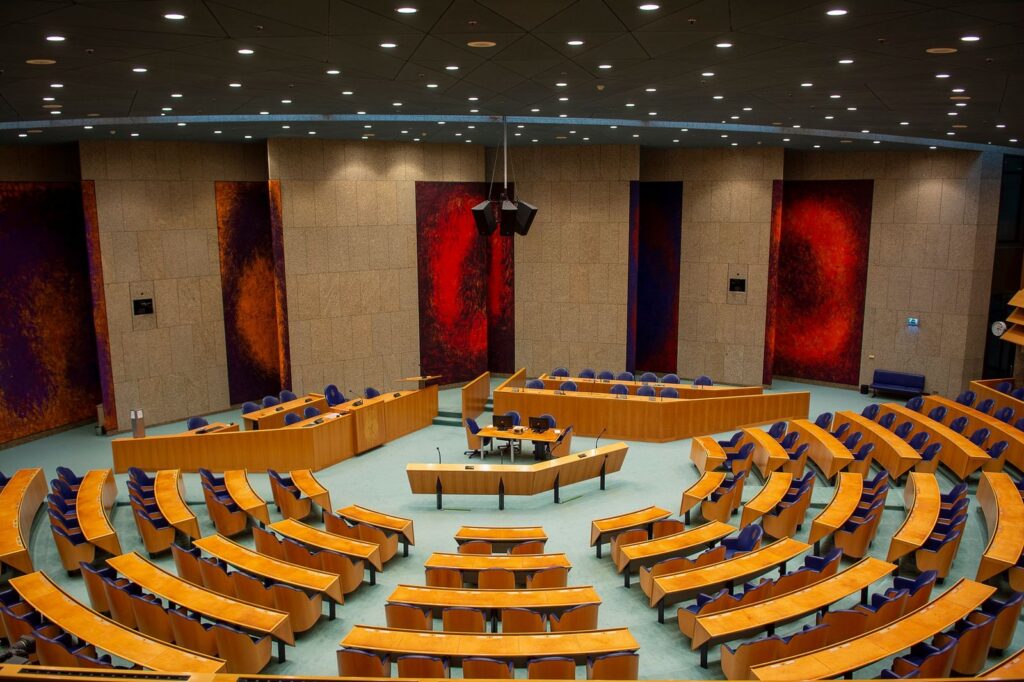
Thierno Alassane Sall also questions the government’s transparency in this dispute. He argues that ambiguities surrounding the potential termination timeline, penalties, and payment status fuel public distrust. The opposition lawmaker is calling for a parliamentary review, asserting that the National Assembly is the legitimate forum to resolve a conflict involving public funds and Senegal’s international contractual commitments.
National sovereignty and contract credibility at stake
Beyond the political dispute, the ASER-AEE Power case raises structural concerns for Senegal’s energy sector. Rural electrification, a multi-billion franc CFA priority, is crucial for reducing regional disparities in electricity access. A sudden contract termination could expose the state to costly international arbitration proceedings, as seen in other extractive sector disputes handled by ICSID in recent years.
For development partners and foreign investors tracking Senegal’s progress, how the new administration resolves this conflict will serve as a litmus test. A transparent resolution could bolster Senegal’s sovereign reputation with donors and international firms. Conversely, political handling of the case may drive up future financing costs and complicate the competitiveness of public energy tenders.
Thierno Alassane Sall’s intervention comes at a time when the executive is pushing for accountability targeting former officials. By spotlighting Pastef’s alleged inconsistencies on AEE Power, the former minister shifts the debate’s focus to current government practices. The resolution will hinge on whether the relevant parliamentary commission releases key documents and how ASER publicly addresses the dispute in the coming weeks. The deputy continues to demand full transparency on this sensitive case.