Senegal’s electoral code reform gains momentum with presidential enactment of L29 and L30
The presidential approval of articles L29 and L30 of the Electoral Code represents a pivotal milestone in Senegal’s electoral framework transformation. This landmark decision, following a second parliamentary review, introduces critical adjustments that will shape the nation’s upcoming electoral landscape.
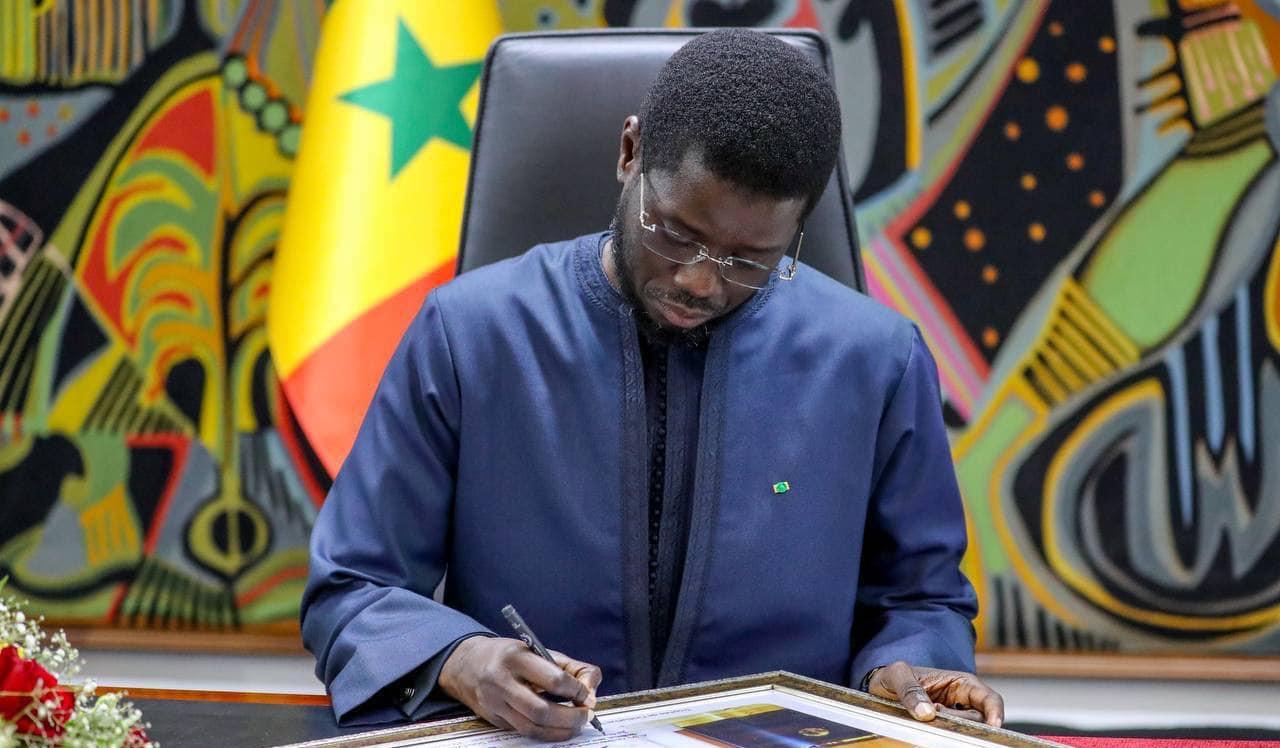
Parliamentary path to reform
The electoral reform journey reached a crucial juncture when the National Assembly reconvened to address the presidential concerns about “material errors” in the initial draft. On May 11, 2025, lawmakers approved the amended legislation under urgent procedures, demonstrating the government’s commitment to timely electoral preparations.
Constitutional timelines rather than arbitrary deadlines governed the promulgation process. Despite circulating reports about a May 13 deadline, legal experts confirmed that the constitutional framework provided sufficient flexibility to ensure proper legislative review.
Key provisions of the electoral reform
The newly enacted articles L29 and L30 introduce substantial modifications to Senegal’s electoral framework. These changes primarily focus on:
- Eligibility criteria for electoral candidates, establishing clearer guidelines for participation in national elections
- Electoral process organization, including updated protocols for voter registration and polling station management
- Enhanced transparency measures to strengthen public trust in electoral procedures
The presidential enactment formally transforms these parliamentary decisions into binding law, marking the culmination of months of legislative deliberation and public consultation.