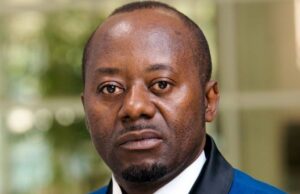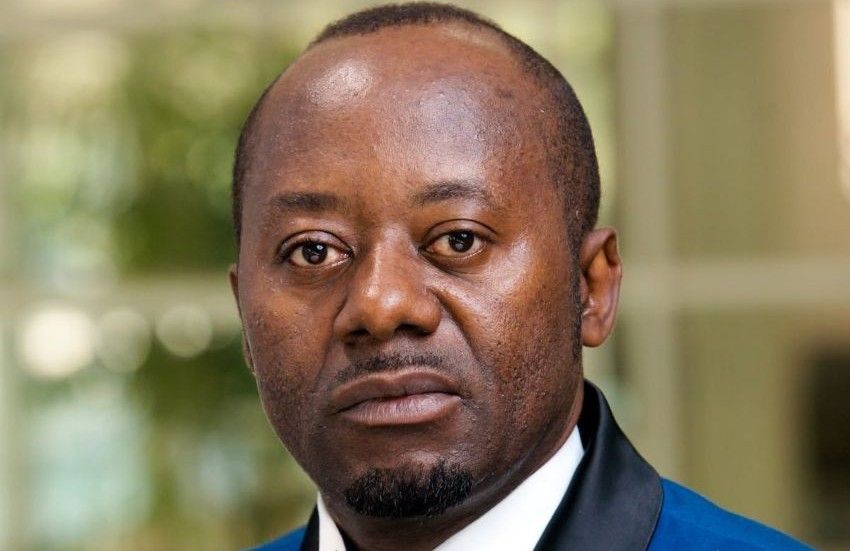
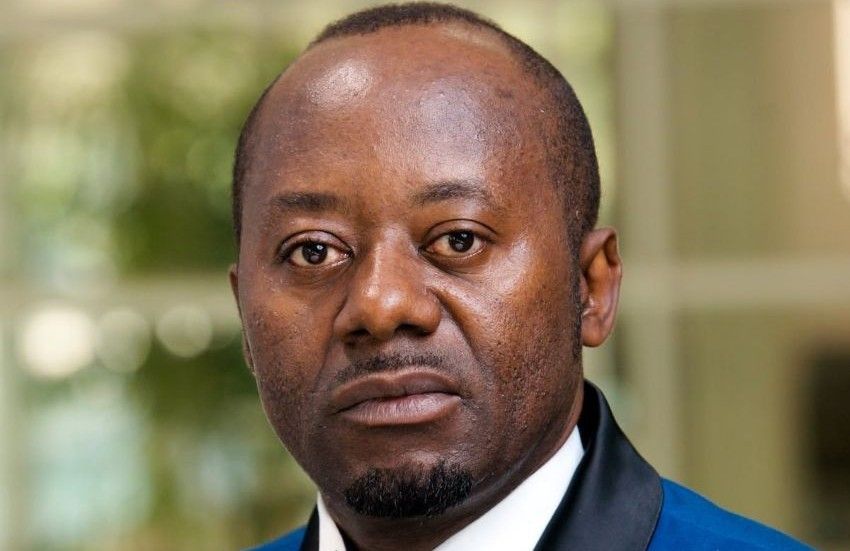
Libreville, September 2026 — Gabon’s judicial landscape is poised for a significant transformation as Alain-Georges Moukoko assumes leadership at Libreville’s prosecutor’s office. The appointment, finalized during a critical magistrate reorganization, signals a decisive turning point for a justice system under intense scrutiny to deliver enhanced efficiency, transparency, and credibility.
Taking over from Eddy Narcisse Minang, Moukoko brings a distinctive profile shaped by decades of prosecutorial experience and an uncommon dedication to environmental justice and anti-human trafficking efforts. At 52, the Libreville-born magistrate steps into a role where his prior achievements—particularly in combating illegal logging, poaching, and forced labor—could redefine the boundaries of Gabon’s legal landscape.
From environmental crusader to top prosecutor: Moukoko’s remarkable journey
Moukoko’s career trajectory reflects a rare fusion of legal expertise and activism. After graduating from Gabon’s National School of Magistracy, he spent nearly a decade as a prosecutor, handling cases that laid the groundwork for his reputation as a tenacious defender of vulnerable communities and ecosystems. His later appointment to the Court of Appeal in Mouila further solidified his standing as a magistrate capable of navigating complex legal terrain.
Internationally recognized through his Humphrey Fellowship in the United States, Moukoko has honed his skills in human rights law, anti-corruption tactics, and transnational crime prevention. This global exposure adds a strategic dimension to his approach, particularly as Gabon grapples with balancing economic development—particularly in mining and industrial sectors—with environmental protection.
A legacy built on justice for victims and the environment
Moukoko’s most notable contributions stem from his founding role in the Association of Gabonese Green Magistrates, where he championed landmark cases against illegal deforestation, illicit fishing, and wildlife trafficking. His 2015 accolade—the Iqbal Masih Award—recognized his relentless pursuit of perpetrators involved in human trafficking and child labor exploitation, earning praise from the U.S. Department of Labor for dismantling transnational networks.
Facing unprecedented challenges in a high-stakes role
As prosecutor general, Moukoko inherits a portfolio laden with the most sensitive cases under the jurisdiction of Libreville’s Court of Appeal. His leadership team includes three attorneys general—Hortense Komba Bango Ngossanga, Olivier Nzaou, and Angélique Ndouna—alongside two deputy attorneys general, Rodrigue Ondo Mfoumou and Andy Kinette Ntsame Mamadou. The Superior Council of the Judiciary has also advanced Moukoko’s rank to the top tier of magistrates.
His appointment arrives amid heightened expectations from Gabon’s leadership. During a magistrate session in Port-Gentil, President Brice Clotaire Oligui Nguema emphasized the judiciary’s duty to expedite proceedings, enforce fair timelines, and eradicate procedural delays. These directives present Moukoko with a clear mandate: to elevate the prosecutor’s office from a paper-based institution to one of tangible accountability.
Can Moukoko’s environmental focus reshape Gabon’s legal priorities?
Gabon’s evolving legal framework demands a prosecutor who can reconcile economic imperatives with ecological sustainability. The country’s vast natural resources—from its dense rainforests to its mineral-rich soils—are both a national treasure and a target for exploitation. Moukoko’s expertise positions him to address the delicate intersection where corporate interests collide with environmental laws, ensuring that Gabon’s economic ambitions do not come at the expense of its natural heritage.
A test of coordination and execution
Yet leadership at the prosecutor’s office transcends individual cases or high-profile arrests. Success will hinge on Moukoko’s ability to synchronize prosecutorial strategies across multiple levels, maintain procedural coherence, and uphold the rule of law without bias. The benchmarks for success extend beyond metrics such as prosecution rates; they encompass the speed of case resolutions, the rigor of investigations, and the enforceability of court decisions.
Seizing the moment: A prosecutor’s true measure
The transition from Eddy Minang’s tenure is emblematic of broader judicial reforms underway. The Superior Council of the Judiciary has emphasized that the change in leadership does not imply prior misconduct—only the need for a fresh perspective. For Moukoko, the path forward demands more than leveraging his past accolades; it requires a daily commitment to justice that is swift, equitable, and uncompromising.
Libreville now hosts a prosecutor general whose career embodies the fusion of legal prowess and social justice. The coming months will reveal whether his leadership can translate into a judiciary that is not only feared by wrongdoers but trusted by citizens—a system where justice is both visible and virtuous.