The Prime Minister of Senegal, Ousmane Sonko, has raised concerns over a potential increase in fuel prices, citing a volatile international climate. During a session at the National Assembly, he emphasized that such a move could strain public finances and impact the national economy, ultimately affecting the purchasing power of Senegalese citizens.
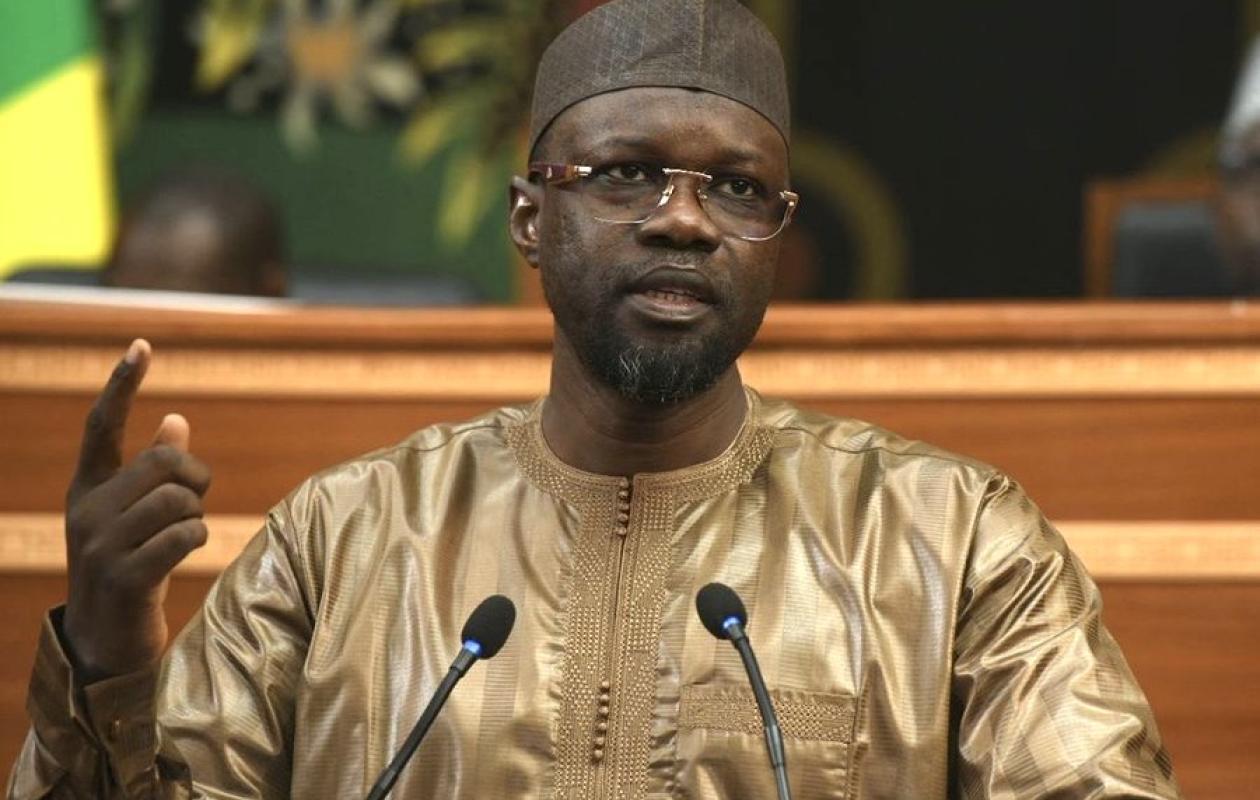
Global instability drives fuel price concerns in Senegal
Speaking before lawmakers, Ousmane Sonko highlighted the growing risk of higher fuel costs due to escalating tensions in the Middle East and soaring global oil prices. The Prime Minister noted that the initial budget assumptions, based on lower oil prices, are now outdated, placing significant pressure on the country’s financial stability.
« This is a dual crisis, » he stated. « Many nations have already adjusted pump prices, and Senegal is feeling the direct consequences. »
Broader economic consequences
The Prime Minister warned that the surge in fuel prices extends beyond transportation costs. He pointed to rising insurance premiums for ships transporting fuel from the Gulf, which could further strain the economy.
Energy subsidies alone could cost the state over 1,000 billion FCFA, representing a substantial portion of the national budget.
Balancing economic strain with social priorities
While reaffirming the government’s commitment to safeguarding the purchasing power of Senegalese households, Ousmane Sonko acknowledged the challenges of absorbing external economic shocks. « We will hold out for as long as possible, but realism is essential. No one can bear the unbearable, » he cautioned.
Agricultural subsidies in the spotlight
The Prime Minister also addressed concerns over agricultural subsidies, currently valued at around 130 billion FCFA. He criticized inefficiencies in allocation and management, announcing plans to gradually redirect funds toward mechanization and irrigation systems to boost year-round productivity.