Senegal’s political crisis deepens as National Assembly leader steps down
Senegal is grappling with fresh political turmoil following the abrupt resignation of National Assembly President El Malick Ndiaye, announced just 48 hours after Prime Minister Ousmane Sonko was dismissed from office.
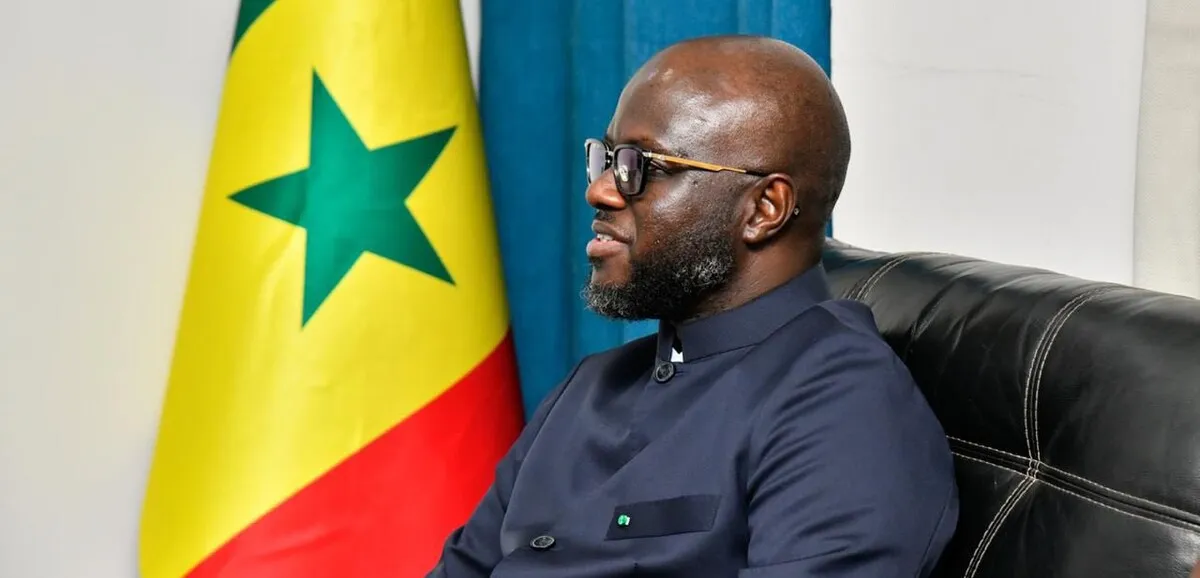
The political landscape in Senegal has taken another dramatic turn. On Sunday, May 24, El Malick Ndiaye announced his resignation from the National Assembly presidency, citing a ‘personal decision’ driven by ‘the supreme interest of the nation’ without elaborating further.
This development comes on the heels of President Bassirou Diomaye Faye’s controversial decision to remove Ousmane Sonko from his role as Prime Minister, a move that has sent shockwaves through the political establishment.
Could Sonko ascend to the Assembly presidency?
Ndiaye’s resignation has created a power vacuum that could pave the way for Ousmane Sonko to assume the Assembly leadership. As the dominant figure in the ruling party, Sonko’s movement controls 130 of the 165 parliamentary seats following the November 2024 legislative elections.
Though barred from running in the 2024 presidential election due to a prior judicial ruling, Sonko’s influence remained pivotal in propelling Bassirou Diomaye Faye to power under the campaign slogan ‘Diomaye Moy Sonko’.
A government under strain
Recent months have seen growing public tensions between Sonko and President Faye, culminating in last Friday’s decisive break. This political schism raises serious questions about the government’s ability to govern effectively and advance critical reforms amid Senegal’s already challenging economic climate.
The coming days may prove decisive for the future of Senegal’s political leadership.