Senegal braces for December 2 decision: Assembly dissolution looms large
On December 2, 2026, Senegal’s president gains the constitutional power to dissolve the National Assembly—a move that could reshape the country’s political landscape following recent parliamentary shifts. The timing marks a pivotal moment for both the executive branch and the legislature, where power dynamics have shifted dramatically in recent months.
This constitutional window opens exactly two years after the current Assembly, dominated by Ousmane Sonko’s Pastef party, was installed on December 2, 2024. The president’s ability to dissolve Parliament was previously blocked by electoral timing, but that restriction lifts in early December. The move would trigger a fresh legislative election within 60 to 90 days, potentially reshaping Senegal’s political balance before key 2027 votes.
Constitutional trigger: What December 2 unlocks
The Senegalese Constitution, specifically Article 87, allows presidential dissolution of the National Assembly once two years have elapsed in a legislative term. With the Assembly seated on December 2, 2024, the December 2, 2026 deadline creates a rare convergence of political opportunity and legal readiness. This window offers the president a high-stakes strategic lever: the power to reset parliamentary arithmetic through early elections.
Political observers note that the president has not yet committed to action. Public statements have emphasized the date’s significance without confirming dissolution plans, leaving the nation in a state of calculated suspense. Meanwhile, internal party discussions reflect growing urgency, particularly from ministers allied with the new Kiiraay party, who argue that legislative obstruction justifies immediate elections.
Dual dilemmas: Timing vs. logistics
While dissolution remains constitutionally viable from December 2 onward, practical hurdles complicate swift action. Election officials face a packed calendar: territorial elections slated for January 17, 2027, leave little room for scheduling a second national vote within weeks. Constitutional deadlines require legislative elections between 60 and 90 days post-dissolution, pushing potential polling dates between late January and early March 2027.
Attempts to consolidate ballots—merging legislative and territorial elections—collide with logistical constraints and legal timelines. Electoral authorities may need to stagger votes, adding uncertainty to the political timeline. Civil society groups already warn that rushed elections could strain administrative capacity and distort electoral fairness in certain regions.
Stalemate or showdown: The cost of inaction
Choosing not to dissolve Parliament immediately does not eliminate risk. The president faces an Assembly that no longer aligns with his agenda, turning routine legislative processes into confrontation zones. Recent budgetary debates highlight the friction, with the president’s team accusing opposition deputies of deliberately undermining governance. The finance bill, linked to an IMF agreement, has become a flashpoint, with opposition leaders demanding transparency on debt management and IMF terms—issues the government frames as non-negotiable.
Under a stalemate, each legislative session risks gridlock, with budgets and reforms stalled until political arbitration emerges. The January territorial elections could serve as that referee, offering voters the first nationwide verdict on the president’s leadership and the opposition’s claims of executive overreach.
Financial stakes amplify the stakes. Past elections provide insight: the 2024 legislative vote cost approximately 20 billion FCFA, with electronic voting materials alone accounting for over half that figure. Adding another election cycle at this juncture risks diverting critical public funds from social priorities, sparking debate within the president’s own coalition about fiscal responsibility amid urgent socioeconomic needs.
Kiiraay’s gamble: Victory or risk?
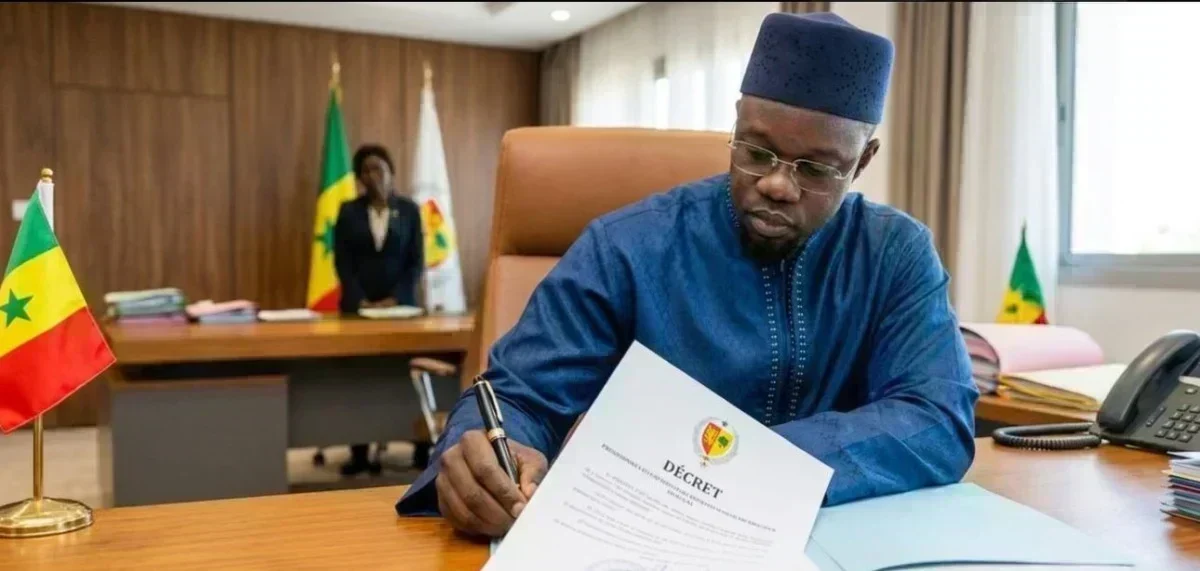
For President Bassirou Diomaye Faye, dissolution offers a chance to reclaim a parliamentary majority through early elections, strengthening Kiiraay’s political standing ahead of 2027 local polls. Yet the gamble is immense: Kiiraay, founded in July 2026, has no electoral track record. A defeat would leave the president governing with a hostile Assembly for the remainder of his term, compounding governance challenges.
Ousmane Sonko’s Pastef party currently holds 130 of 165 Assembly seats, leaving little room for numerical gains. However, the opposition sees opportunity in a premature election, viewing it as a referendum on the president’s legitimacy following the 2024 rupture. Sonko’s party is mobilizing aggressively, launching nationwide membership drives to solidify grassroots support ahead of any vote.
For smaller parties, a snap election could mean resurgence. The fragmented 2024 opposition faces a choice: align tactically with either Kiiraay or Pastef, or attempt independent mobilization. The stakes are high—representation hinges on navigating a binary political landscape where both major blocs claim post-2024 reformist credentials.
Countdown to arbitration
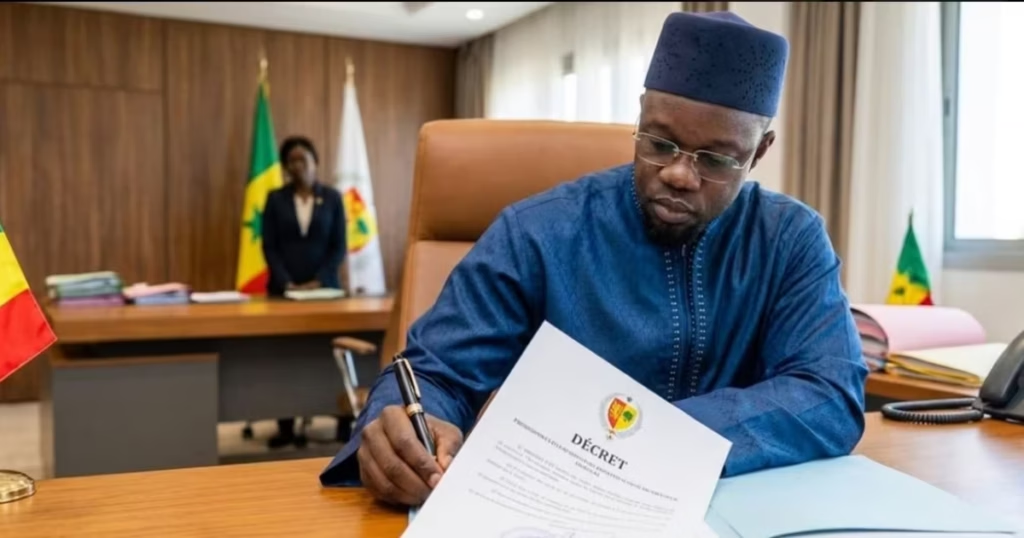
The December 2 marker does not signify immediate action. It signals the moment when dissolution shifts from theoretical to plausible. The president may dissolve Parliament at will, delay for strategic reasons, or maintain the threat as leverage over recalcitrant deputies.
Before any decision, the government’s presentation of the revised 2026 finance bill and 2027 budget will reveal the depth of parliamentary resistance. These documents could determine whether the president opts for electoral reset or prolongs the cohabitation stalemate.
The coming months will clarify whether December 2 triggers a political reset or prolongs a high-stakes power struggle in Senegal’s capital and beyond.