RTS 1’s decision not to broadcast constitutional review sparks controversy in Sénégal
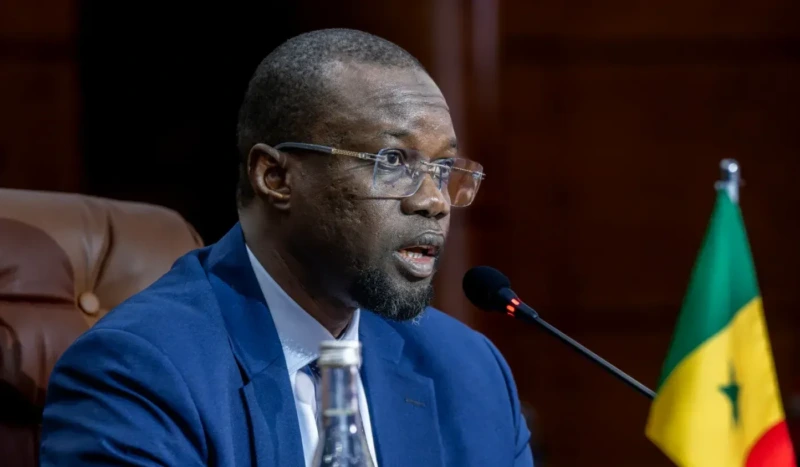
A recent choice by RTS 1, the national broadcaster, to omit live coverage of a crucial constitutional revision session has ignited a firestorm across social media platforms. As online users vehemently challenge what they perceive as a contentious editorial strategy, the broader discussion surrounding media treatment of institutional affairs in Sénégal intensifies.
The media’s handling of the constitutional revision process continues to fuel significant debate within Sénégal. On Monday, June 29, 2026, the public channel RTS 1 once again found itself under scrutiny after making the decision not to broadcast live the plenary session dedicated to reviewing proposed constitutional amendment bill n°17/2026.
This absence of live transmission immediately sparked a wave of reactions across social networks, with numerous internet users denouncing the editorial choice as selective, and potentially politically motivated. On X (formerly known as Twitter), comments proliferated rapidly in the moments following the commencement of parliamentary proceedings.
Some users openly voiced their bewilderment regarding this decision. Others interpreted it as a deliberate tactic to marginalize specific political figures from public discourse, particularly questioning the visibility granted to interventions associated with Ousmane Sonko within the institutional media landscape.
“Plenary session – Examination of constitutional revision bill n°17/2026,” was the simple message relayed by the account Maps Cissé, notably without any corresponding television broadcast on the public channel. This observation quickly inflamed online discussions.
Across social media, reactions ranged from weary resignation to outright condemnation. Some internet users suggested that “this is no longer a surprise,” while others criticized the normalization of such limited media coverage for institutional events of this magnitude. Messages widely expressed included sentiments of a “predictable decision,” “disappointment,” and a “persistent incomprehension” concerning the role and responsibilities of public television.