Reactions pour in after Chad’s Klessoum pardon frees 150 inmates — what happens next?
The release of 150 prisoners from Klessoum remand prison under a collective sentence remission decree has triggered a wave of public debate across Chad, with families celebrating while observers ask what the move signals for the country’s justice system.
By Hassan Abderamane
The release of 150 prisoners from the Maison d’arrêt et de correction de Klessoum on Wednesday 16 September 2026, executed under Decree No. 2151/PR/2026, has set off a broad conversation in Chad about clemency, prison conditions and what the measure means for the country’s judicial trajectory.
Inside the ceremony that emptied Klessoum’s cells
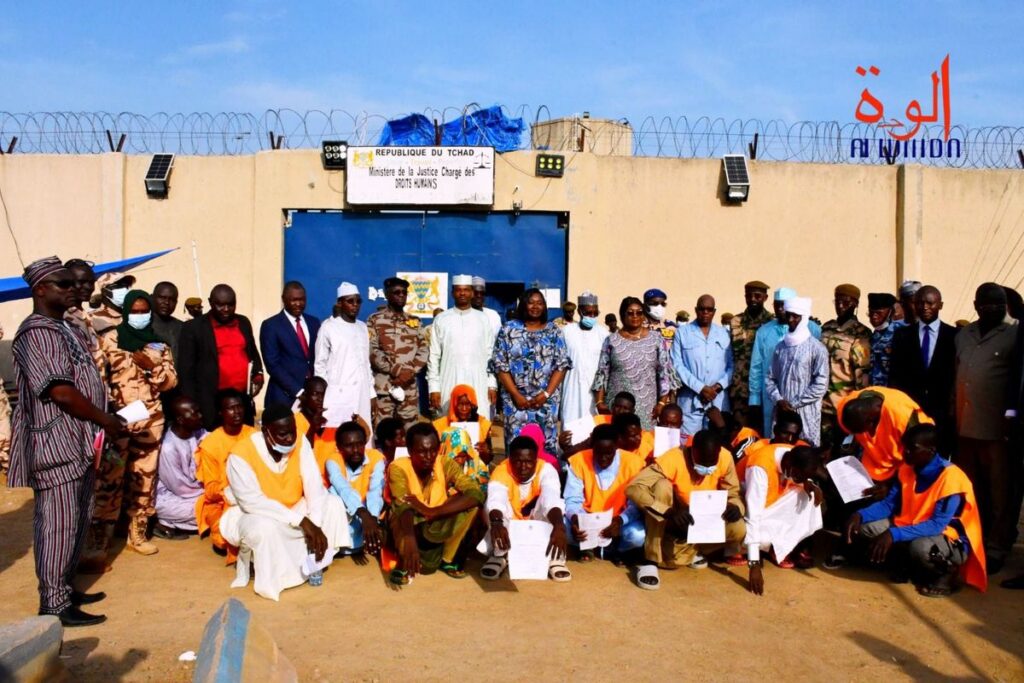
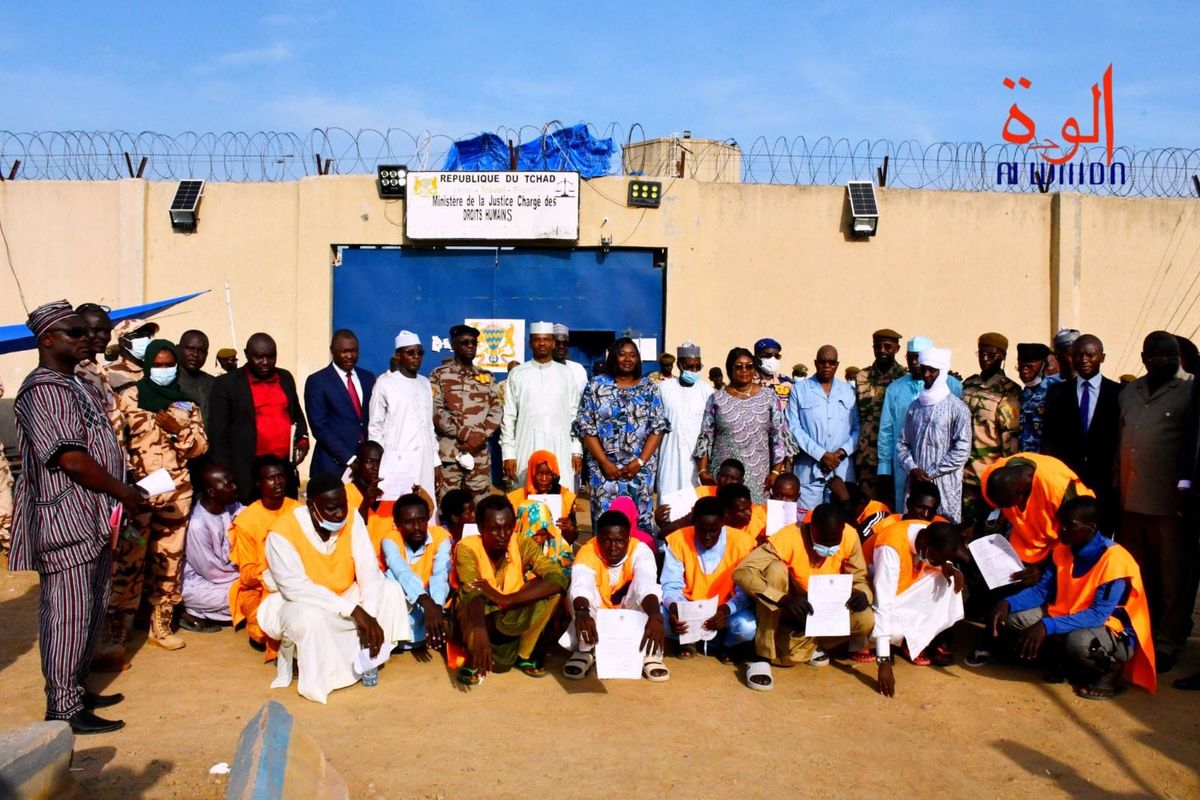
Justice Minister and Keeper of the Seals, Ndolenodji Alixe Naïmbaye, presided over the official handover of collective sentence remissions to convicted inmates at the Klessoum facility. The event drew the Public Prosecutor at the N’Djamena High Court, the President of the N’Djamena High Court, the Prosecutor General at the N’Djamena Court of Appeal, the Secretary General of the Ministry of Justice, as well as commanders of the defence and security forces and civil society representatives.
The tangible outcome was immediate: 150 detainees walked free under the terms of the decree.
A tribute to presidential clemency
In her address, the Justice Minister paid warm tribute to the Head of State, who she said had chosen to extend clemency on grounds of humanity and fairness to citizens facing final and enforceable criminal rulings. “For the Marshal of Chad, every citizen deserves competent, swift, accessible and equitable justice,” she declared.
Naïmbaye reminded the audience that pardon is a sovereign prerogative rooted in the constitution, one the President of the Republic has used on numerous occasions to benefit thousands of convicts — either by fully remitting their sentences or substituting lighter ones. She framed Decree No. 2151/2026 of 14 August 2026 as an act of compassion and humanism rather than a mere event. “This is a high point in which some of our fellow citizens with final ordinary-law convictions will benefit from a partial, phased reduction of their custodial sentences, or even release,” she said, saluting the decision.
The mechanics of the remission and its limits
Applying the legal scale set out in the regulatory text triggered the automatic release of 150 detainees whose remaining sentences were deemed fully served.
The Minister stressed that the decision meets core public policy requirements for justice and prison administration on several fronts: it reflects a stated commitment to more humane detention conditions and a pragmatic adjustment of sentence enforcement, while also constituting targeted but meaningful clemency.
She was careful to draw a clear boundary. The measure applies exclusively to the custodial component of a sentence and cannot extinguish the rights of the State, civil parties or third parties.
Speaking on behalf of the government, she reaffirmed the ministry’s determination to continue modernising judicial institutions and consolidating the rule of law, with the support of partners whose steady engagement she also acknowledged.
Release certificates and a moment to remember
During the ceremony, release certificates were handed to the now-former detainees who benefited from the pardon under Decree No. 2151/PR/2026. Joy and emotion marked the occasion, which closed with a group photo to capture the moment.