Diplomacy
Powerful rivals of Morocco in African religious influence
From mosque expansions to religious leader training and humanitarian aid, Gulf and regional powers are deploying vast financial resources in Africa. While Morocco once held significant influence, its competitors now wield unprecedented economic leverage. Yet, the long-term impact of these strategies remains uncertain.
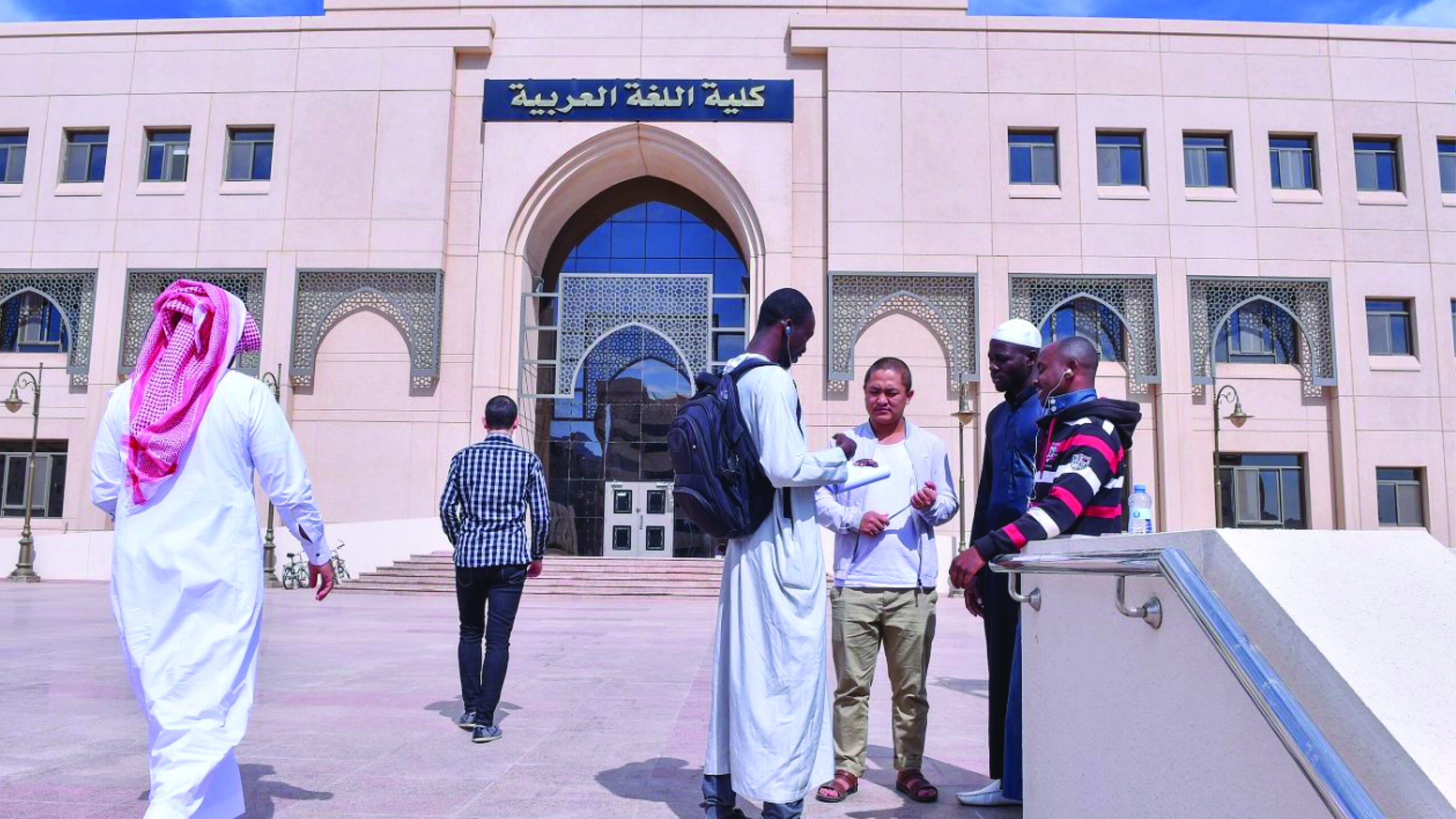
For decades, Morocco maintained a dominant position in African religious diplomacy through its centuries-old Islamic heritage and strategic investments across the continent. However, recent years have seen a dramatic shift as several Gulf and regional actors leverage their substantial financial resources to expand their own religious influence across Africa.
Financial muscle meets religious expansion
Saudi Arabia, Qatar, Turkey, and Iran have each adopted distinct but equally ambitious strategies to project their religious and cultural presence in Africa. These nations are not merely investing in bricks and mortar—they are cultivating entire networks of mosques, religious schools, and charitable organizations designed to shape spiritual and ideological allegiances.
Saudi Arabia, in particular, has undergone a remarkable transformation in its religious outreach. Through initiatives such as the construction of new mosques, the establishment of Islamic educational institutions, and the funding of religious leaders’ training programs, Riyadh has significantly expanded its footprint. The Kingdom’s efforts are complemented by substantial humanitarian aid, including food distribution and healthcare services, which are often delivered in tandem with religious messaging.
Qatar has similarly prioritized religious influence as part of its broader soft power strategy. By financing mosque constructions, supporting religious education, and sponsoring Islamic cultural events, Doha has positioned itself as a key player in Africa’s religious landscape. The country’s approach is characterized by a blend of state-led initiatives and partnerships with local Islamic organizations, allowing for a more organic integration into African societies.
Turkey, leveraging its Ottoman legacy and modern economic strength, has also entered the fray with vigor. Ankara’s strategy combines religious outreach with broader economic and diplomatic engagement. Turkey’s Diyanet İşleri Başkanlığı (Directorate of Religious Affairs) plays a central role, sending imams to African countries, funding mosque renovations, and organizing cultural and educational exchanges. These efforts are often framed within a narrative of shared Islamic heritage and mutual cooperation.
Meanwhile, Iran has adopted a more clandestine yet equally determined approach. Through the Islamic Revolutionary Guard Corps and affiliated organizations, Tehran has established a network of religious and cultural centers across Africa. These centers serve as hubs for proselytization, political mobilization, and financial support to local Shia communities, often in direct competition with Sunni-led initiatives.
A shifting balance of power
The aggressive religious expansion by these nations has not gone unnoticed in Rabat. Morocco, long considered the continent’s spiritual leader in matters of Islam, now faces a formidable challenge to its traditional dominance. While Morocco’s religious diplomacy remains rooted in its historical ties to Africa and its role as the custodian of the prestigious Al-Qarawiyyin University in Fez, the competition has intensified in both scale and sophistication.
One critical factor in this competition is the sheer volume of financial resources being deployed. Gulf states, flush with oil revenues, have the capacity to fund large-scale projects that smaller African nations find difficult to resist. The allure of foreign investment, coupled with religious and humanitarian incentives, creates a powerful incentive for African governments to welcome these initiatives.
However, the long-term success of these strategies is far from guaranteed. While financial investments can yield immediate gains in terms of visibility and influence, the true measure of success lies in the depth of ideological penetration and the sustainability of these projects. Religious influence is not merely about the number of mosques built or the number of imams trained—it is about winning the hearts and minds of local populations over the long term.
Challenges and uncertainties
Several factors could undermine the efforts of Morocco’s rivals. First, the political and security instability in many African regions poses a significant risk to the sustainability of these religious projects. Second, the growing skepticism among local populations toward foreign religious influence—particularly when it is perceived as an extension of geopolitical ambitions—could dilute the impact of these initiatives.
Moreover, the religious and cultural nuances of Africa’s diverse Muslim communities mean that a one-size-fits-all approach is unlikely to succeed. Morocco, with its centuries-old tradition of Maliki Islam and its emphasis on tolerance and moderation, may still hold a competitive edge in regions where local populations value these principles.
Ultimately, the battle for religious influence in Africa is far from settled. While Saudi Arabia, Qatar, Turkey, and Iran have made significant inroads, the outcome will depend on a complex interplay of financial resources, cultural sensitivity, and the evolving priorities of African societies.