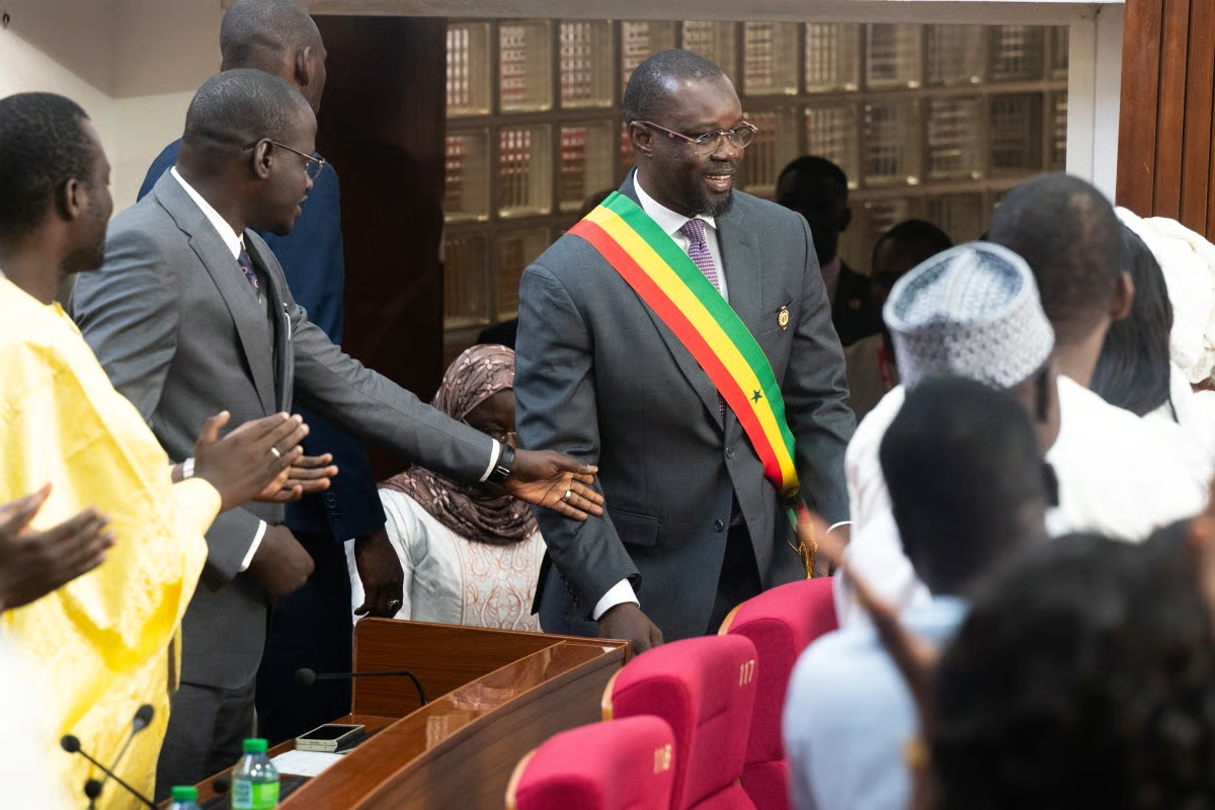
In a rapid turn of events, Ousmane Sonko, who was dismissed as Prime Minister by President Bassirou Diomaye Faye on May 22, has been elected President of Senegal’s National Assembly on May 26. The session, which began at 9:00 AM, concluded swiftly, with Sonko delivering his inaugural address to his new colleagues.
Sonko, widely known among his peers as the “guardian of the revolution,” assumed his new role during a morning session that drew immediate attention from both supporters and critics alike.
The election comes just days after his removal from the prime ministerial position, marking a significant shift in Senegal’s political landscape.
The swift transition has fueled debates across the country, with opposition groups already questioning the legitimacy of the process, labeling it a “sham” and a “travesty of democracy.”
Reactions and controversies
The opposition’s response was swift and vocal. Critics argue that the election was rushed through without adequate transparency, raising concerns about procedural fairness. Some political analysts suggest that the timing of Sonko’s election—just days after his dismissal—raises questions about the underlying motives.
Supporters, however, view his election as a triumph of democratic principles and a reflection of Sonko’s growing influence in Senegalese politics. They point to his grassroots appeal and his role in reshaping the political narrative in the country.
What’s next for Senegal?
With Sonko now at the helm of the National Assembly, many are speculating about the future direction of Senegal’s government. His leadership style and political agenda are expected to play a pivotal role in shaping the country’s policies in the coming months.
The opposition’s accusations of electoral misconduct add another layer of complexity to an already tense political environment. As Senegal navigates these changes, the international community will be closely watching the developments.