Niger’s transitional leadership is embracing a new era of pragmatic decision-making under the guidance of General Abdourahamane Tiani. This strategic pivot reflects a commitment to addressing the nation’s most pressing challenges with measured, solution-oriented approaches rather than ideological posturing.
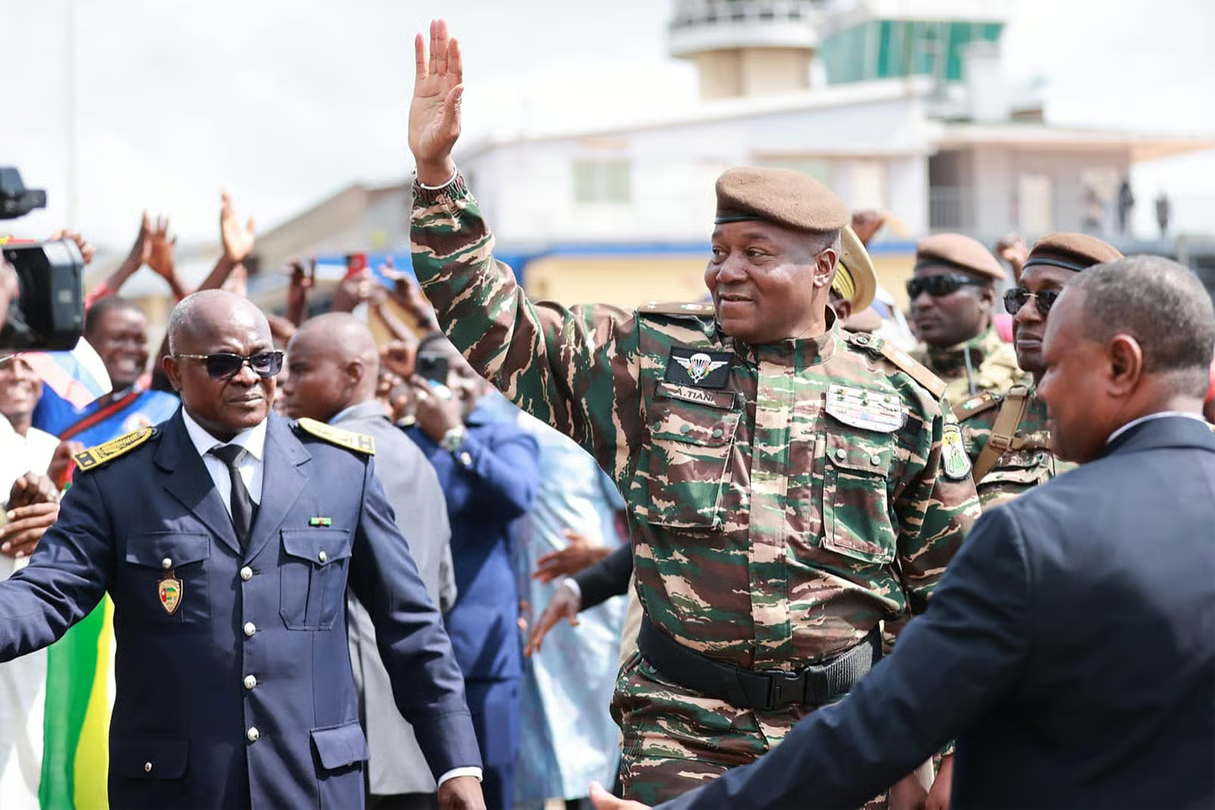
From military rule to pragmatic governance
Since assuming leadership in Niger, General Tiani has demonstrated a clear preference for pragmatic governance over rigid ideological frameworks. His administration is prioritizing stability, economic recovery, and regional security—key priorities that have defined his transitional agenda.
Key policy shifts under Tiani’s leadership
- Economic stabilization: Efforts to revitalize Niger’s economy include fostering stronger trade partnerships and reducing reliance on external aid through domestic policy reforms.
- Regional cooperation: Tiani has reaffirmed Niger’s commitment to the Alliance of Sahel States, emphasizing collective security and shared economic development among member nations.
- Diplomatic realignment: A balanced foreign policy approach seeks to strengthen ties with both traditional partners and emerging global players, ensuring Niger’s interests remain central in international discussions.
Challenges on the path to pragmatic governance
While Tiani’s leadership marks a shift toward pragmatism, navigating Niger’s complex political landscape remains a formidable task. Key challenges include:
- Balancing domestic expectations with regional obligations.
- Addressing security concerns while fostering economic growth.
- Maintaining cohesion within the Alliance of Sahel States amid divergent national priorities.
General Tiani’s ability to deliver tangible results will determine the long-term success of this pragmatic approach, particularly in a region where stability is often elusive.
Looking ahead: Niger’s future under pragmatic leadership
As Niger transitions toward a more pragmatic governance model, the focus remains on sustainable development and regional security. General Tiani’s leadership is positioning the country to play a more assertive role in shaping the Sahel’s future, provided critical challenges are met with decisive action.