From promises to hardship: the evolution of Niger’s security crisis
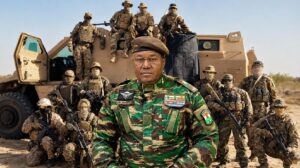
On July 26, 2023, General Abdourahamane Tiani seized power in Niger, citing an uncontrollable security crisis as justification. Three years later, the reality starkly contrasts with the initial declarations. While the coup leader pledged to restore safety and stability, the country now faces a deepening spiral of insecurity, economic decline, and diplomatic isolation. A closer look at the situation reveals a nation trapped in a cycle of escalating challenges.
Security promises unmet: the escalation of threats
The military junta justified its takeover by vowing to combat insecurity more effectively than the previous civilian administration. Yet, the security landscape has deteriorated rather than improved. Armed groups linked to the Jama’at Nusrat al-Islam wal Muslimin (JNIM) and the Islamic State in the Greater Sahara (ISGS) have expanded their operations across multiple regions.
The nature of attacks has also shifted dramatically. No longer confined to military outposts, insurgents now target:
- military and logistical convoys;
- civilian villages and populations;
- key road networks;
- economic infrastructures;
- supply chains.
Entire communities live under constant threat, severely restricting movement, agricultural activities, and access to essential services. The consequences are dire:
- abandonment of farmlands;
- decline in domestic trade;
- school closures in conflict zones;
- limited healthcare access;
- a surge in internally displaced persons.
The human toll continues to mount, with rural populations bearing the brunt of a conflict that shows no signs of abating.
Military spending soars, but gains on the ground remain elusive
To counter the insurgency, the government has allocated a growing share of public funds to the defense sector. Despite this financial commitment, tangible improvements on the battlefield have been minimal. The armed forces face overwhelming challenges:
- vast, difficult-to-control territory;
- multiple active fronts;
- highly mobile terrorist groups;
- significant logistical hurdles.
The relentless pressure has led to:
- increased personnel fatigue;
- accelerated wear and tear on equipment;
- rising operational costs.
Each new attack underscores the limitations of a strategy overly reliant on military force, ignoring the economic, social, and territorial roots of the crisis.
Economic woes deepen amid regional and diplomatic strains
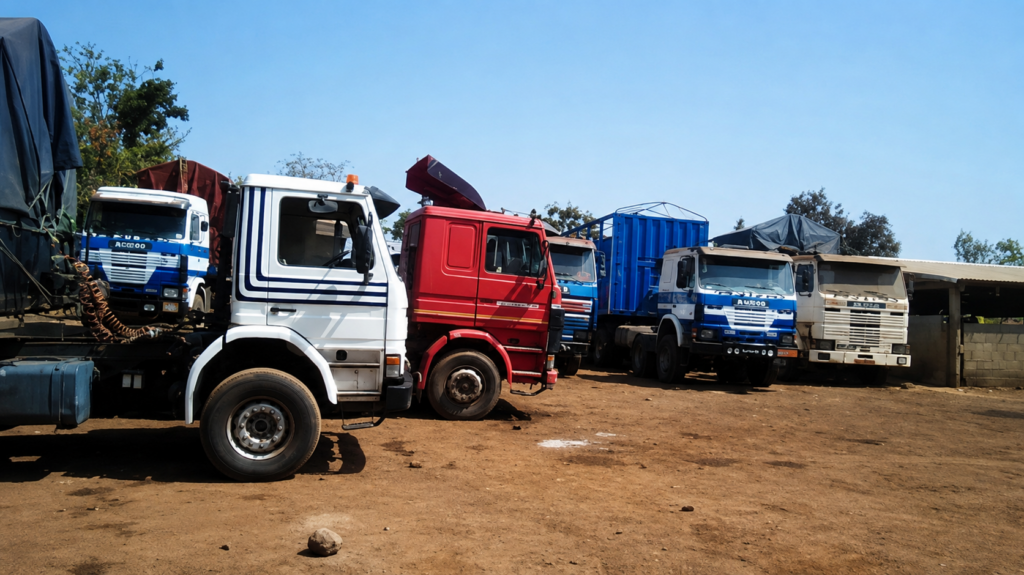
Niger’s economy, heavily dependent on regional trade, has been severely disrupted by border closures and diplomatic tensions, particularly with Bénin. The historic Cotonou-Niamey trade corridor, a cornerstone of the country’s commerce, has been paralyzed, resulting in:
- prolonged supply delays;
- soaring transportation costs;
- frequent stock shortages;
- rising consumer prices.
Families are feeling the pinch, with staple foods, medicines, construction materials, and other essentials becoming increasingly unaffordable. Traders and transporters, particularly in border cities like Gaya, have seen their livelihoods evaporate, further straining state revenues and public investment capacity.
The stalled Niger-Bénin pipeline project and its ripple effects
The Agadem-Sèmè oil pipeline, once hailed as a transformative project to fund national development, now hangs in the balance. Diplomatic friction with Bénin has cast a shadow over this initiative, deterring potential investors who prioritize stability for long-term ventures. What was meant to be an engine of growth has instead become a symbol of uncertainty.
Diplomatic realignment: sovereignty vs. isolation
The military regime has overhauled Niger’s foreign policy, severing long-standing ties with Western partners and pivoting toward Russia and the Alliance of Sahel States (AES), alongside Mali and Burkina Faso. While this shift has been framed as a quest for regained sovereignty, the tangible benefits remain elusive. The country now grapples with:
- reduced international financing;
- diminished technical cooperation;
- strained relations with neighboring states;
- limited access to regional mechanisms.
The pursuit of autonomy has, ironically, ushered in new dependencies—this time with Moscow—raising questions about the true extent of the country’s strategic independence.
Public services under strain: the human cost of prioritizing security
The redirection of funds toward military efforts has left other sectors, including education and healthcare, severely under-resourced. Schools lack infrastructure, hospitals face supply shortages, and public investment projects are delayed. This imbalance risks exacerbating the very conditions that fuel insecurity, creating a vicious cycle where military spending crowds out development needs.
A fragile social fabric in the grip of economic hardship
Beyond macroeconomic indicators, the crisis is reshaping daily life for ordinary citizens. Persistent price hikes, shrinking job opportunities, and declining incomes—especially in border regions—are eroding social cohesion. Vulnerable households, already stretched thin, face mounting uncertainty about their economic future.
The paradox of governance: security, sovereignty, and survival
Three years after the coup, Niger finds itself in a paradoxical situation. The junta arrived in power promising security, sovereignty, and improved living standards. Yet the evidence points to a country mired in deeper insecurity, economic stagnation, fiscal strain, and diplomatic isolation. The heavy focus on military solutions, compounded by regional tensions and structural economic weaknesses, has entrenched a cycle where each crisis magnifies the others, making a way out increasingly elusive.