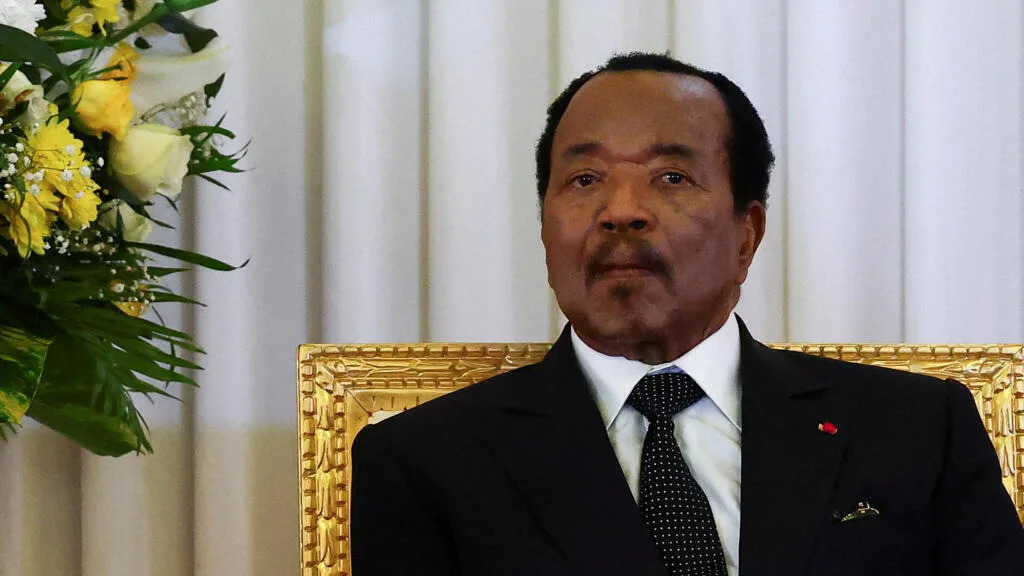
Cameroun: l’absence prolongée de Paul Biya continue de susciter interrogations et inquiétudes
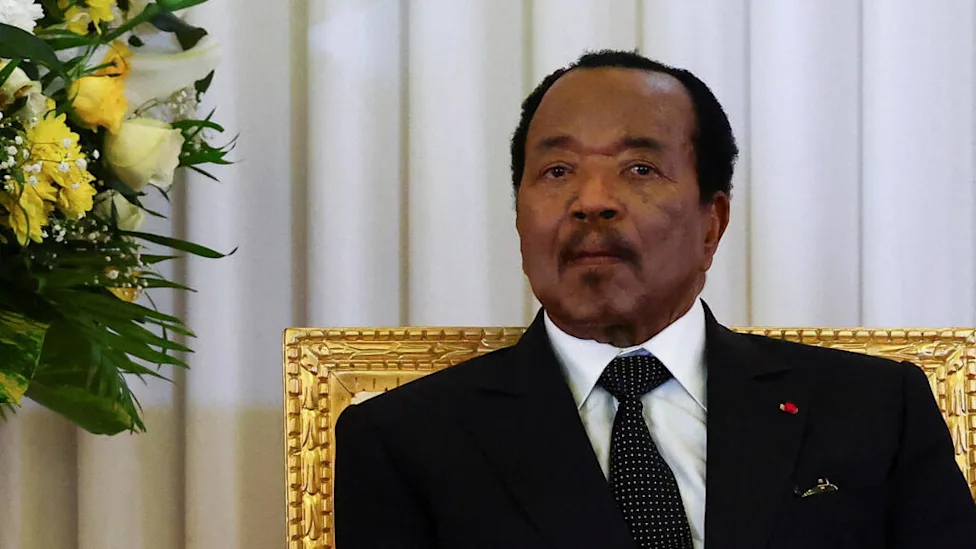
The extended two-month absence of President Paul Biya, occurring just eight months into his eighth consecutive term, marks an unparalleled period of public disappearance for the Cameroonian leader.
Despite the unusual duration, Benoit Ndong Soumeth, a Minister of State at the Presidency, maintains that the situation remains within legal bounds. He stated, “A populace may, out of affection, feel the need to understand what is happening with their leader. The Minister, Director of the Civil Cabinet, has confirmed that all is well. His assurance should calm everyone. There are no issues. We are not facing an exceptional or urgent circumstance.”
Conversely, Roger Justin Noah, the first deputy secretary-general and interim national communication secretary for Maurice Kamto’s opposition party, the MRC, views the lack of clarity surrounding the President’s stay in Europe as a profound disrespect towards the Cameroonian populace.
The cameroonian people deserve to know
“Why manipulate the electoral process only to then spend weeks and weeks outside our nation?” Noah questioned. He emphasized, “Should there be health concerns, the Cameroonian people are entitled to be informed; there is no justification for maintaining ambiguity regarding the President’s health status.”
Cabral Libii, who finished third in the October presidential election, dismisses the controversy as unnecessary. For him, the real focus should be on the political horizon of the first quarter of 2027. “I am among those who believe there is no significant distinction between his presence abroad and his presence in Cameroon. Whichever way you look at it, from a legal standpoint, Cameroon currently faces a legal void. I urge everyone: as we approach legislative and municipal elections, let us turn out en masse to vote against this regime,” the opposition figure declared.
The PCRN deputy expresses hope for a potential shift in the parliamentary majority, which could then facilitate amendments to the laws governing presidential overseas visits.