The sudden collapse of uranium output at SOMAÏR, the historic mining firm long run by France’s Orano, has triggered a wave of international reactions and set the stage for a new era in Niger’s uranium industry. As global observers weigh the fallout, a $414 million American investment in the Dasa project has emerged as the unexpected centerpiece of the country’s mining future, sparking debate over sovereignty, foreign influence, and what comes next.
The paralysis of SOMAÏR and the rupture with France
SOMAÏR’s production has plummeted by more than 80% of its nominal capacity, a freefall caused by export routes being blocked, the closure of borders with Benin, and the inability to move yellowcake uranium concentrate to the port of Cotonou. This logistical and financial chokehold pushed Orano to suspend operations, and eventually Niger’s transitional government revoked the mining permits and took control of the site. For authorities in Niamey, SOMAÏR had become a symbol of an outdated neocolonial model they were determined to break away from—even at the cost of an almost complete shutdown of this historic mine.
Dasa steps in: American pragmatism fills the gap
While SOMAÏR’s uranium remains stranded or underutilized, the Dasa project, spearheaded by Canada’s Global Atomic, is rapidly becoming the new backbone of Niger’s mining sector. The deposit boasts some of the highest uranium grades in the world, and its output is poised to compensate for SOMAÏR’s lost volumes on the international market. Washington’s $414 million injection through the U.S. International Development Finance Corporation (DFC) signals a clear message: where French players like Orano have been sidelined by political disputes with the junta, the United States is securing its future supplies through financial structures and North American companies perceived as more neutral by Niger’s leadership.
The reconfiguration of mining sovereignty
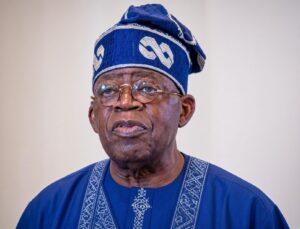
This unfolding dynamic reveals a paradox for General Tiani’s regime. Its heavy-handed, military-first approach has left it boxed in, forcing it to turn to European and American investments—the very actors it once criticized when it came to power. The result is a delicate balancing act: asserting sovereignty while depending on foreign capital to keep the uranium sector alive.
What lies ahead: debate and uncertainty
The shift from SOMAÏR to Dasa is fueling a broader conversation about Niger’s place in the global uranium market. Supporters see it as a pragmatic realignment that could stabilize revenues and attract new partners. Critics warn that replacing one foreign dependency with another does little to advance true economic independence. As the dust settles, the world watches to see whether Dasa can truly replace the iconic SOMAÏR—and what that means for Niger’s sovereignty, its economy, and its role on the world stage.