N’Djamena tackles chaotic minibus stops for safer roads
Unregulated minibus stops in N’Djamena are fueling traffic chaos and safety hazards. City officials and transport stakeholders are pushing for structured solutions to restore order.
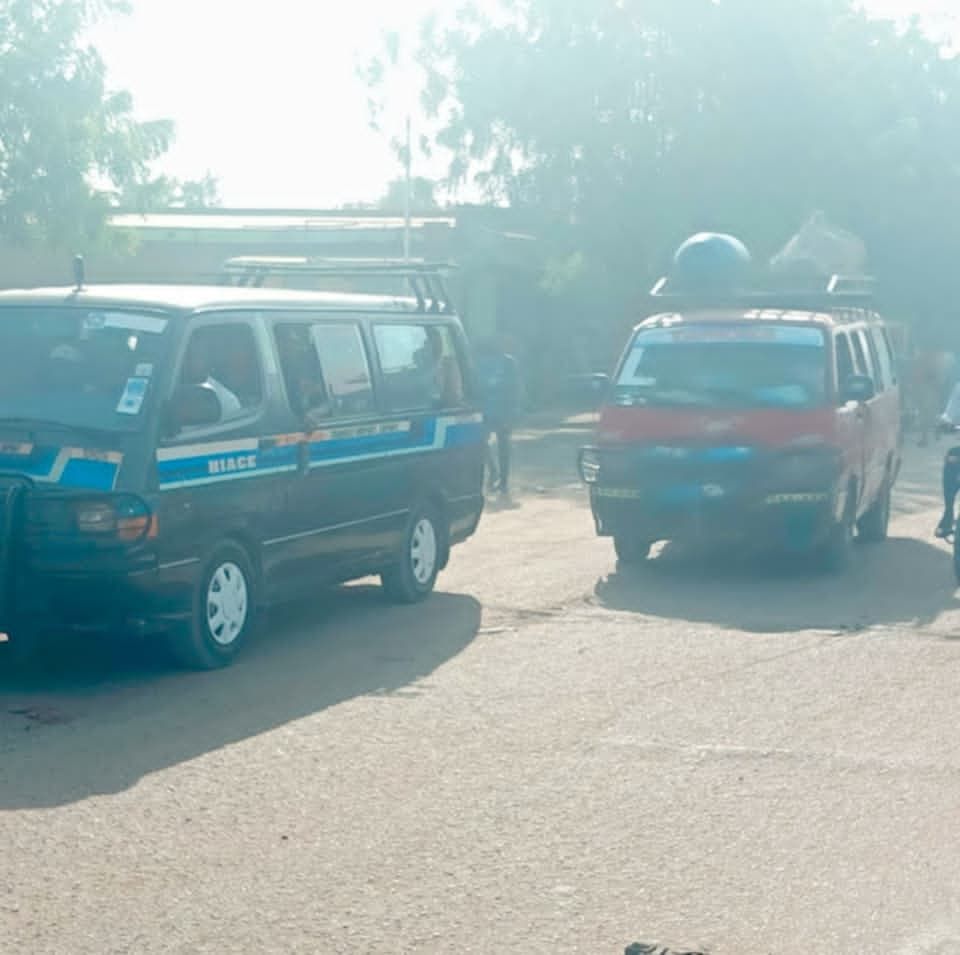
N’Djamena’s rapid urban expansion has spotlighted a critical challenge: the unregulated minibus network that serves as the city’s lifeline. These clandos, as locals call them, operate in a legal gray area, with no designated stops to pick up or drop off passengers.
The consequences are clear. Drivers pull over anywhere—often in active traffic lanes—creating bottlenecks, pedestrian hazards, and a constant stream of near-misses. During peak hours, the scene becomes a free-for-all, with vehicles weaving between stopped minibuses while passengers dart across chaotic roads.
Urban planners warn that this unstructured approach not only endangers lives but also stifles economic efficiency. Studies from similar African cities show that standardized transit stops reduce accidents by up to 40% while improving travel times. In N’Djamena, the lack of such infrastructure forces commuters to endure unpredictable delays and heightened risks daily.
Designing a solution for safer streets
The proposed fix is straightforward: establish clearly marked minibus stops every 150 to 200 meters along major routes. These zones would include:
- Dedicated parking bays to prevent traffic obstructions
- Basic shelters to protect passengers from the elements
- Signage to guide both drivers and commuters
But infrastructure alone won’t suffice. Transport authorities must collaborate with clando operators and local communities to enforce new rules. Sensitization campaigns could shift ingrained habits, while municipal oversight ensures compliance. Pilot projects in districts like Gassi and Mbololo could serve as models for broader rollout.
A model for Africa’s growing cities
N’Djamena is not alone in this struggle. Cities from Ouagadougou to Kampala have faced similar crises—and many have succeeded by prioritizing transit regulation. The key lies in balancing flexibility for operators with the need for order. Small steps, like installing speed bumps near proposed stops, can further deter reckless driving.
For a capital where the population swells by thousands each year, addressing mobility now is essential. Structured minibus stops won’t just tame traffic—they’ll redefine how N’Djamena moves forward.