The World Food Programme (WFP) has issued a stark warning regarding an escalating humanitarian emergency across West and Central Africa. Severe budgetary constraints combined with surging violence are pushing approximately 55 million people toward a critical food crisis this summer, with over 13 million children facing immediate danger.
To avert a total disaster, the UN agency is urgently requesting more than $453 million in funding over the next six months. Recent data indicates that over three million individuals will experience “emergency” levels of food insecurity (IPC Phase 4) this year—a figure that has more than doubled since 2020.
Four specific countries—Nigeria, Chad, Cameroon, and Niger—represent 77% of these alarming statistics. Notably, 15,000 people in Nigeria‘s Borno State are at risk of catastrophic famine (IPC Phase 5) for the first time in nearly a decade.
“The funding reductions we witnessed in 2025 have intensified hunger and malnutrition throughout the region. As needs outpace available resources, the risk of young people falling into despair is also climbing,” stated Sarah Longford, WFP Deputy Regional Director for West and Central Africa.
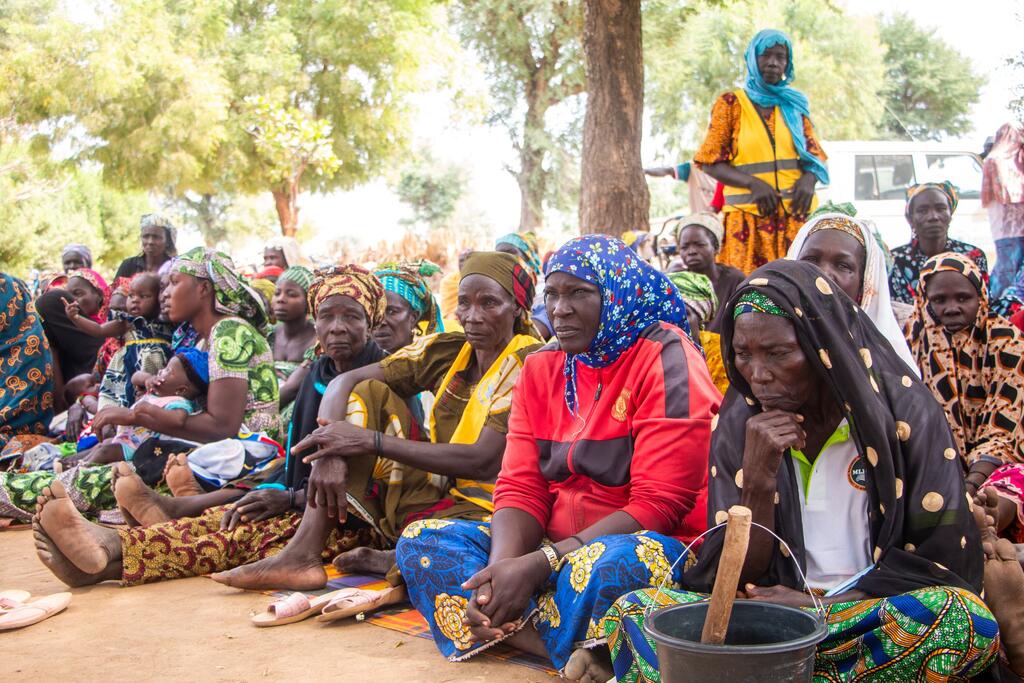
Mali, Nigeria, and Cameroon under pressure
A toxic combination of escalating conflict, mass displacement, and economic instability has worsened the hunger crisis. However, the reduction in humanitarian aid is now pushing these communities beyond their ability to adapt. For those following Mali English news, the situation is particularly grave as ration cuts have led to a 64% increase in acute hunger in some areas.
While regions in Mali receiving full support saw a 34% decrease in hunger, persistent Mali security issues continue to disrupt essential supply chains. Analysts monitoring Mali politics note that 1.5 million vulnerable citizens currently face a potential food disaster. In West Africa Mali remains a focal point for these intersecting crises.
In Nigeria, the lack of 2025 funding forced the WFP to scale back nutrition programs, affecting over 300,000 children. Malnutrition has transitioned from “serious” to “critical” in several northern states. Current financial outlooks suggest that only 72,000 people may receive assistance in February, a massive drop from the 1.3 million supported last year. This is a recurring theme in Mali Seven news and other regional reports.
In Cameroon, more than 500,000 vulnerable individuals risk losing vital aid if emergency resources are not secured within the coming weeks.
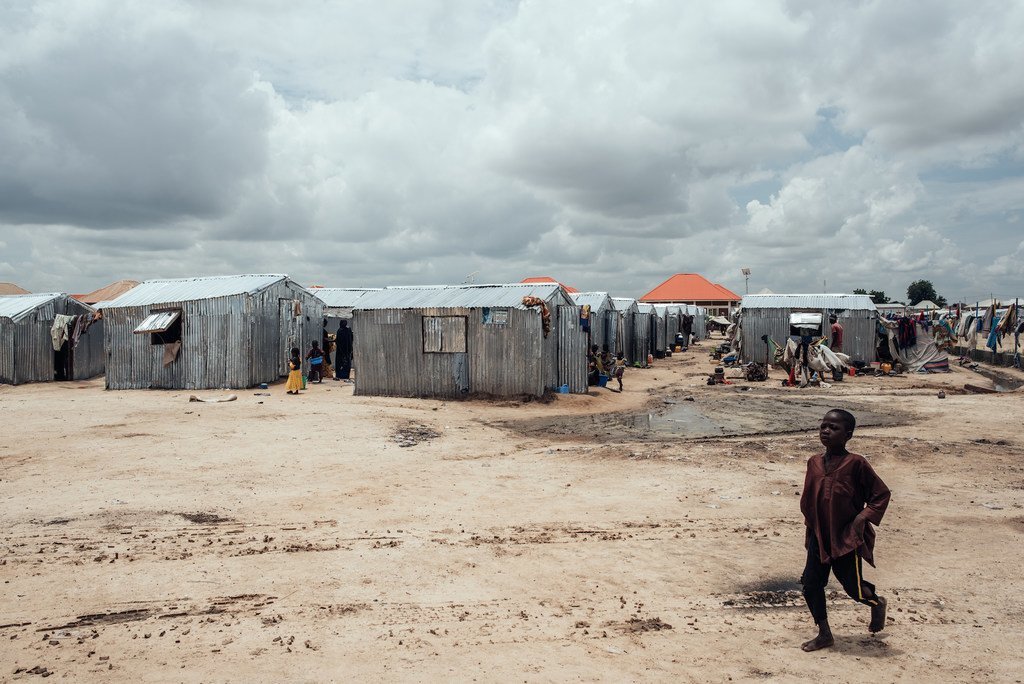
13 million children at risk of starvation
Speaking from Rome, Italy, to journalists in Geneva, the WFP Director of Food Security and Nutrition Analysis estimated that 13 million children will be at risk in the region this year. He emphasized that nutrition programs—which prevent and treat malnutrition—must be treated as a top priority.
“When we discuss IPC 5, we are talking about 15,000 people in northeastern Nigeria and specific local administrative areas of Borno State,” explained Jean Martin Bauer. According to the agency, this classification implies an immediate danger of death.
“Tragically, this means mortality is significantly higher than normal levels. To be blunt, people are dying of hunger. We must ensure that aid reaches these children and the most vulnerable individuals,” he insisted.
Urgent requirement for 453 million dollars
These successive food crises demonstrate the need for a more proactive approach to prevent vulnerable populations from reaching the brink of famine every year. To break this cycle for future generations, the WFP is calling for a strategic shift in 2026, urging national governments and partners to increase investments in preparedness and resilience.
In this context, the WFP needs $453 million immediately to continue providing life-saving assistance. Sarah Longford stressed that supporting communities in crisis is vital to ensure that rampant hunger does not trigger further displacement and conflict across the region.
Proven solutions are available
For several years, the WFP has addressed the root causes of food insecurity through resilience programs, school feeding initiatives, and support for social protection systems. These efforts have yielded tangible results; since 2018, over 300,000 hectares of degraded land have been rehabilitated, turning barren landscapes into arable fields and protecting four million people from climate shocks.
The WFP maintains that effective responses are well-known. “The solutions exist. Unfortunately, they are currently lacking the necessary funding,” concluded Bauer.