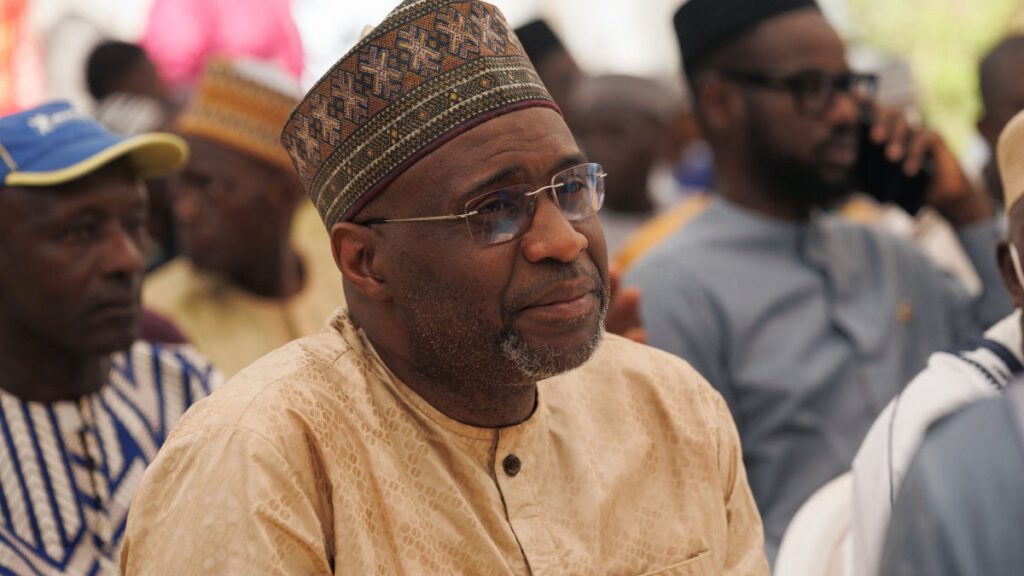
In a courtroom in Bamako, the capital of Mali, former Prime Minister Moussa Mara listened as judicial authorities denied his request for provisional release. The prosecution has called for a two-year prison sentence, a move that highlights the ongoing crackdown by the military junta against political opponents and dissenting voices.
Moussa Mara, who served as head of government for eight months between 2014 and 2015, was taken into custody by security forces on August 1. His arrest followed a digital post where he expressed support for Mali’s political prisoners and advocated for their right to justice.
The state has leveled several charges against him, including undermining state credit, resisting lawful authority, inciting public disorder, and spreading misinformation. His trial began in late September before a specialized cybercrime tribunal, with a final judgment expected in late October. Observers have raised significant doubts regarding the impartiality and fairness of these proceedings.
Legal experts suggest the charges are a direct assault on free speech. “These allegations bear no relation to the actual content Mara shared online,” noted a member of his defense team. Bar Association President Mounkaïla Yayé, also representing Moussa Mara, characterized the situation as a trial targeting the fundamental right to express one’s opinions, warning that it could set a hazardous precedent for the country.
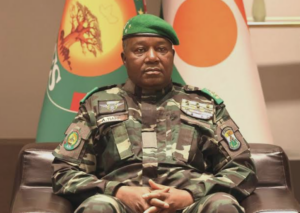
Since seizing control in a 2021 coup, the military administration led by General Assimi Goïta has systematically restricted Mali‘s political and civic landscape. This period has been marked by the prohibition of political parties and the intimidation, imprisonment, or enforced disappearance of human rights defenders and journalists. General Goïta has maintained his grip on power by avoiding elections, thereby stalling the transition back to a democratic civilian government.
Furthermore, the junta has consistently ignored demands for accountability regarding human rights abuses. There has been a failure to investigate or prosecute serious violations committed by security personnel. The situation worsened in early 2024 when Mali, alongside Burkina Faso and Niger, withdrew from the Economic Community of West African States (ECOWAS). This exit prevents citizens from seeking justice through the ECOWAS Court of Justice. Additionally, these three nations recently declared their intention to leave the International Criminal Court (ICC), further limiting paths to justice for victims of mass atrocities.
The prosecution of Moussa Mara serves as a stark reminder that even simple gestures of solidarity are now criminalized in Mali. It reflects a total lack of tolerance for any form of opposition. It is imperative that the Malian authorities drop all charges against Moussa Mara, secure his immediate release, and end the arbitrary detention of other prisoners while restoring respect for freedom of expression.