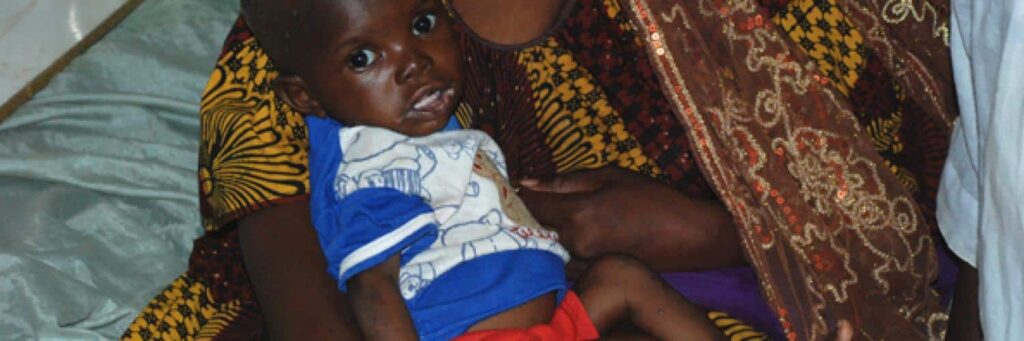
Malnutrition represents a severe public health challenge in the Sahelian nation of Mali, home to a population of 15 million. Despite recent prevention strategies, undernutrition remains entrenched in several regions, creating a dire situation that demands sustained attention.
With various areas affected by this crisis, Malian authorities have intensified their response. Nutrition is increasingly a priority for this West African country as it confronts a high child mortality rate, where nearly one in five children does not survive to their fifth birthday. This pervasive condition carries damaging consequences that unfold over the short, medium, and long term, affecting families and the nation’s future.
A primary cause of malnutrition among young children and mothers in Malian households is the short interval between births. Furthermore, a direct link exists between the size of a family and the prevalence of malnutrition, with larger households facing a greater risk.
Exceeding emergency thresholds
Rates of global acute malnutrition (both moderate and severe) are estimated at 15% among the Malian population, a figure that surpasses the international emergency level of 10%. The situation is also critical for chronic malnutrition, which affects 38% of children under five—nearly double the international alert threshold of 20%. These figures confirm that Mali is significantly beyond the emergency levels established by the World Health Organization.
Adding to the crisis, iron deficiency impacts over 80% of children under five and more than 65% of women in Mali, one of the highest rates recorded globally. This is particularly alarming because iron deficiency severely hinders intellectual development and learning capacity in children. For mothers, this deficiency can affect their child from the moment of conception, as an anemic woman has a higher probability of giving birth to a malnourished infant. Given that malnutrition affects such a large portion of the population, it stands as a major health crisis for the country.
Challenges and strategic responses
To combat malnutrition effectively, the Malian state is implementing a clear nutrition policy. This strategy is reinforced by a detailed action plan designed to improve care delivery and mobilize the necessary funding for this vital sector.
One key initiative is the recent adoption of universal salt iodization to fight iodine deficiency disorders. Currently, 79% of Malian households have access to iodized salt, though this figure still falls short of the 90% national target.
Since 2005, Nutritional Activity Intensification Weeks (SIAN) have been conducted twice a year, reaching 95% of the country. These campaigns, which target children from 6 to 59 months, have become a well-established part of community life, marking a significant success for awareness and prevention. During these weeks, the government and humanitarian organizations, including UNICEF, promote the distribution of vitamin A supplements to help prevent disease, along with deworming tablets.
These two key initiatives, part of a broader effort by the Malian government, UNICEF, and various NGOs, have contributed to a significant reduction in the nation’s infant mortality rate.
The SIAN campaigns are a component of a comprehensive community-based strategy to raise awareness about malnutrition. This in-depth work involves teaching communities how to identify the external signs of malnutrition, detect confirmed cases, and provide aid to affected children as early as possible. To enhance the impact of these efforts, partners are working to integrate malnutrition screening into routine community health activities. There is a strong emphasis on continuing to educate the public about contributing factors, such as the benefits of safe drinking water, to address the root causes of malnutrition.
In 2010, treatment coverage reached 50% for Malian children suffering from severe acute malnutrition, and this figure has been gradually increasing since.