In a heartbreaking turn of events, Abagana, the first giraffe calf born in the Gadabedji biosphere reserve, has died at just a few months old. The young animal succumbed to a severe and untreated medical condition on May 16, 2026, leaving conservationists and local communities in mourning. His loss not only marks the end of a symbol of hope for wildlife rehabilitation but also raises urgent concerns about the future of Mali’s ecotourism.
The tragic passing of Abagana has cast a shadow over the Gadabedji reserve, a jewel in Mali’s natural heritage and a key attraction for wildlife enthusiasts. As the first giraffe born in the area under a reintroduction program, he represented a milestone in efforts to restore the region’s ecological balance and boost its appeal as a premier safari destination.
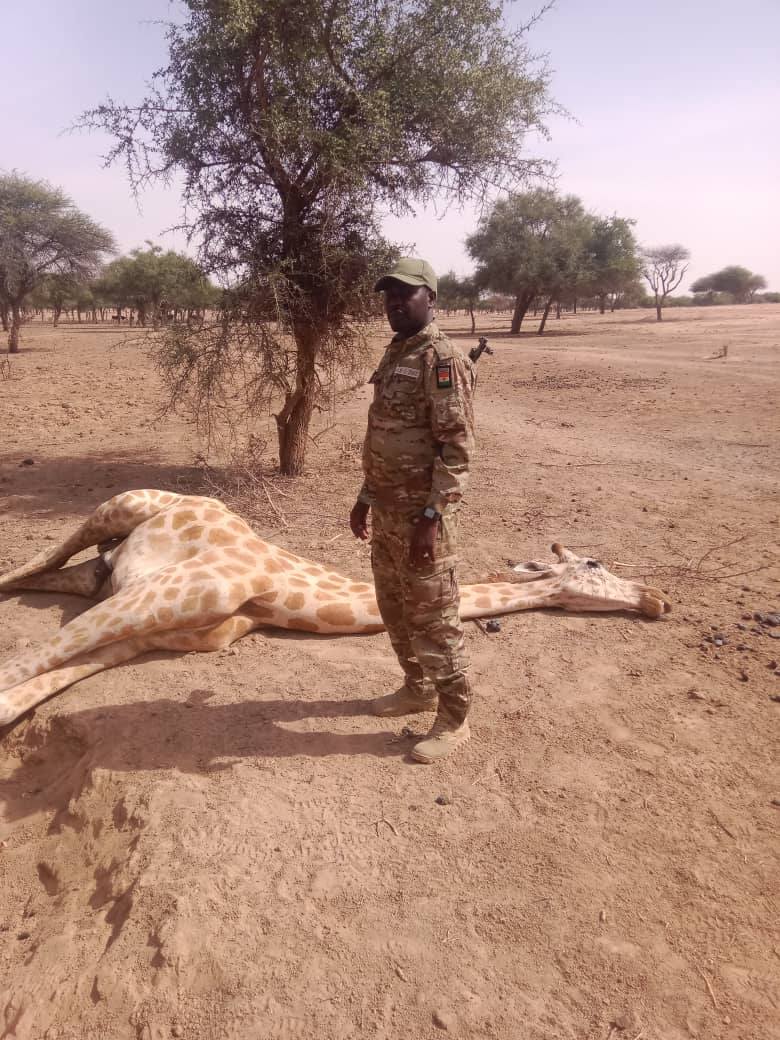
Suffering without care: the final days of Abagana
The details of Abagana’s final moments are a stark reminder of the challenges faced by Mali’s wildlife conservation efforts. The young giraffe suffered from a prolapsed penis, a life-threatening condition that left him unable to urinate or move normally. Without access to emergency veterinary care, his agonizing decline unfolded under the watchful but helpless eyes of reserve rangers.
This devastating loss follows another recent tragedy in the reserve, where a female giraffe perished during a difficult birth—another case where timely medical intervention could have made the difference. For the dedicated rangers who have dedicated their lives to protecting these animals, such recurring losses are a bitter pill to swallow.
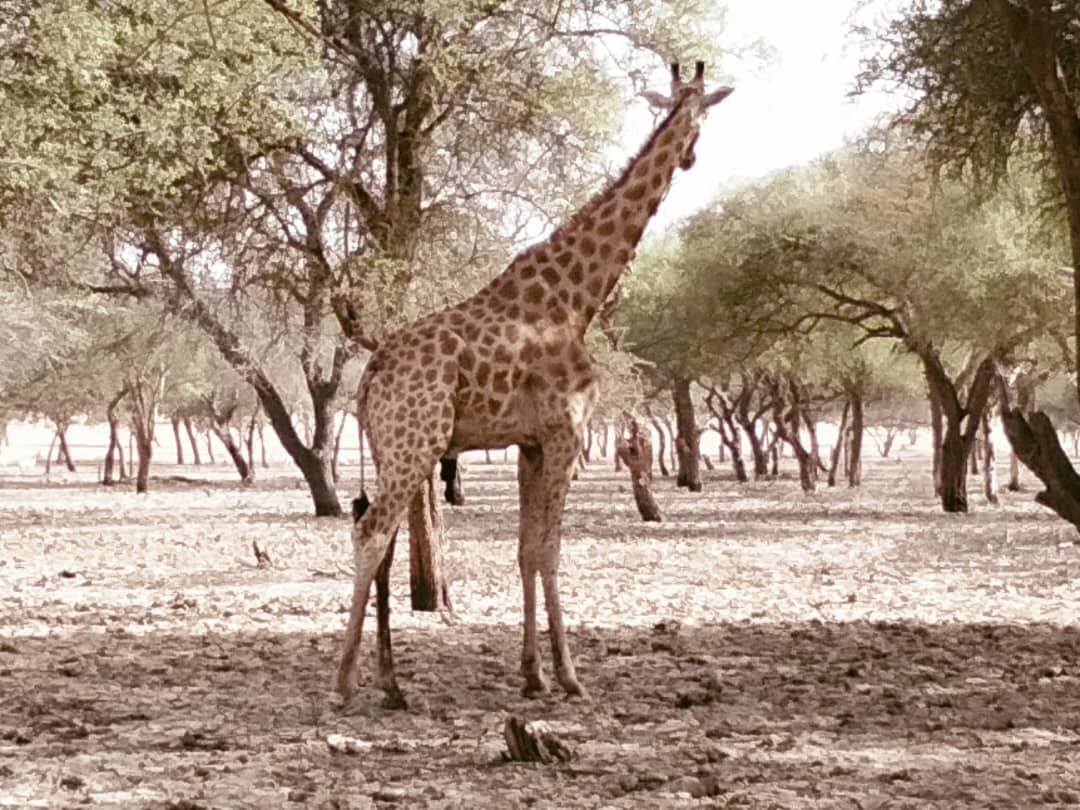
Urgent call for veterinary training in wildlife reserves
The deaths of Abagana and the female giraffe have sent shockwaves through Mali’s conservation community, sparking outrage and demands for immediate action. While the ecological loss is irreparable, the impact on the country’s ecotourism sector is equally alarming. Each giraffe in Gadabedji is a draw for international visitors, contributing significantly to local economies and global perceptions of Mali as a wildlife destination.
In the wake of this tragedy, voices within the conservation field are growing louder, urging the government to address a critical gap: the lack of trained veterinary personnel capable of handling wildlife emergencies. The call for specialized training in first aid, anesthesia, and disease management for wild animals has never been more urgent.
« We stand by helplessly as our animals perish, one after another », confided a long-time conservationist familiar with the situation.
Without swift intervention, Mali risks losing not just individual animals, but the very foundation of its wildlife tourism. The time for action is now—before another preventable tragedy unfolds in the heart of the Gadabedji reserve.