After more than a year of intense diplomatic tensions, Mali and Algeria have restored full diplomatic relations. This unexpected thaw comes as a surprise to many, particularly given the absence of prior signs and the harsh accusations exchanged between the two nations. Bamako had notably accused Algiers of colluding with terrorist groups operating along their shared border, including jihadists from the JNIM—affiliated with al-Qaeda—and separatists from the FLA. Could regional actors like Russia or Niger have played a role in this diplomatic breakthrough? Might this rapprochement compel Mali’s transitional authorities to reconsider their predominantly military approach to combating armed groups? And is this détente sustainable, or merely another transient diplomatic episode?
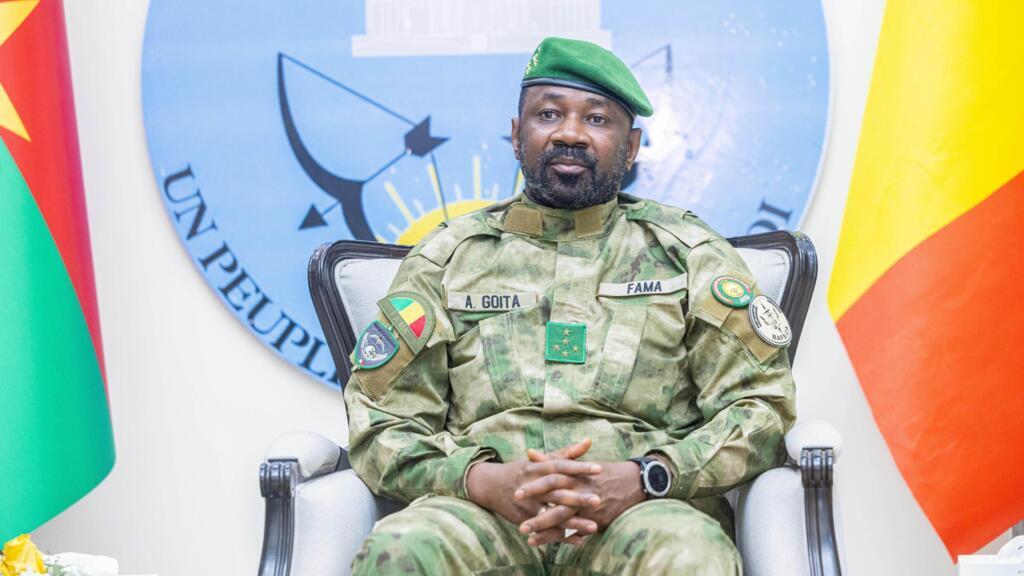
A diplomatic reset with unanswered questions
The restoration of Mali-Algeria relations—marked by the return of ambassadors and the reopening of mutual airspaces—caught many off guard. Observers speculate about the influence of external actors, particularly Russia, which some believe may have pressured Bamako to adopt a more conciliatory stance toward Algiers. But is this assessment accurate?
According to insights from the International Crisis Group (ICG), where I serve as a senior analyst on Algeria, the reality is more nuanced. While discussions between Algiers and Moscow have undoubtedly occurred, there is no clear evidence of direct Russian involvement in brokering this thaw. Instead, the driving force appears to have originated from a surprising mediator: Niger. Bamako’s neighbor, which itself recently reconciled with Algeria, has played a pivotal role in facilitating this diplomatic reset. Yet, as with any complex geopolitical maneuver, numerous actors are involved, and the full picture remains shrouded in speculation.
Could Mali shift toward political dialogue?
Mali’s transitional government has long rejected any negotiation with armed groups—whether jihadist or separatist—insisting solely on a military solution. This stance directly contradicts the 2015 peace agreement, which was largely negotiated in Algiers but has since been abandoned by Bamako. Could this renewed diplomatic momentum compel Mali to revisit its rigid position?
Almost certainly, this thaw is underpinned by a tacit agreement that prioritizes political logic over military force. While a full revival of the Algiers Accord seems unlikely, there may be room for new political initiatives, particularly with the FLA separatists. Given the deteriorating state of Mali and the shared interests of both nations in preventing further destabilization, such a shift would not be entirely implausible.
However, the path forward is fraught with uncertainty. Even if a deal has been struck, its implementation will be gradual. The initial steps will likely focus on restoring security coordination, enhancing intelligence sharing, and leveraging Algeria’s established contacts with certain FLA leaders to de-escalate tensions. Yet, the success of this process hinges on overcoming significant obstacles: international spoilers, domestic opposition within Mali, and potential resistance from within the transitional regime itself. The current climate of mistrust is palpable, but the fact that all parties are now seeking to temper their stances is a cautiously positive sign.
The unresolved tensions of the past
The most recent crisis peaked in April 2025, when Mali accused Algeria of shooting down a drone on Malian soil—despite Algeria’s insistence that the drone was operating in Algerian airspace. While this dispute has been set aside for now, it is far from resolved. Both nations share a history of unresolved grievances, though these are largely situational rather than deeply rooted. The events of the past fifteen months have left lingering questions that will need to be addressed if this détente is to endure.
The core issue remains Algeria’s alleged harboring of fighters and leaders from the JNIM and the FLA—groups Mali accuses of terrorism. Bamako has repeatedly condemned Algiers for what it calls complicity with these groups. However, Algeria’s stance has always been one of delicate balance. Since the 1980s, Algiers has maintained a middle ground, neither fully endorsing Malian rebels nor fully aligning with Bamako’s government. This strategy stems from a strategic imperative: preventing spillover of separatist movements into southern Algeria. While Algeria may occasionally turn a blind eye to certain activities, it does not provide unconditional support to groups seeking to destabilize Mali.
As for the presence of Malian opposition figure Imam Dicko in Algeria, his future will likely hinge on the durability of this agreement. If the deal holds, his public profile will likely diminish. An extradition is improbable, but should the agreement falter, his visibility—and influence—will resurface.
Regional repercussions and the road ahead
Mali’s recent recognition of Morocco’s plan for Western Sahara did not go unnoticed in Algiers. While the move was perceived as a concession to Rabat, the lack of substantial reciprocity from Morocco means Algeria is unlikely to escalate its response. Instead, Algiers will likely adopt a more measured stance on the Saharawi issue in the near term.
Ultimately, the question remains: Is this thaw a genuine turning point or merely another fleeting diplomatic episode? Communiqués alone do not guarantee lasting change. The true test will come in the form of tangible steps: improved security cooperation, sustained dialogue, and a reduction in cross-border tensions. If this agreement holds, the first visible sign will be a marked enhancement in Mali-Algeria security collaboration. However, given the volatility of the region and the array of competing interests at play, the road to stability will be long and uncertain. For now, all parties seem willing to give peace a chance—however fragile that chance may be.