The recent surge in violence linked to the Jama’at Nusrat al-Islam wal Muslimin (JNIM) has once again plunged Mali into a cycle of grief, with yet another attack targeting a vulnerable civilian area. Armed militants launched a brutal assault, leaving scores of locals dead and forcing entire communities to flee their homes.
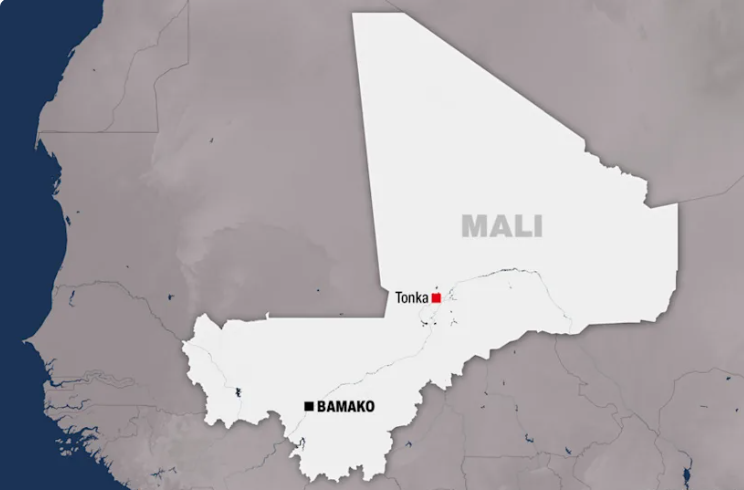
The incident underscores the persistent security crisis gripping Mali despite intensified military operations in recent months. The attack, which occurred far from major urban hubs, highlights the relentless reach of armed groups and the ongoing struggle of authorities to secure the nation’s vast and often remote territories.
From battlefields to public spaces: a widening threat
The assassination of prominent Malian blogger and social media influencer Mariam Cissé has sent shockwaves across the country. While several human rights groups have attributed her killing to JNIM fighters, the senseless violence reflects a deliberate strategy to instill fear beyond traditional conflict zones. Known for her vocal support of the Malian armed forces, Mariam Cissé was reportedly abducted and executed by jihadist militants, demonstrating how extremist groups now target not only soldiers but also civilians and public figures who challenge their ideology.
A military response with limitations
Under the current leadership, Mali’s military strategy has prioritized strengthening defense capabilities through upgraded equipment, expanded security partnerships, and intensified field operations. While these measures have reinforced the state’s ability to respond to threats, the frequency of attacks—including targeted killings like that of Mariam Cissé—raises serious questions about the long-term effectiveness of a purely military approach.
Experts argue that sustained peace cannot be achieved through weapons alone. Although military action remains crucial for protecting civilians and reclaiming lost territories, it fails to address the root causes of instability fueling extremism.
Building resilience: education and economic prospects
The absence of quality education, stark economic disparities, and widespread youth unemployment continue to create fertile ground for armed group recruitment. Analysts emphasize that investing in accessible schooling, local development, and economic opportunities could weaken the appeal of extremist ideologies over time. A more holistic strategy—one that balances security with social and economic progress—may be essential to breaking the cycle of violence.
The Malian government now faces the dual challenge of defending its territory while restoring public trust. Success will depend on its ability to combine military pressure with policies that address the needs and aspirations of the population. Without such measures, the country risks prolonged instability, with consequences that extend far beyond its borders.
Recent events reveal a troubling trend: extremist violence is no longer confined to combat zones but is increasingly directed at anyone perceived as opposing their agenda. For observers, Mali’s future hinges on two critical fronts—securing the nation from armed groups and rebuilding a society where education, employment, and civic engagement offer a viable alternative to extremism.