Khombole controversy: Maïmouna Dièye’s remarks on Ousmane Sonko spark debate
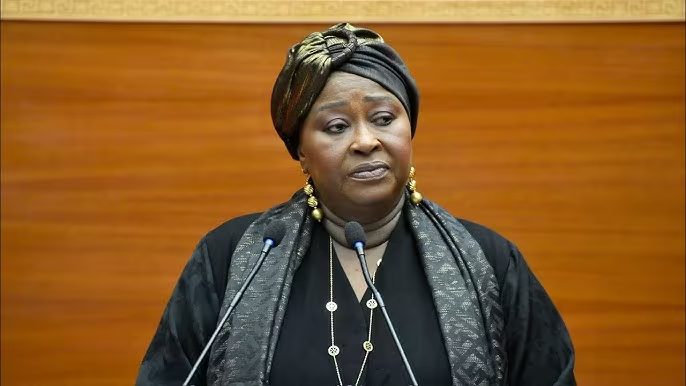
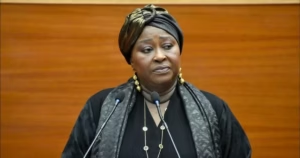
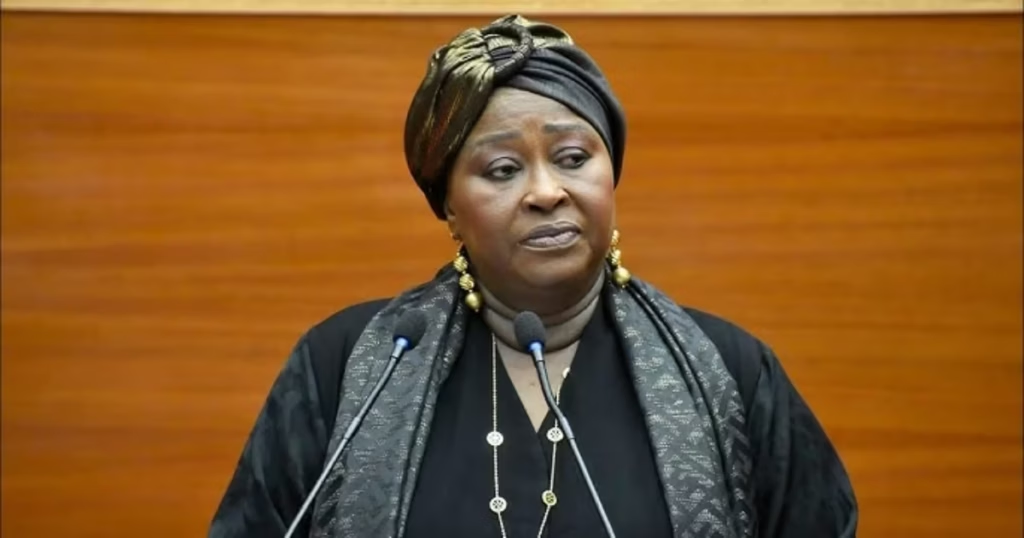
During a political gathering in Khombole, Maïmouna Dièye’s public invocation linking Ousmane Sonko’s name to a sacred Islamic blessing has ignited a fierce debate across Senegal about the boundaries between political reverence and religious sanctity.
Maïmouna Dièye’s choice of words at Saturday’s event in Khombole left Ousmane Sonko visibly uncomfortable. By framing his name within a religious invocation typically reserved for the Prophet Mohammad, she crossed a line that many Muslims consider sacred and untouchable.
Maïmouna Dièye’s controversial remarks in Khombole
In her speech, Dièye declared, « under the presence of Seyidina Ousmane Sonko Salalahou Aleyhi Wa Salam, » a phrase that directly invokes a blessing usually reserved exclusively for the Prophet Mohammad and, in some interpretations, other revered prophets. This invocation, known as salat, is a cornerstone of Islamic practice and is never applied to any human figure, regardless of their status. Using it for a political leader—no matter how prominent—implies a spiritual elevation that Islam strictly reserves for the divine and the Prophet. This explains why her statement was perceived as a grave misstep that could have serious religious and political implications.
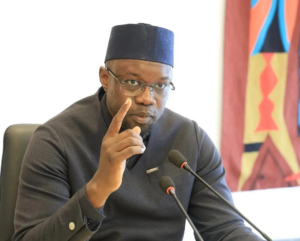
The choice of words not only sparked immediate discomfort but also raised broader questions about the growing tendency to blur the lines between political admiration and religious sanctification. Religious leaders in Senegal have long cautioned against such excesses, emphasizing the importance of distinguishing between respect for a leader and the reverence due only to the sacred. Ousmane Sonko, recognizing the potential fallout, swiftly addressed the issue, acknowledging the affection of his supporters while firmly rejecting any attempt to place him on a pedestal reserved solely for the Prophet Mohammad—a status he insists he has never sought nor will ever claim.
Ousmane Sonko’s response
By publicly correcting Dièye’s wording, Ousmane Sonko aimed to prevent the controversy from escalating and being exploited by his opponents. In Senegal’s delicate political climate, where religious sensibilities run deep, such missteps are treated with extreme caution. Political figures in the country often tread carefully around religious topics to avoid alienating constituents or provoking unnecessary backlash. This incident underscores the fine line Senegalese leaders must navigate when balancing political rhetoric with religious norms.