President Bassirou Diomaye Faye announced the new cabinet lineup late Monday evening, just ten days after dismissing former Prime Minister Ousmane Sonko. The reshuffle arrives as the nation grapples with mounting debt and steadfastly resists international restructuring pressure.
a fragile government without parliamentary backing
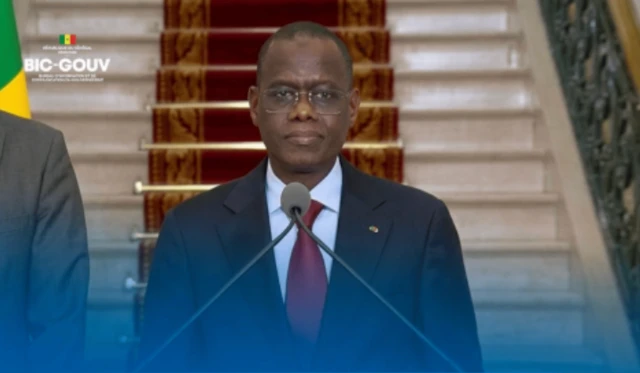
The new administration, led by Prime Minister Ahmadou Al Amine Mohamed Lo, comprises 30 members: 26 ministers and four deputy ministers. Only four women hold positions, none in sovereign ministries. Before the list was unveiled, the opposition PASTEF party declared it would boycott the government due to “profound disagreements” with President Faye’s policies.
Key PASTEF figures who resigned include former ministers for Energy, Justice, Culture, Family, Sports, and Public Service. Yet several former PASTEF members remain in the cabinet, such as Balla Moussa Fofana (Urban Planning), Yancoba Diémé (Defense), Ibrahima Sy (Health), and Cheikh Diba, who now oversees Finance, Economy, and Planning.
Newcomers from PASTEF aligned with Sonko include Cheikh Tidiane Dieye (Sanitation), Déthie Fall (Infrastructure), Moustapha Guirassy (National Education), and Mamadou Lamine Dianté (Public Service). Meanwhile, the Coalition Diomaye secured six portfolios, with El Hadj Abdourahmane Diouf taking charge of Energy and Petroleum.
a stark gender imbalance in cabinet appointments
The new cabinet mirrors the outgoing team’s gender disparity: four women out of 30 members, compared to five in the 31-member previous lineup. Three hold full ministerial roles, while one serves as a deputy minister. The female ministers are Marie Angélique Mame Selbé Diouf (Family, Social Action, and Solidarity), Djirèye Clotilde Coly (Sports and Youth), Ami Mara (Fisheries and Maritime Economy), and Mame Coumba Diop (Culture, Creative Industries, and Historical Heritage, under the Ministry of Culture).
Women’s rights advocates criticize the lack of representation. Dr. Coumba Mar Gadio, of the African Women Leaders Network (AWLN) Senegal chapter, argued the selection “fails to reflect the demographic weight and expertise of women in strategic sectors.” She urged the government to adopt corrective measures to “strengthen women’s presence in decision-making spheres.”
Senegal’s 2010 parity law mandates equal representation in elective institutions but has not extended to ministerial appointments. Analysts highlight this gap as a missed opportunity to align governance with the nation’s evolving social fabric.
economic strain and debt restructuring standoff
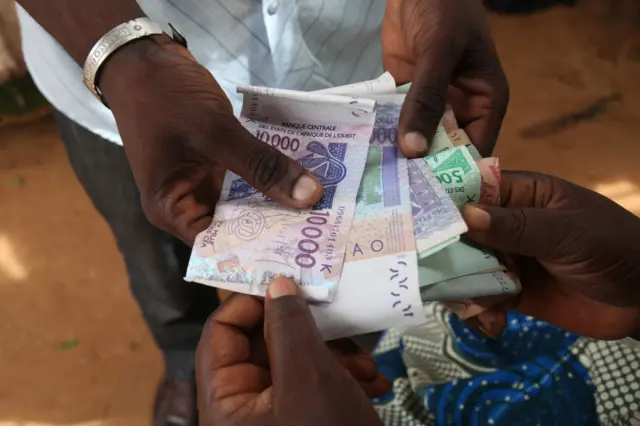
Senegal faces severe economic pressure, exacerbated by a hidden debt exceeding $7 billion inherited from the previous administration. The government has thus far rejected restructuring proposals, a stance that deepened tensions during coalition talks. Economist Amath Ndiaye, of Cheikh Anta Diop University, noted, “The economic downturn, rising unemployment, and sluggish growth forecasts—estimated at 2.2% to 2.5% for 2026—demand urgent action.”
Ndiaye stressed the necessity of reaching an agreement with the International Monetary Fund (IMF) to reprofile or restructure the debt sustainably. He described the new government as caught between conflicting imperatives: securing an IMF deal, which may entail subsidy cuts, and addressing public demands for improved living standards, employment, and essential services.
“The primary challenge lies in reconciling these seemingly contradictory objectives,” Ndiaye remarked, underscoring the delicate balance required to stabilize the economy without exacerbating social unrest.
cohabitation in Senegal’s political landscape

Political science professor Moussa Diaw described the current situation as “unprecedented” in Senegal. The rift stems from differing visions on accountability, debt resolution, and justice for victims of the 2021–2024 protests. While President Faye lacks a parliamentary majority, Ousmane Sonko, now Speaker of the National Assembly, leads the dominant PASTEF bloc. Negotiations for PASTEF’s participation collapsed, creating a de facto cohabitation scenario.
Diaw warned that this configuration risks institutional paralysis if not managed responsibly. “A government without a majority is inherently vulnerable,” he cautioned. “Prime Minister Lo must avoid confrontation, as the parliamentary majority can block initiatives at any time.”
The political scientist urged both Faye and Sonko to prioritize national stability over partisan interests, emphasizing the need for dialogue and constitutional adherence to avert a crisis.
constitutional clarity and the path forward
Diaw emphasized that the presidency and parliament must exercise their constitutional prerogatives responsibly, each within their defined roles. He called for courage and patriotism to foster collaboration, stating, “The institutions must function smoothly to prevent conflict at the highest levels.”
The challenge ahead is monumental: navigating economic hardship while maintaining institutional harmony. Success hinges on whether both leaders can rise above political divides to serve Senegal’s long-term interests.