Libreville’s urban renewal: Oligui Nguema’s accelerated transformation plan
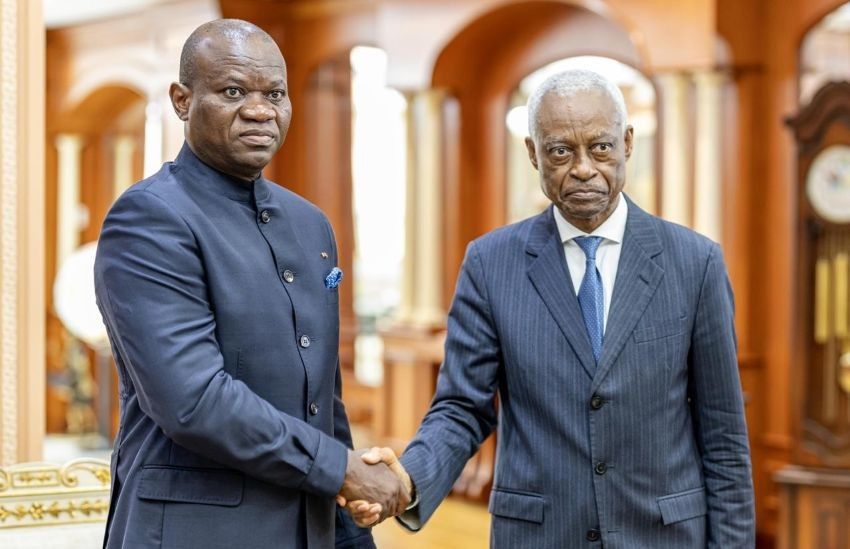
Libreville, June 3, 2026 — The capital of Gabon is undergoing a rapid urban transformation under the close supervision of President Brice Clotaire Oligui Nguema. During a meeting with Libreville Mayor Eugène Mba, the head of state emphasized the urgent need to accelerate municipal governance reforms to modernize the city.
This working session reflects the government’s commitment to strengthening coordination between national authorities and local administrations to enhance urban living conditions. The focus is on turning local governance into a results-driven mechanism that delivers tangible improvements for residents.
Local governance under performance pressure
The meeting centered on the progress of the mayor’s action plan, first outlined when Eugène Mba took office. The revised municipal structure and updated roadmap aim to streamline operations and prioritize visible, impactful projects over bureaucratic processes.
Mayors and municipal teams are now evaluated not just on administrative efficiency but on their ability to translate policy into real changes that residents can experience daily. The shift is from passive management to active urban transformation.
Urban planning priorities: infrastructure and public services
Key projects discussed include reorganizing urban spaces, building modern parking facilities, expanding green areas, and enforcing public land usage regulations. These initiatives respond to Libreville’s growing population and persistent urban planning challenges.
A major focus is sanitation. Waste management—from collection to disposal and recycling—has been elevated to a public health priority. The president stressed the need for immediate, structured action to address Libreville’s long-standing cleanliness issues, positioning sanitation as both a technical challenge and a performance metric for municipal governance.
Digital transformation as a catalyst for change
Another critical component of the reform agenda is the digitalization of municipal services. By modernizing administrative processes, the city aims to improve service delivery, enhance transparency, and boost local revenue collection through secure digital transactions.
This digital shift is part of a broader national trend toward using technology to strengthen public governance. However, it also demands a cultural transformation within institutions, where accountability, traceability, and performance become core operational standards.
Libreville as a model of urban modernity
Beyond infrastructure and technology, the president framed Libreville as a showcase of national progress. As Gabon’s political and economic hub, the capital must meet international urban standards in planning, public services, and environmental management.
The head of state called for rigorous execution, innovation, and efficiency in project delivery. This push signals a break from fragmented urban management, replacing it with a structured, results-oriented approach that positions Libreville as a benchmark for African cities.
Local authorities as drivers of development
This meeting underscores a fundamental shift in Gabon’s governance model: local authorities are being positioned as central actors in national development. By aligning municipal action with citizen needs, the government seeks to bridge the gap between policy and lived reality in urban centers.
Libreville is now a testing ground for territorial reform, where the success of national modernization efforts will be measured. The city is no longer just an administrative center—it has become a litmus test for the state’s capacity to adapt, execute, and sustain progress.