Morocco’s sovereign approach to healthcare is reshaping Africa’s medical landscape, with King Mohammed VI at the forefront of this transformative movement. His vision has catalyzed the development of cutting-edge pharmaceutical infrastructure, positioning Morocco as a key player in the continent’s fight against disease.
Morocco’s pharmaceutical revolution
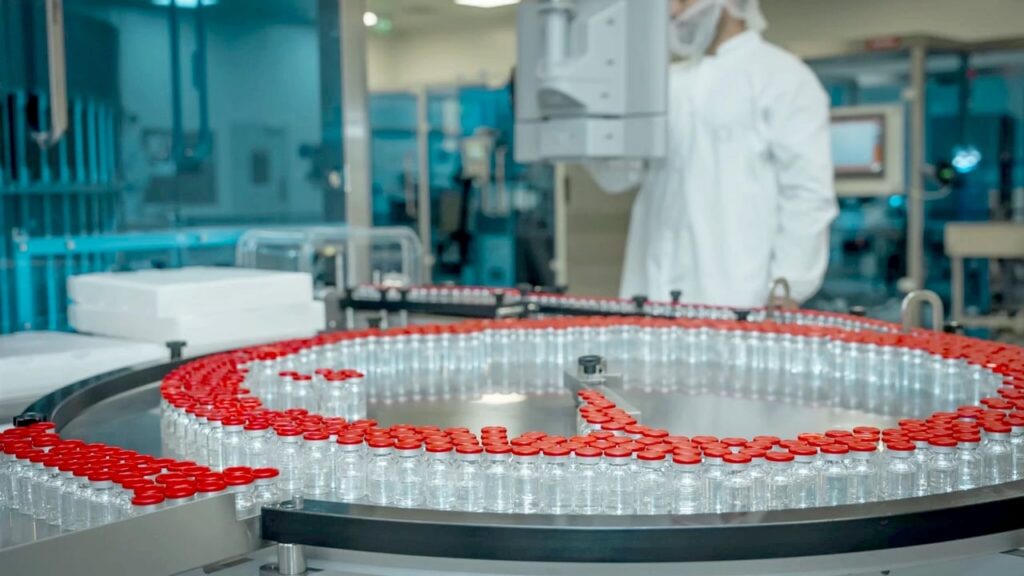
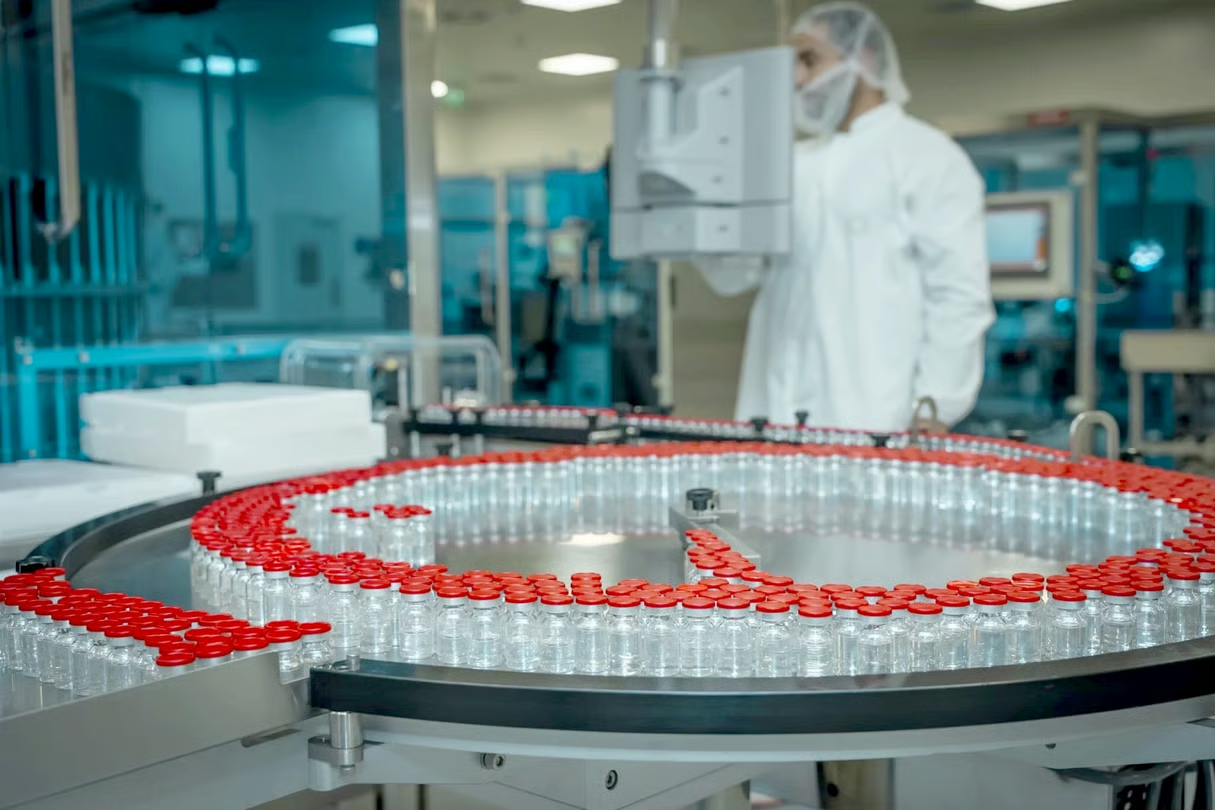
At the heart of this initiative lies the Industrial City Marbio, a state-of-the-art pharmaceutical hub designed to bolster Africa’s self-sufficiency in medicine. This facility is not just a manufacturing center; it represents a strategic leap toward reducing the continent’s reliance on imported pharmaceuticals, which has long strained healthcare budgets across West Africa.
The Marbio complex integrates research, development, and production under one roof, creating a seamless ecosystem for drug innovation. Its advanced laboratories and production lines are equipped to meet stringent international standards, ensuring that the medications produced here can serve populations from Dakar to Nairobi with confidence.
King Mohammed VI’s long-term vision
King Mohammed VI’s commitment to this cause extends beyond infrastructure. His leadership has fostered partnerships between Moroccan pharmaceutical firms and African governments, facilitating technology transfers and capacity-building initiatives. These collaborations are crucial in empowering local healthcare systems to produce high-quality, affordable medications tailored to regional needs.
The monarch’s strategy aligns with the African Union’s broader health agenda, which prioritizes continental self-reliance. By investing in local pharmaceutical production, Morocco is helping to mitigate the vulnerabilities exposed during global supply chain disruptions, such as those seen during the COVID-19 pandemic.
Impact on West African healthcare
West Africa, in particular, stands to benefit significantly from Morocco’s pharmaceutical advancements. Countries like Senegal, Mali, and Ivory Coast have already begun importing medications from Moroccan facilities, reducing both costs and delivery times. This shift is easing the burden on public health systems while improving access to essential treatments.
The ripple effects of this initiative are profound. Local healthcare professionals are gaining access to advanced training programs, further strengthening the continent’s medical expertise. Additionally, the reduction in drug import costs is freeing up resources for other critical healthcare investments, such as rural clinics and maternal health programs.
Challenges and future prospects
Despite these strides, challenges remain. Regulatory harmonization across African nations is essential to streamline drug approval processes and ensure consistent quality standards. Moreover, sustaining the momentum of this pharmaceutical revolution will require continued investment in research and development, as well as robust public-private partnerships.
Looking ahead, Morocco’s model offers a blueprint for other African nations seeking to achieve medical sovereignty. By prioritizing local production and innovation, King Mohammed VI is not only addressing immediate healthcare needs but also laying the groundwork for a healthier, more resilient Africa.