Gabon’s fisheries pivot: reclaiming control over ocean resources
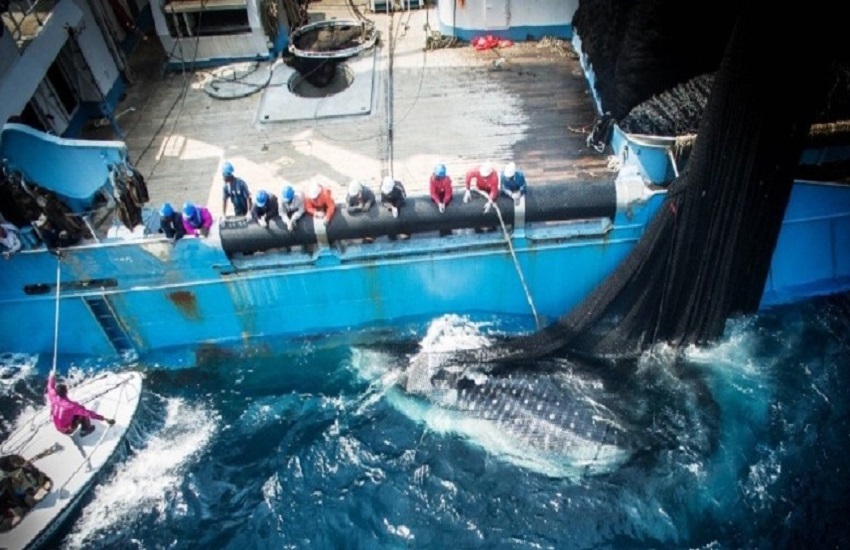
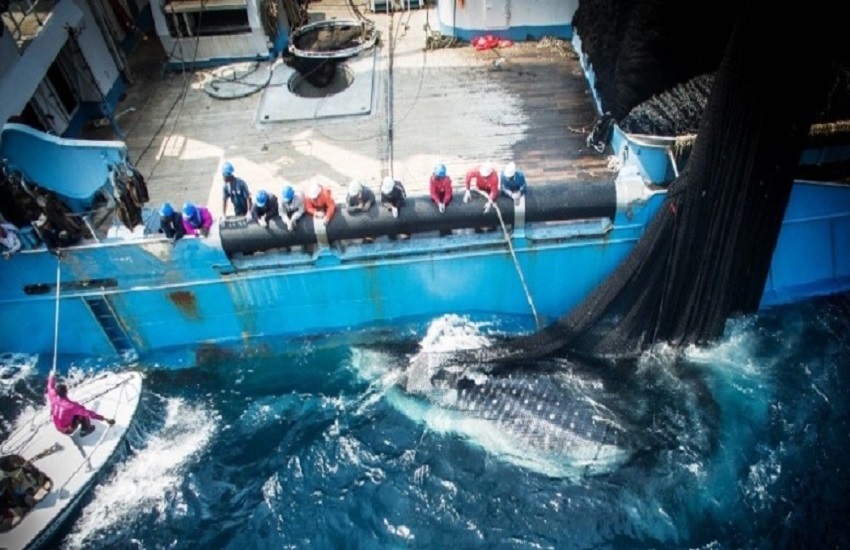
Libreville takes decisive step to rewrite its ocean economy rules as EU fishing agreement expires.
Gabon’s government has launched a critical renegotiation of its fisheries partnership with the European Union, marking a fundamental shift in how its marine resources will be managed and monetised in the future.
The decision follows the expiration of the previous sustainable fisheries partnership agreement and protocol, which Gabon terminated in June 2025. With the European fleet no longer having automatic access to Gabon’s rich waters, Libreville now holds unprecedented leverage to demand terms that align with its economic sovereignty goals.
The old deal’s shortcomings
The previous arrangement allowed European vessels to fish up to 32,000 tonnes annually in Gabonese waters, but actual catches averaged just 10,604 tonnes between 2022 and 2024. Only 54% of available tuna seiner licenses were utilised, while six longliner licenses remained completely unused throughout the agreement’s duration.
Financial terms proved equally problematic. While Europe contributed €1.6 million annually for access rights plus €1 million for sector development, Gabon captured only 23% of the total value generated. The vast majority of economic benefits flowed to ports in Côte d’Ivoire and Senegal through transshipment and processing activities.
Building a new economic model
The upcoming negotiations represent more than just a regulatory reset—they offer Gabon a historic opportunity to transform its fisheries sector from a source of raw resource export into a driver of local value creation. Key priorities include:
- Direct economic returns: Recalibrating license fees to match actual utilisation rates and resource value
- Local value chain integration: Mandating that a minimum percentage of catches be landed and processed in Gabon
- Employment generation: Ensuring Gabonese mariners gain meaningful participation opportunities
- Infrastructure development: Redirecting sector support funds toward port facilities and processing plants
Measurable outcomes vs. theoretical commitments
Past agreements suffered from weak implementation mechanisms. Of the €5 million sector support package over five years, only €2 million was disbursed by late 2024. Many infrastructure projects remained incomplete, and evaluation metrics focused more on deliverables than actual economic impact.
The new framework must establish transparent monitoring systems with verifiable benchmarks for:
- Actual fishing volumes by European fleets
- Percentage of catches landed in Gabon
- Local employment numbers and skill development
- Investment in Gabonese processing and cold storage facilities
A sovereignty moment for Gabon’s blue economy
This renegotiation isn’t just about financial compensation—it’s about redefining Gabon’s relationship with its ocean resources. By demanding concrete local benefits tied to each tonne of fish caught, Libreville is asserting control over an economic sector that has long operated with minimal local participation.
For both partners, the success of future agreements will be measured not by the volume of fish caught, but by the tangible economic transformation achieved within Gabon’s borders. The coming months will determine whether Gabon’s marine resources can become a foundation for sustainable development rather than another extractive industry.
By Sidi Mohamed — Reporter