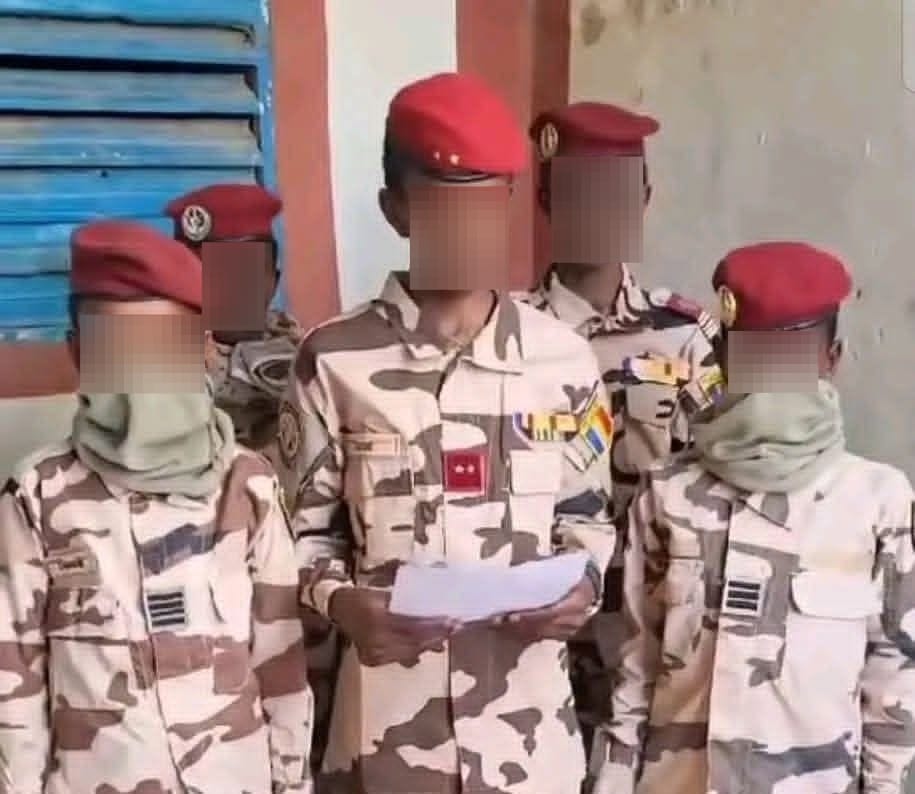
In a decisive move signaling a pivotal shift in the investigation, Chad’s judicial authorities have initiated formal hearings for five minors filmed wearing military uniforms while making inflammatory statements about state institutions. The Parquet d’Instance in N’Djamena has confirmed the provisional hearings, marking a critical juncture in a case that has ignited national debate over youth protection and adult accountability.
Judicial proceedings underway with strict safeguards for minors
The five minors, detained by judicial police in coordination with their families, have been questioned in accordance with juvenile justice protocols that prioritize rehabilitation over punitive measures. During preliminary assessments, the judicial authority emphasized that while minors benefit from enhanced protective measures under Chadian law, this does not absolve them from potential responsibility. The hearings are being conducted with strict adherence to legal principles, including presumption of innocence and procedural objectivity, while exploring pathways for education and social reintegration where applicable.
Critical turning point: uncovering the adults behind the uniforms
Investigators have now pivoted their focus toward identifying potential adult orchestrators who may have exploited these minors for political or destabilizing purposes. The probe has intensified amid growing concerns that minors were being coerced, manipulated, or encouraged into participating in activities that violate both national laws and international child protection standards. Authorities have categorically condemned any attempts to weaponize youth in public discourse or political maneuvering, stressing that digital platforms must not operate as unregulated spaces where minors are vulnerable to exploitation.
Reinforcing ethical boundaries in the digital age
In parallel with legal proceedings, the case has spotlighted the urgent need for stricter oversight of online content involving minors. The judicial system has called for collective responsibility among media outlets and social media users to prevent the dissemination of material that could expose minors to identification, harassment, or further manipulation. This includes abstaining from sharing visual or audio elements that compromise the anonymity and dignity of the children involved, emphasizing that their well-being remains the paramount priority.
Next steps: balancing justice, protection, and national stability
As the investigation progresses, the Parquet d’Instance has signaled that legal outcomes will hinge on evidence of adult instigation, coercion, or systemic negligence. The hearings represent not only a legal reckoning but a societal turning point—one that challenges communities, institutions, and families to confront the systemic vulnerabilities that allow minors to be instrumentalized. With national security implications at stake, the case underscores the delicate balance between preserving public order and upholding the rights of the most vulnerable in society.