Gabon: Woleu-Ntem leads new territorial development model
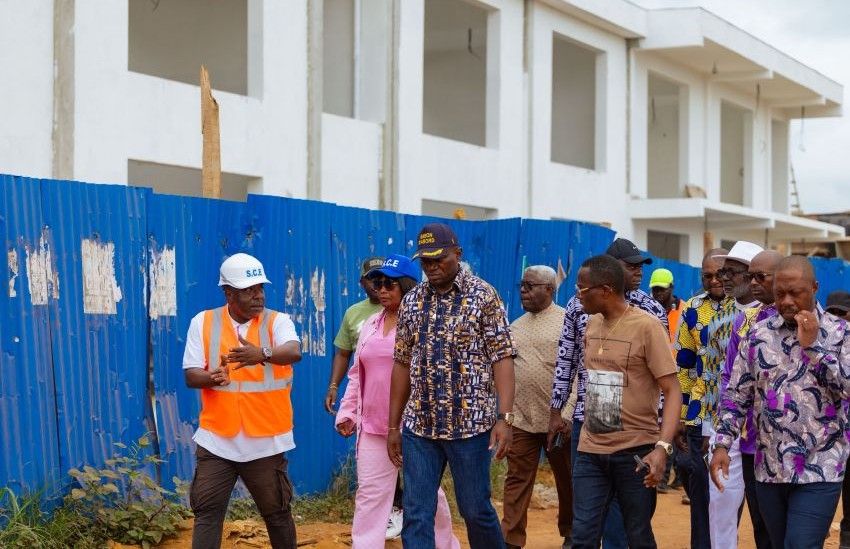
Libreville, Saturday, July 11, 2026 — Presidential tours across Africa are often dismissed as mere political gestures. Yet President Brice Clotaire Oligui Nguema’s recent visit to Gabon’s Woleu-Ntem province signals a far more ambitious agenda.
The three-day tour, covering cities from Minvoul to Oyem, unveiled more than just ribbon-cutting ceremonies. It laid bare a bold new vision for Gabon’s development—one that prioritizes underserved regions as engines of national progress rather than mere afterthoughts.
Roads, schools, farms, and clinics: the itinerary reflected a deliberate shift toward territorial cohesion. A strategy built on reducing economic disparities that have long sidelined inland provinces in favor of coastal hubs like Libreville.
But this is more than infrastructure. It’s a test of a new development doctrine—one where proximity to citizens and ground-level investment take precedence over centralized planning.
Woleu-Ntem: From borderland to development hub
The choice of Woleu-Ntem was deliberate. Straddling Cameroon and Equatorial Guinea, this northern province has long been Gabon’s primary land gateway to Central Africa. Yet despite its strategic position, it has suffered from Africa’s classic paradox: abundant potential yet disconnected from national economic flows.
The presidential convoy’s journey along the Gabon-Cameroon highway underscored this reality. Roads here aren’t just asphalt—they’re lifelines for trade, investment, and regional stability. By upgrading this corridor, Gabon is positioning itself to capitalize on the African Continental Free Trade Area, ensuring its place in Central Africa’s evolving economic map.
Equally symbolic was the President’s overnight stay in Minvoul. A clear message: no region, no matter how remote, should be left behind in Gabon’s march toward progress.
Agriculture as the new economic frontier
Agriculture is taking center stage in Gabon’s economic revival. The inauguration of the Oyem agri-complex and training of 240 young farmers mark a decisive break from the hydrocarbon-dominated past. This isn’t just about jobs—it’s about building rural entrepreneurship and food sovereignty.
The partnership between ACM Exploitation, the Local Community Development Fund, and the Ministry of Agriculture exemplifies a growing trend in African policy: extractive industries investing directly in the communities they operate within. The agropisciculture farm near Oyem serves as proof that integrated production models can create lasting employment while reducing reliance on food imports.
Governance redefined: from plans to people
The tour’s most striking feature was its hands-on approach. Hospital visits, school inspections, village housing handovers—every stop reinforced a single idea: development must be holistic. Economic growth alone isn’t enough; it must be matched by social infrastructure and human capital investment.
The Manfred Mendame Ndong Teacher Training Center and the Nkum Yenguï high school—equipped with digital labs—demonstrate Gabon’s commitment to preparing tomorrow’s workforce today. Even the symbolic handover of housing to village chiefs highlights an often-overlooked priority: strengthening local governance.
True national transformation rarely begins in capital cities. It starts in provinces like Woleu-Ntem—places capable of becoming economic, social, and innovation poles. This tour suggests Gabon is betting on a new geography of development: one where borders become bridges, provinces become powerhouses, and public investment fosters both unity and prosperity.
The real test lies ahead. Will this vision translate into measurable, enduring change that reshapes Gabon’s economic and social trajectory for generations to come?