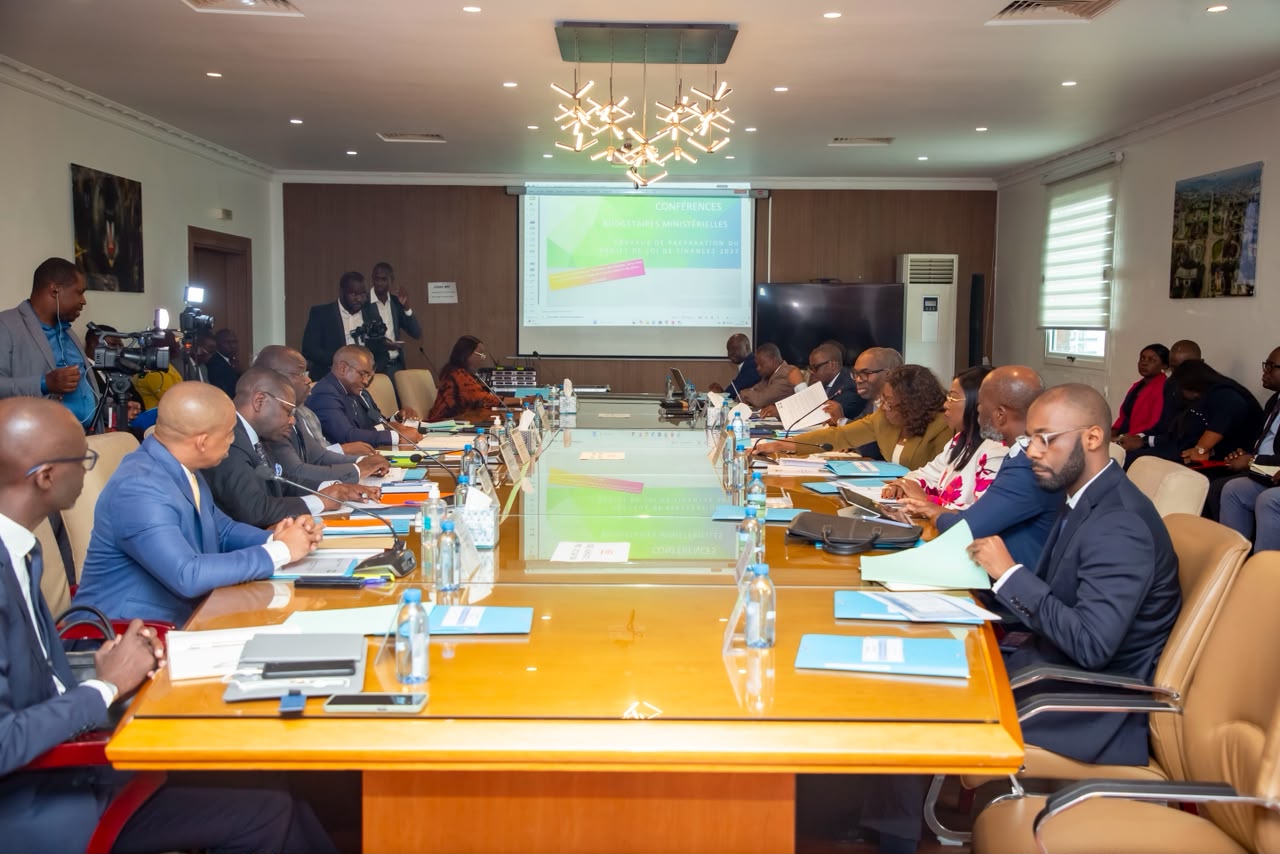
The Gabonese government has initiated a series of budgetary conferences in Libreville, marking a pivotal step in drafting the 2027 Finance Bill (PLF), as confirmed by an official statement.
Structured approach to budget preparation
These conferences, governed by circular n°000245/PR/SG dated March 31, 2026, unfold in two distinct phases. The first, dubbed the ministerial phase, runs from July 14 to 17, while the second, a technical phase, takes place from July 20 to 24 within sectoral ministries.
The technical sessions will bring together program directors from various ministries, state operators, and officials from the General Directorate of Budget and the General Commissariat for Planning and Development. The agenda includes scrutinizing revenue projections, assessing proposed expenditure sustainability, and evaluating public administration financing needs.
Commitment to transparent and sustainable budgeting
According to the official release, these conferences aim to ensure the future budget is honest, realistic, and sustainable. This aligns with national efforts to enhance public revenue mobilization and improve spending efficiency amid economic challenges.
Alignment with national and regional priorities
The discussions are framed by the National Growth and Development Plan (PNCD) 2026-2030, alongside recommendations from the June 27 budget orientation debate and parliamentary exchanges on the 2026 revised finance law. They also incorporate commitments from the Central African Economic and Monetary Community (CEMAC) extraordinary heads-of-state conference held in Brazzaville on January 22, 2026.
The deliberations will reflect the priorities set by Gabonese President Brice Clotaire Oligui Nguema, as outlined in his June 15, 2026, State of the Nation address to Parliament.
2026 budget adjustments and 2027 outlook
For 2026, the state budget was revised downward to 5.4952 trillion CFA francs from an initial projection of 6.3582 trillion, a reduction of 862.9 billion CFA francs. This adjustment stemmed from constrained economic conditions and a push to control public spending.
The 2026 budget prioritized infrastructure investments, social policy strengthening, and public finance consolidation amid ongoing economic and institutional transitions.
Thierry Minko, Minister of Economy, underscored that the 2027 budget proposals must align with the 2027-2029 macroeconomic and budgetary framework while supporting national priorities.