DRC president to visit Ebola-hit Ituri amid rising crisis
Breaking news. Democratic Republic of the Congo (DRC) President Félix Tshisekedi has announced plans for an upcoming visit to Ituri Province, the epicenter of the country’s latest Ebola outbreak declared on May 15. With over 1,000 confirmed cases and 267 deaths reported, humanitarian groups warn the true toll may be even higher.
The DRC is grappling with its 17th Ebola outbreak, a deadly hemorrhagic fever gripping Ituri, a remote northeastern province plagued by armed group violence. Official figures now show 1,048 infections and 267 fatalities, yielding a staggering 25.5% fatality rate. The outbreak has spread to three eastern provinces, while neighboring Uganda has recorded 20 cases, including two deaths.
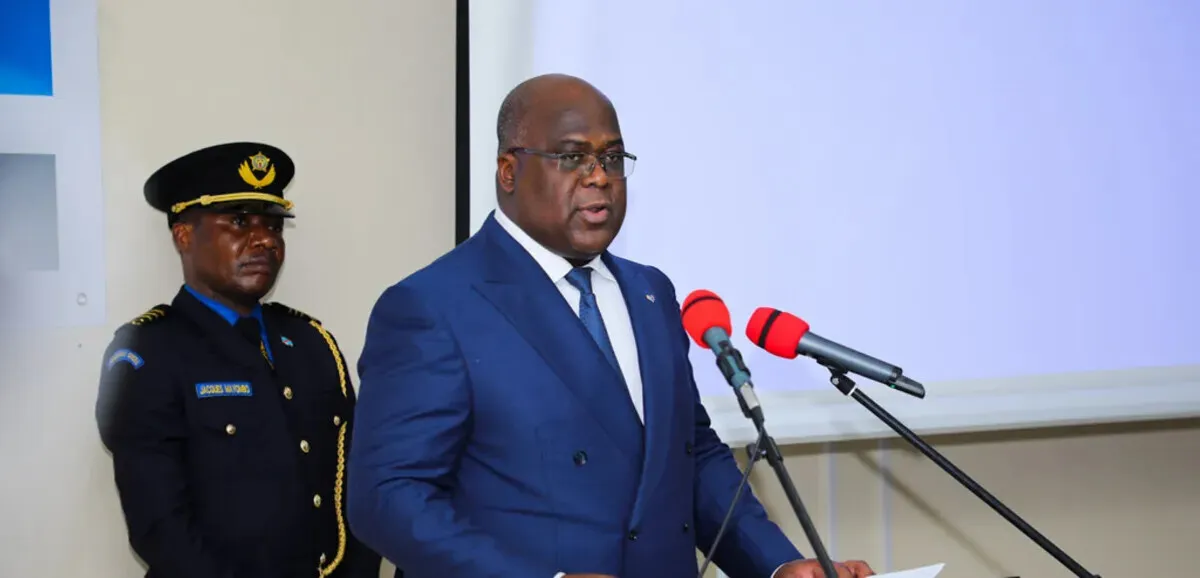
“I will personally visit Ituri Province in the coming days to assess the situation firsthand,” President Tshisekedi declared during an official meeting with Burundi’s President Évariste Ndayishimiye in Kinshasa. “My commitment to ending this crisis is unwavering.”
While no specific date has been set, the urgency is clear. This outbreak stems from the Bundibugyo virus strain, for which no approved vaccine or treatment exists. Current vaccines target the Zaire strain, responsible for the deadliest Ebola outbreaks in history. Over the past five decades, Ebola has claimed more than 15,000 lives across Africa.
Challenges in outbreak response
In Ituri, the response has faced significant hurdles. Despite gradual reinforcements, local hospitals remain critically under-equipped, lacking essential supplies like protective gear and chlorine over a month after the outbreak’s declaration. Ebola treatment centers, established with support from the World Health Organization (WHO) and NGOs, are already operating at over 80% capacity, according to health authorities.
Testing capabilities have improved, but international aid groups and NGOs on the ground argue that official figures likely understate the outbreak’s true scale. They warn that the situation may worsen, with projections suggesting the crisis could persist for another six to twelve months. Ebola spreads through direct contact with bodily fluids of infected individuals.