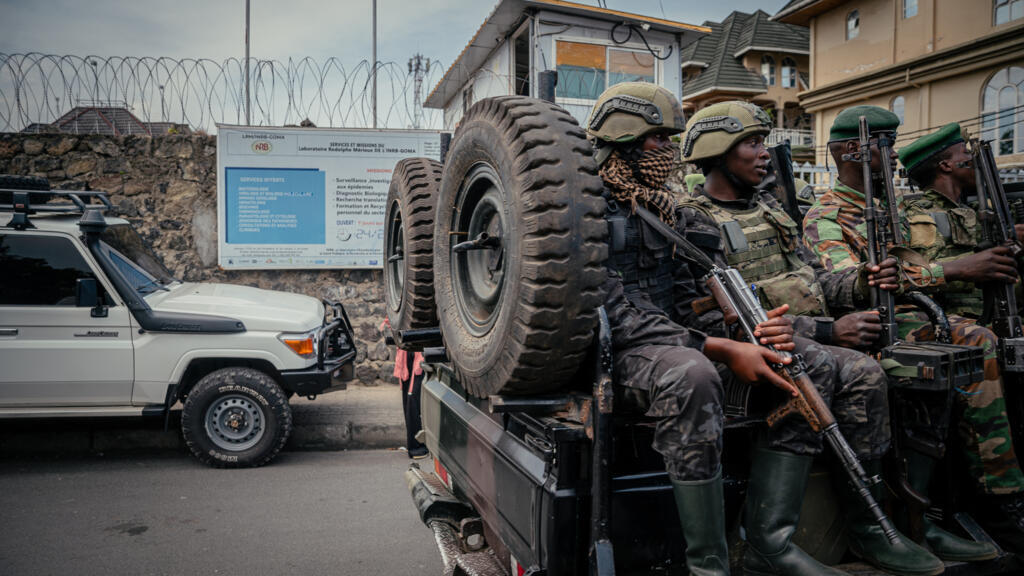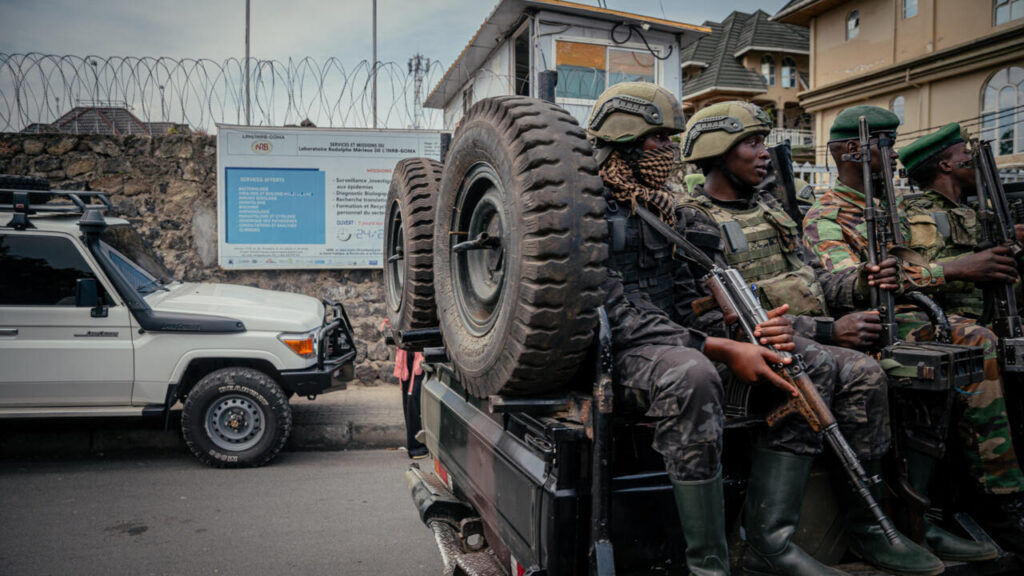
The Joint Expanded Verification Mechanism (MCVE+), established nearly four months ago in Montreux, was designed to oversee the ceasefire between Kinshasa and the AFC/M23 in eastern Democratic Republic of the Congo (DRC). Yet, to date, its operations remain at a standstill. The critical impasse stems from the AFC/M23’s decision to expel one of the three Congolese officers deployed in mid-July to Goma to represent the Armed Forces of the Democratic Republic of the Congo (FARDC) within the mechanism.
The AFC/M23 levelled accusations against the officer, alleging past ties to military intelligence. This expulsion has effectively halted all verification activities, leaving the ceasefire monitoring framework paralysed.
Disputed allegations and mounting tensions
According to Congolese authorities, the expelled officer was part of a carefully selected team tasked with ensuring compliance with the ceasefire agreement. Kinshasa has vehemently rejected the allegations made by the AFC/M23, dismissing them as unfounded and politically motivated.
How did this situation come about? The AFC/M23, a rebel group active in eastern DRC and reportedly supported by Rwanda, has accused the Congolese government of deploying officers with questionable backgrounds to the verification mechanism. The group insists that these individuals could compromise the integrity of the ceasefire monitoring process.
The Congolese government, however, maintains that the officers selected were vetted rigorously and are fully qualified to participate in the verification efforts. Officials argue that the expulsion is a deliberate attempt by the AFC/M23 to undermine the peace process and delay the implementation of the ceasefire.
Consequences on the ground
The paralysis of the MCVE+ has significant implications for the security situation in eastern DRC. Without a functional verification mechanism, violations of the ceasefire are likely to go unchecked, exacerbating tensions between the warring parties and increasing the risk of renewed conflict.
The lack of oversight also raises concerns about the protection of civilians in conflict-affected areas. In recent months, eastern DRC has witnessed a surge in violence, with reports of attacks on communities, displacement of populations, and human rights abuses. A stalled verification process only serves to embolden armed groups and prolong the suffering of local populations.
International observers have expressed alarm at the situation, warning that further delays in resuming the MCVE+ activities could have dire consequences for regional stability. The Congolese government has called on the AFC/M23 to reconsider its decision and allow the verification mechanism to resume its critical work.
What lies ahead?
The path forward remains uncertain. The Congolese government is exploring diplomatic avenues to resolve the impasse, including engaging with regional partners and international mediators. However, the AFC/M23 has so far shown little willingness to back down from its demands.
For now, the people of eastern DRC continue to bear the brunt of the conflict. The paralysis of the MCVE+ not only delays the prospects of peace but also deepens the humanitarian crisis in the region. As talks stall and tensions rise, the urgent need for a functional verification mechanism has never been more evident.