Pacte national énergie gains momentum with high-level oversight
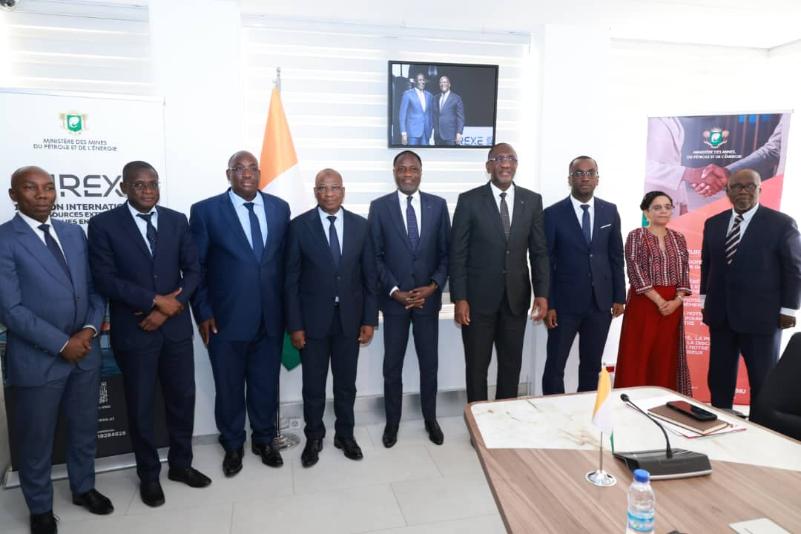
The steering committee for Côte d’Ivoire’s national energy pact convened its inaugural session on August 4, 2026, at the SCIAM building in Abidjan. Chaired by Dr. Souleymane DIARRASSOUBA, Minister of Planning and Development, the meeting brought together key figures including the Minister of Mines, Oil and Energy, Mamadou SANGAFOWA-COULIBALY, alongside deputy cabinet directors and presidential advisors. The gathering centered on reinforcing the committee’s operational framework and aligning national energy commitments with development priorities.
The session validated progress reports and greenlit a roundtable initiative to secure funding for high-impact energy projects. Attendees emphasized the pact’s alignment with the Mission 300 initiative—a joint World Bank and African Development Bank effort aimed at connecting 300 million sub-Saharan Africans to electricity by 2030. Côte d’Ivoire, designated a model country within this framework, adopted its national energy pact in January 2025 during the Dar es Salaam energy summit. To date, 29 African nations have implemented similar pacts, with Côte d’Ivoire’s program valued at $6.56 billion (3.98 trillion CFA francs) for 2025–2030, including $1.93 billion (1.177 trillion CFA francs) from private investors.
Governance and strategic targets
The pact’s governance structure includes a steering committee, technical working group, and coordination unit. Dr. DIARRASSOUBA highlighted four core objectives: universal electricity access, clean cooking solutions for households, renewables comprising 45% of the energy mix, and financial sustainability of the sector. He underscored the pact’s integration with the National Development Plan and the UN’s seventh Sustainable Development Goal, stressing energy’s pivotal role in economic and social progress.
Progress and investment priorities
Updated metrics reveal accelerated electrification. In 2025 alone, Côte d’Ivoire connected 684,735 households—nearly 3.6 million people—surpassing its annual target by 5.3%. Since 2024, 7.7 million citizens have gained access to electricity against a 2030 goal of 17 million, lifting national coverage to 81.1%. The 2026–2030 investment portfolio, totaling 2.84 trillion CFA francs, targets critical projects now seeking financing.
The committee established firm deadlines for pending actions, vowing strict oversight to ensure adherence. With Côte d’Ivoire’s power grid already one of West Africa’s most robust, these initiatives will deepen regional integration, reinforcing the country’s leadership in the West African electricity market.